Who is involved
In an era where artificial intelligence (AI) is rapidly evolving, educational institutions are stepping up to address both its potential and its pitfalls. San Francisco State University (SFSU) has launched the first-ever Student AI Awards, a groundbreaking initiative designed to recognize and celebrate student contributions to the field of AI. This development comes at a time when the landscape of AI is becoming increasingly complex, particularly with the alarming rise in AI-generated misinformation.
Before this initiative, the expectation was that universities would primarily focus on the technical aspects of AI development. However, the launch of the Student AI Awards marks a decisive shift in this narrative. The awards feature four distinct categories: Problem Solving with AI, Integrating AI into Creative Expression, Exploring Societal Impacts and Perspectives, and Innovation. David Ghukasyan, a member of the Awards Organizing Committee and a Data Science student at SFSU, emphasized that “the SFSU Student AI Awards give students a unique opportunity to showcase and apply AI in real-world situations while thinking critically about its impact, both positive and negative.” This initiative signifies a broader recognition of the importance of critical thinking in the realm of AI.
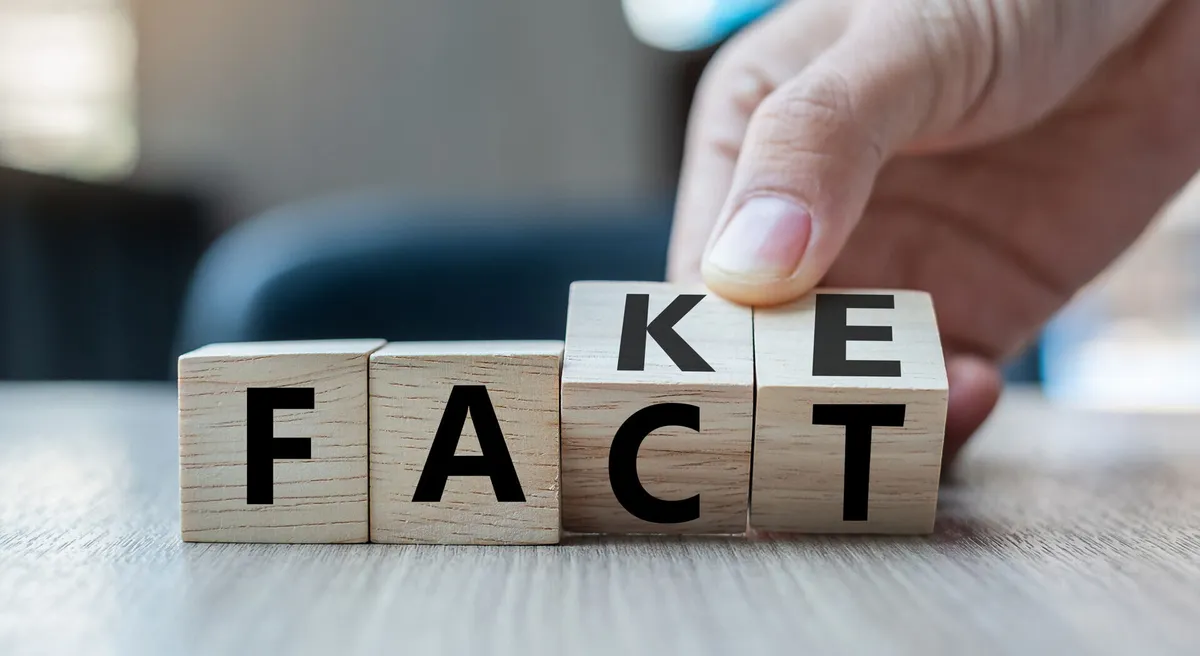
Simultaneously, the urgency of addressing AI-generated misinformation has escalated. Recent data reveals a staggering 57.3 percent increase in AI-generated misinformation on mainstream websites and a shocking 474 percent surge on misinformation websites over the past year. This alarming trend underscores the need for educational institutions to not only teach students about AI technologies but also to instill a sense of responsibility regarding their societal impacts.
Virginia Tech recently hosted a discussion featuring OpenAI’s ChatGPT developer, where the importance of critical thinking in AI development was a focal point. University President Tim Sands remarked, “It is our responsibility as a university to ask deeper questions. How do we ensure innovation benefits society?” This sentiment resonates with the objectives of the SFSU Student AI Awards, as both institutions seek to foster a generation of students who are not only skilled in AI but also aware of its ethical implications.
Experts in the field have noted that AI is transforming scientific research, with innovative uses of OpenAI’s GPT-5.2 being highlighted by speakers like Weil, who stated, “AI gives scientists superpowers. The models are getting really good.” This technological advancement, while promising, also raises concerns about the potential misuse of AI tools, particularly in the realm of misinformation.
The implications of these developments are profound for students, educators, and society at large. As students engage with AI through the SFSU awards, they are simultaneously confronted with the realities of misinformation. A recent study found that participants influenced by deepfake videos still believed the content was real, even after being informed it was fabricated. This illustrates the urgent need for educational programs that not only teach AI skills but also emphasize critical media literacy.
As the SFSU Student AI Awards aim to spotlight creativity and critical thinking among students, the backdrop of rising misinformation serves as a stark reminder of the challenges that lie ahead. William D. Downs Jr. succinctly warned, “Don’t believe anything you hear or anything you see,” highlighting the necessity for vigilance in an age where AI can easily distort reality.
In summary, the launch of the SFSU Student AI Awards represents a pivotal moment in the intersection of education and technology. As universities like SFSU and Virginia Tech advocate for critical thinking and ethical considerations in AI, the fight against misinformation becomes increasingly crucial. The future of AI will depend not only on technological advancements but also on the ethical frameworks that guide its development and application.
