How it unfolded
In late October, a wildlife camera was installed by the police in a tree on a vacant lot adjacent to Stephanie Santos’s home in Platte City, Missouri. This camera was designed to capture time-lapse images from 7 a.m. to 7:30 p.m. over a span of three days. The decision to place the camera stemmed from prior issues involving Santos’s father, who had been feeding wild cats in the area, prompting the city’s action.
As the camera began its surveillance, it quickly became apparent that the intrusion into Santos’s family’s privacy was significant. The city officials, acknowledging the breach, stated, “this action on our part leads to distrust of government at all levels and I am committed to taking steps to rebuild that trust with you and your family,” reflecting the growing concern among residents regarding surveillance practices.
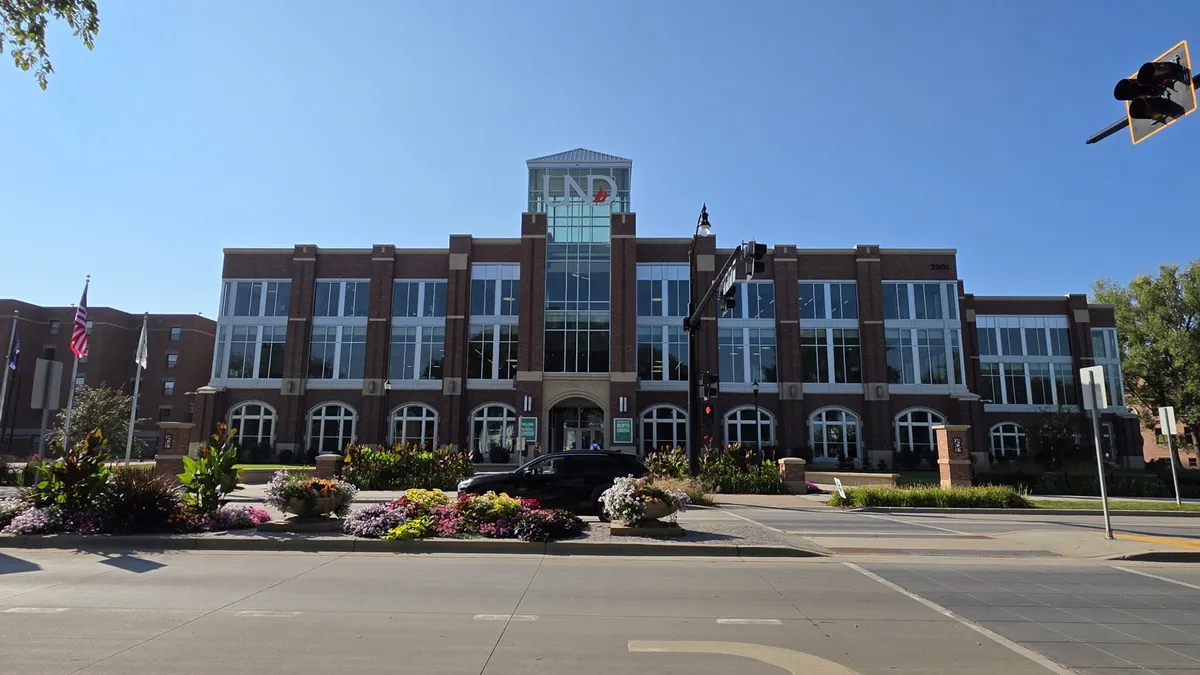
Meanwhile, the University of North Dakota Police Department was also making headlines with its own camera system upgrade. The department implemented a new camera system costing approximately $1.5 to $1.8 million, which includes both indoor and outdoor cameras in public spaces. This upgrade aims to enhance campus security and assist in investigations, with Rodney Clark, a police representative, noting that “the camera quality we have now is like watching TV.”
Clark emphasized the importance of these cameras in modern policing, stating, “You still have to do the police work and ask questions, take reports, but it’s a great place to start when you have nothing.” This sentiment highlights the reliance on technology in law enforcement, especially in an era where public safety is a top priority.
However, not all camera installations have been welcomed. Just four days after a CCTV camera was installed in Walsall, an arson attack targeted the device, raising questions about the effectiveness and safety of such surveillance measures. This incident underscores the potential backlash against increased surveillance in public spaces.
As the debate over privacy versus security continues, the implications of these camera installations are becoming increasingly clear. For residents like Santos, the presence of a camera focused on their home is a stark reminder of the fine line between community safety and personal privacy. The city’s admission of intrusion may lead to further discussions on the ethics of surveillance.
Currently, the situation remains tense in Platte City as residents grapple with the implications of surveillance technology in their neighborhoods. The ACLU of Michigan and the ACLU of Kansas and Western Missouri are likely to take interest in this case, advocating for the protection of individual privacy rights amidst growing surveillance practices.
As communities navigate these complex issues, the balance between security and privacy will be crucial in shaping future policies. The ongoing developments in Platte City serve as a critical case study in the evolving landscape of surveillance and individual rights.
