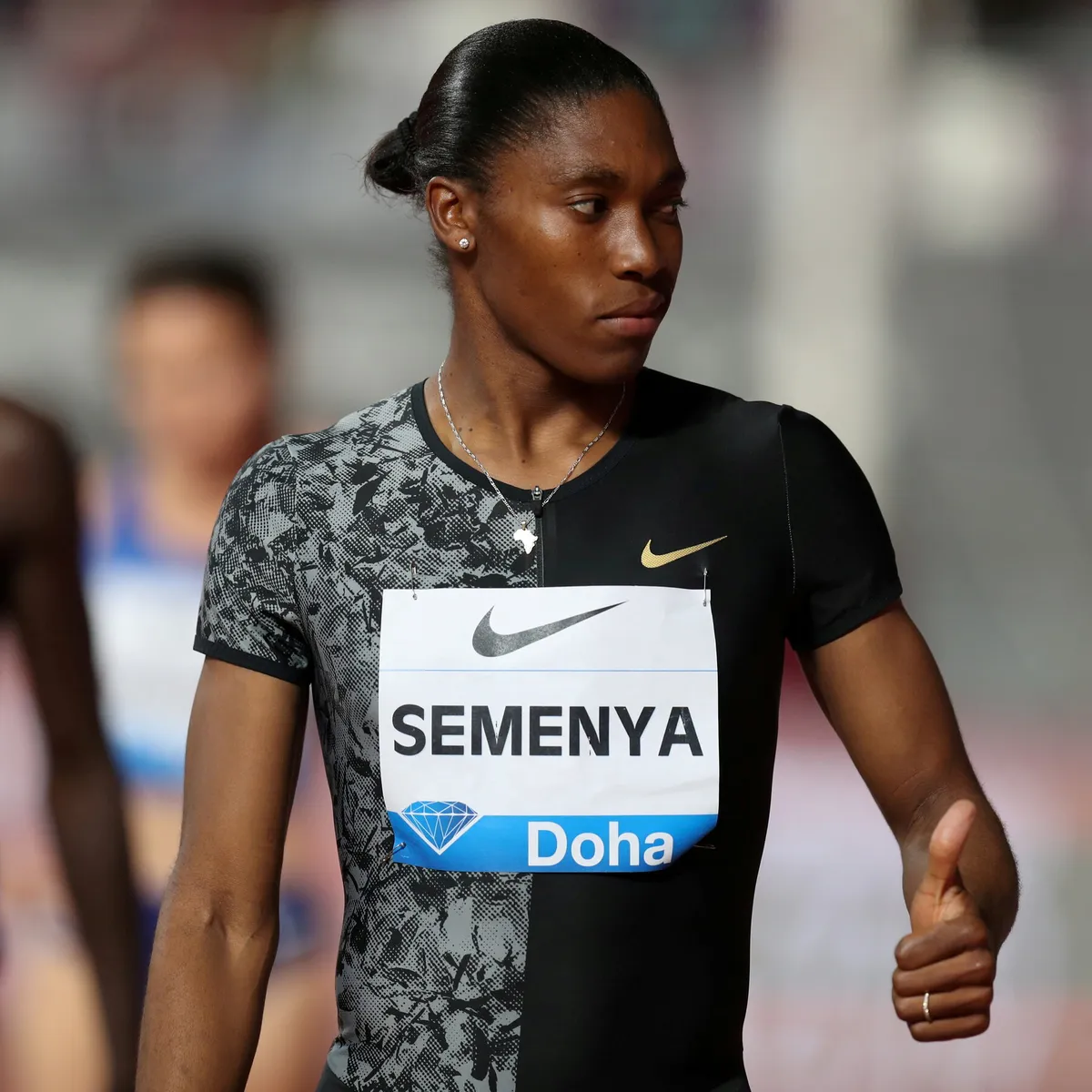
Caster Semenya, a two-time Olympic 800m champion from South Africa, has long been at the forefront of the debate surrounding gender and athletics. Until recently, there was a sense of hope that her legal challenges against hormone level regulations might lead to a more inclusive environment for athletes with differences in sex development (DSD). However, the landscape shifted dramatically with the International Olympic Committee’s (IOC) recent announcement.
On March 29, 2026, the IOC reinstated sex verification tests for the upcoming 2028 Los Angeles Games, a move that has sent shockwaves through the athletic community. This new policy limits eligibility for female events to biological females based on SRY gene screening, a stark contrast to the previous approach that had been abandoned in 1999 due to scientific pressure.
The immediate effects of this decision are profound. Semenya, who has been banned from competing in her favorite race since 2019 due to hormone level regulations, expressed her disappointment, particularly with Kirsty Coventry’s leadership. “If the IOC had truly listened — if [IOC] President [Kirsty] Coventry had done what evidence-based policy demands — this policy would not exist,” she stated, highlighting the disconnect between the IOC’s actions and the needs of female athletes.
Moreover, the IOC’s decision aligns with broader political trends, echoing the Trump administration’s policy goals regarding transgender athletes. This has raised concerns about the implications for athletes like Semenya, who have faced ongoing scrutiny and exclusion from competition.
Experts and advocates have voiced their discontent, with Semenya describing the policy as “a disrespect for women” and stating, “It smells of stigma.” The repercussions extend beyond Semenya, affecting all transgender athletes and those with DSD, who now face increased barriers to participation.
As the IOC’s new policy unfolds, the absence of transgender women at the 2024 Paris Summer Games serves as a precursor to the potential impact of these regulations. Semenya’s journey, marked by resilience and advocacy, now faces an uncertain future amid these stringent new rules.
Details remain unconfirmed regarding how these changes will be implemented and their long-term effects on the sporting landscape. However, the urgency of the situation cannot be overstated, as Semenya and others continue to navigate the complexities of identity and competition in athletics.
