The wider picture
The Strait of Hormuz has been a point of contention due to regional tensions involving Iran and other countries. This vital waterway carries around one-fifth of the world’s oil, making it a critical artery for global energy supplies. The ongoing disputes have heightened the urgency for international measures to ensure safe navigation through the strait.
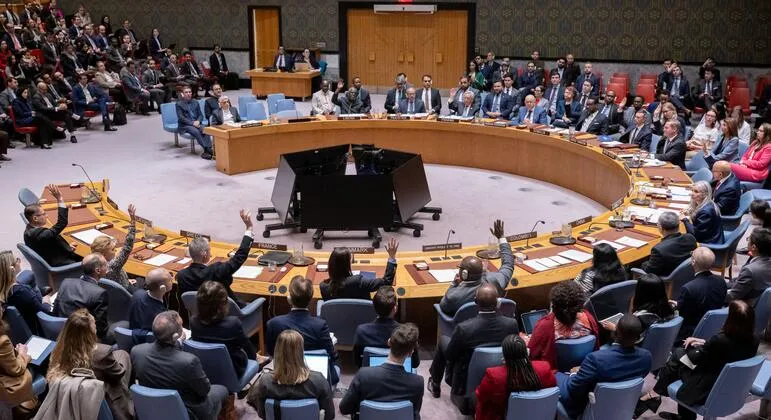
In a significant development, China and Russia vetoed a UN Security Council resolution on April 11, 2026, that aimed to reopen the Strait of Hormuz. The resolution, which received 11 votes in favor, was drafted by Bahrain in coordination with Gulf Cooperation Council member states. It sought to encourage states to ensure the safety and security of navigation in the strait and demanded that Iran cease all attacks on shipping.
Bahrain’s Foreign Minister Abdullatif bin Rashid Al Zayani expressed regret over the veto, stating, “Failing to adopt this resolution sends the wrong signal to the world.” His comments reflect concerns that the veto undermines international efforts to stabilize the region and protect vital shipping routes.
The resolution was heavily watered down amid opposition from veto-wielding countries. The initial version had authorized the use of force, which was later removed to gain broader support. However, the last-minute veto from China and Russia has left many observers questioning the future of navigational freedom in the strait.
Russia’s envoy Vasily Nebenzya criticized the resolution, asserting, “The adoption of such a one-sided resolution would undermine any prospect for the resumption of negotiations.” This statement underscores the complexities of the geopolitical landscape, where competing interests often clash in high-stakes environments.
U.S. Ambassador Mike Waltz reacted strongly to the veto, stating, “No one should tolerate that they are holding the global economy at gunpoint, but today, Russia and China did tolerate.” His remarks highlight the U.S. position that Iran’s actions pose a significant threat to international trade and security.
As tensions mount, the White House press secretary Karoline Leavitt emphasized the urgency of the situation, stating, “The Iranian regime has until 8 p.m. Eastern Time to meet the moment and make a deal with the United States.” This ultimatum reflects the high stakes involved and the potential for further escalation if diplomatic solutions are not reached.
The vetoed resolution was intended as a step toward ensuring navigational freedom in the Strait of Hormuz, a goal that remains elusive amid ongoing regional hostilities. Observers are now left to speculate on the implications of this veto and what it means for future negotiations and stability in the region.
