The downing of a U.S. Air Force F-15E over Iranian territory has triggered a significant military response, showcasing the complexities of modern warfare. The incident, which left the Weapons Systems Officer (WSO) unaccounted for for nearly 48 hours, underscores the high stakes involved in such operations.
During this critical period, the airman relied on SERE (Survival, Evasion, Resistance, and Escape) doctrine to evade capture, establishing a hide site based on the BLISS principle: Blend, Low silhouette, Irregular shape, Small, and Secluded. This strategic evasion was pivotal in the subsequent rescue efforts.
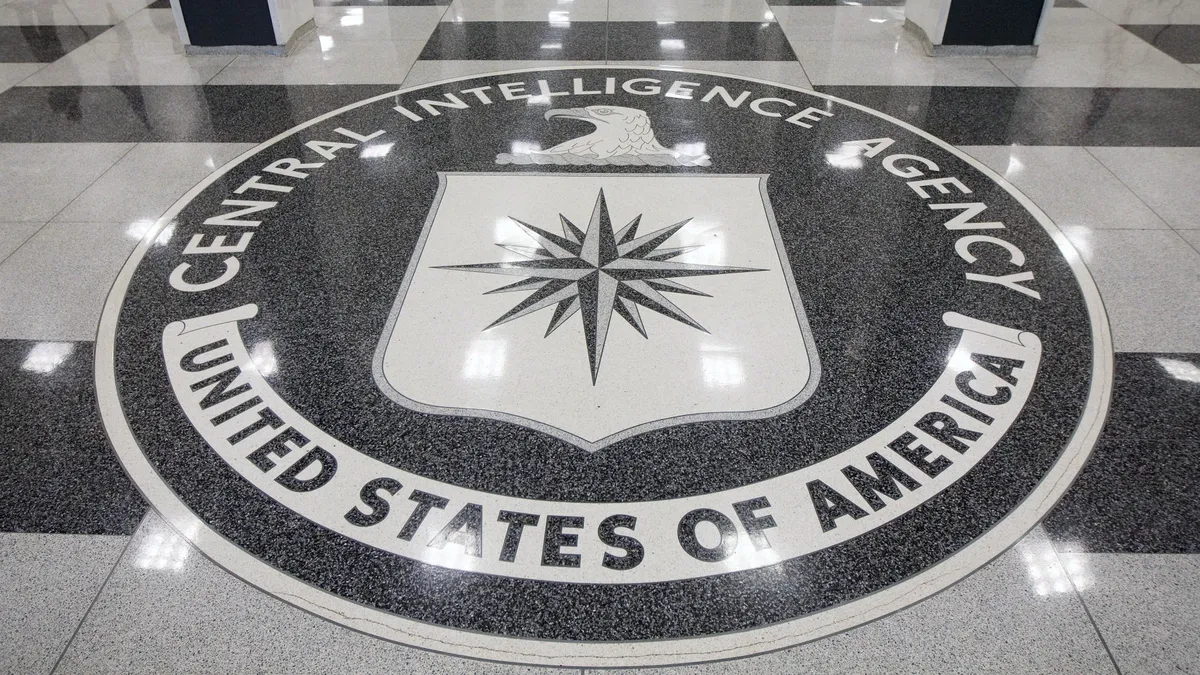
The CIA played a crucial role by initiating a deception campaign aimed at misleading Iranian forces during the extraction operation. CIA director John Ratcliffe confirmed that this campaign was essential in ensuring the safety of the airman and the success of the mission.
The extraction involved elite special operations teams and dozens of aircraft, operating under a tight 36-hour window to secure the airman. Despite the challenges, including a U.S. C-130 Hercules becoming mired in mud, the operation was completed without a single American casualty.
To prevent Iranian forces from accessing sensitive equipment, the stranded F-15E was destroyed. This decisive action reflects the lengths to which the U.S. military is willing to go to protect its assets and personnel.
The operation not only highlights the importance of human resilience in modern warfare but also raises questions about the evolving nature of military engagements. As the situation develops, further details remain unconfirmed, and the implications of this incident may continue to unfold in the coming days.
