How it unfolded
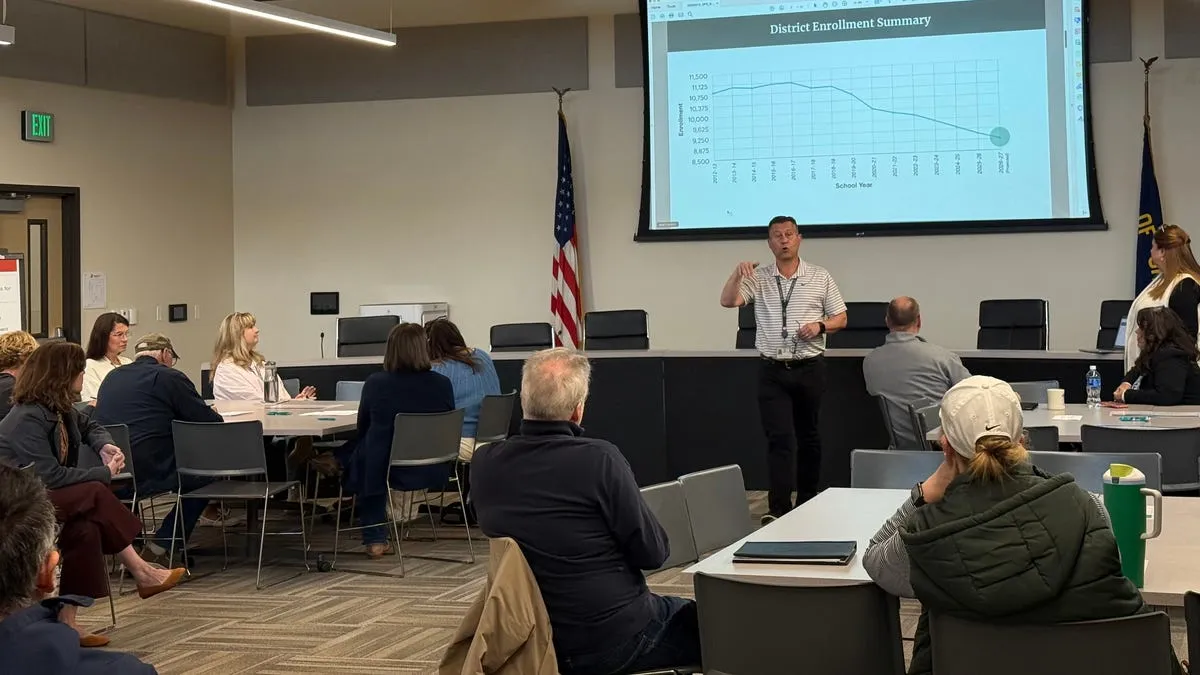
As of March 31, 2026, Springfield Public Schools is navigating a budget deficit that has seen a slight reduction from $10.4 million to $7.9 million. This change comes amid a backdrop of declining student enrollment, which has dropped by more than 2,000 students since the 2016-17 school year, and increasing operational costs.
In response to these financial pressures, Springfield Public Schools has implemented a hiring freeze and reallocated capital funds to address the deficit. The district is also engaging the community by holding four forums aimed at gathering feedback on budget priorities. Brett Yancey, the chief operations officer for Springfield Public Schools, stated, “The district is holding four community forums to get feedback and find out priorities.” The first of these forums took place on March 30, 2026.
Despite these efforts, the financial outlook remains challenging. The district anticipates spending down approximately $6.7 million of its reserves this year, which would leave them with about $14.2 million after the expenditures. This situation is compounded by the fact that 79% of the district’s general fund, which totals approximately $150 million, is allocated toward employee compensation.
In January, the district took the difficult step of laying off 27 licensed employees due to the budget shortfall. Yancey noted that further staff reductions are likely, emphasizing the strain on resources: “It’s likely more staff reductions will come, as Yancey pointed out that 79% of the district’s general fund goes toward compensation.” This ongoing financial strain raises concerns about the quality of education and support available to students.
Meanwhile, neighboring districts are also grappling with their own financial difficulties. The Eugene School District 4J is facing a staggering shortfall of up to $50 million, while the Bethel School District operates on a $1.8 million deficit and has made the decision to close Shasta Middle School as a cost-saving measure.
The budget shortfall for Springfield Public Schools represents about 5% of its general fund budget, highlighting the significant impact of declining enrollment and rising costs on the district’s financial stability. The situation underscores a broader trend affecting educational institutions across the region, as they struggle to balance budgets in the face of similar challenges.
As Springfield Public Schools continues to seek solutions to its budget deficit, the outcomes of the community forums and potential future decisions will be critical in shaping the district’s financial future and its ability to provide quality education to its students.
