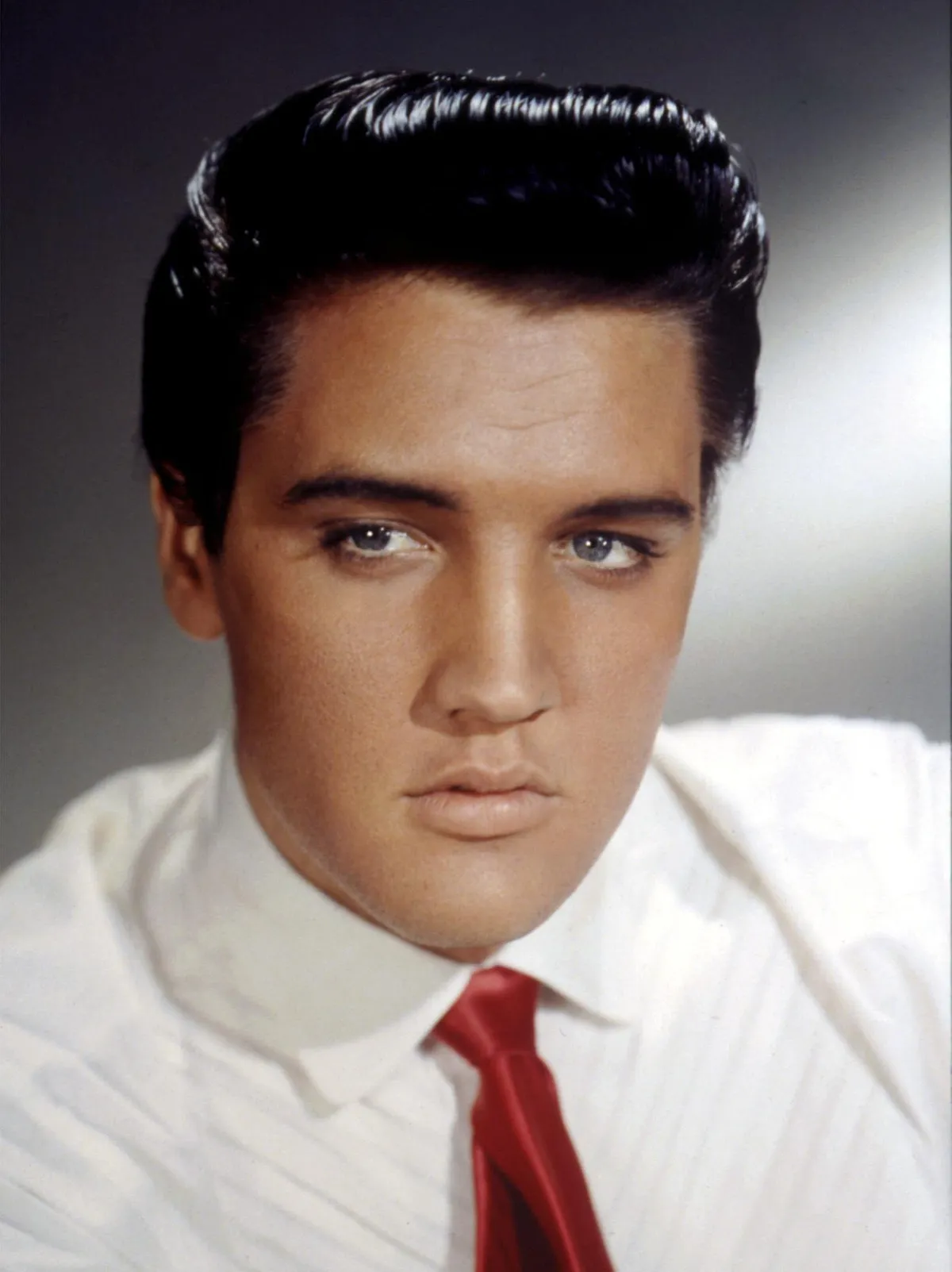
What does Donald Trump’s recent visit to Graceland signify for the legacy of Elvis Presley? This visit on March 23, 2026, underscores the enduring impact of the King of Rock and Roll, who passed away in 1977 at the age of 42.
During his visit, Trump declared, “He’s the most famous person on the planet,” highlighting Presley’s global influence. Graceland, located in Memphis, Tennessee, is America’s second most-visited house after the White House, attracting around 600,000 visitors annually.
Trump’s connection to Elvis is not new; he has previously played Elvis’s music at his campaign rallies and awarded Presley the Presidential Medal of Freedom in 2018. This visit marks Trump as the second U.S. president to tour Graceland while in office, following George W. Bush’s visit in 2006.
Graceland opened as a museum in 1982, and during Trump’s visit, the site was closed to regular visitors. He signed a guitar that was a replica used by Presley during his iconic ‘Aloha From Hawaii’ concert in 1973, further solidifying the connection between the two figures.
Angie Marchese, a representative from Graceland, remarked, “This was his home, no matter where he lived, he always came back to Memphis,” emphasizing the deep ties Presley had with the city.
As the world reflects on Elvis’s legacy, questions arise about how such visits influence public perception of cultural icons. While Trump’s admiration for Elvis is evident, the broader implications of this visit on Presley’s enduring popularity remain to be seen.
Details remain unconfirmed regarding any future events planned at Graceland in light of this visit, but the intersection of politics and music continues to draw attention.
