The wider picture
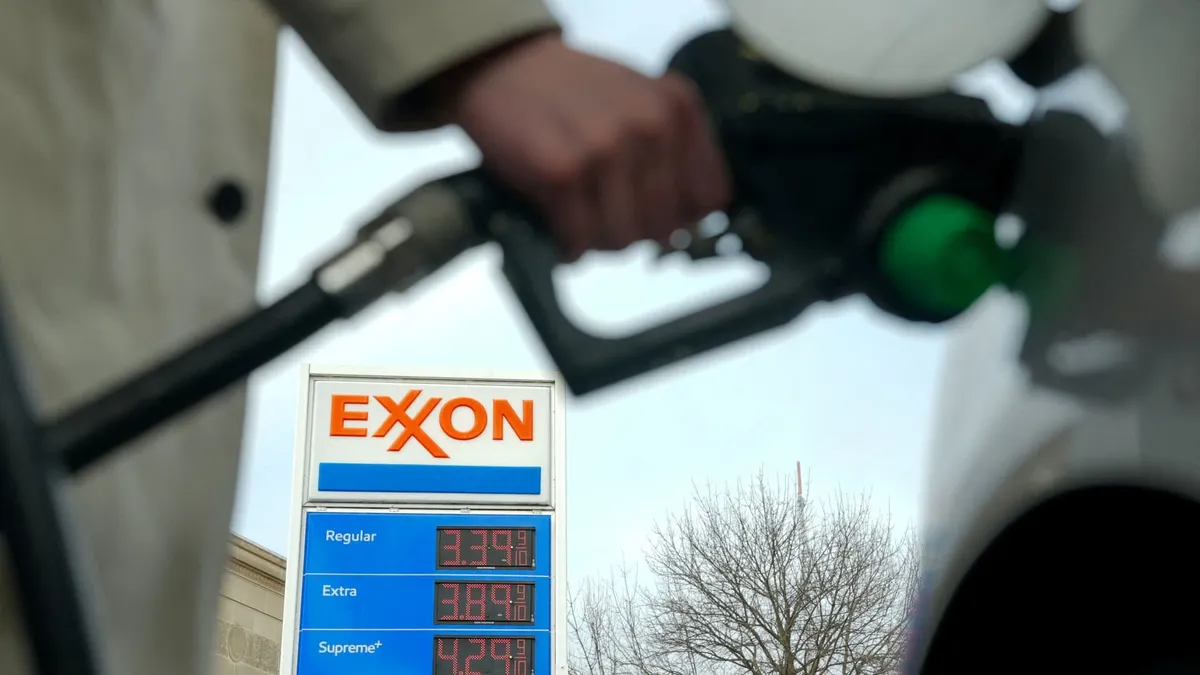
The Strait of Hormuz is the most important sea route for oil exports in the world. As tensions in the Middle East escalate, particularly following the U.S. and Israel’s military actions against Iran, the repercussions are being felt across the globe. U.S. gasoline prices have surged above $4 per gallon for the first time in more than three years, hitting a nationwide average of $4.018, the highest level since August 2022.
This dramatic increase in fuel costs comes as prices at the pump have soared more than 30% since late February, when the conflict began. The average monthly gas price for March is projected to be 25% higher compared to February, reflecting the immediate impact of geopolitical instability on everyday Americans.
Diesel prices have also crossed the $5 per gallon mark as of March 17, marking an increase of over 40% since before the conflict. This rise in fuel costs is not just a burden for consumers at the pump; it has broader implications for the economy, as transportation costs for goods and services are expected to rise.
Americans have collectively spent an additional $8 billion on gasoline since the onset of the Iran war, a stark indicator of how quickly fuel prices can escalate in response to international events. Oil prices have surged more than 50% since the conflict began, further straining household budgets and contributing to inflationary pressures.
In response to the rising prices, the Environmental Protection Agency (EPA) is temporarily lifting some regulations to increase gas supplies. This move aims to alleviate some of the pressure on consumers and businesses alike, but it remains to be seen how effective these measures will be in stabilizing prices.
Key figures have begun to voice their concerns about the situation. Lee Zeldin warned, “We foresee potential for a disruption to the American fuel supply,” while Patrick De Haan remarked, “This is really quickly going to ignite additional inflation.” Andy Lipow added, “The consumer has already seen the sticker shock from rising gasoline prices and increased airline ticket prices from the rising cost of jet fuel.” JD Vance acknowledged the seriousness of the situation, stating, “We’ve got a problem, we know we have a problem, and we’re doing everything we can to address it.”
As the situation unfolds, observers are closely monitoring the potential for further disruptions in the fuel supply chain. With the conflict showing no signs of abating, the future of gasoline prices remains uncertain, and consumers may need to brace for continued volatility at the pump.
