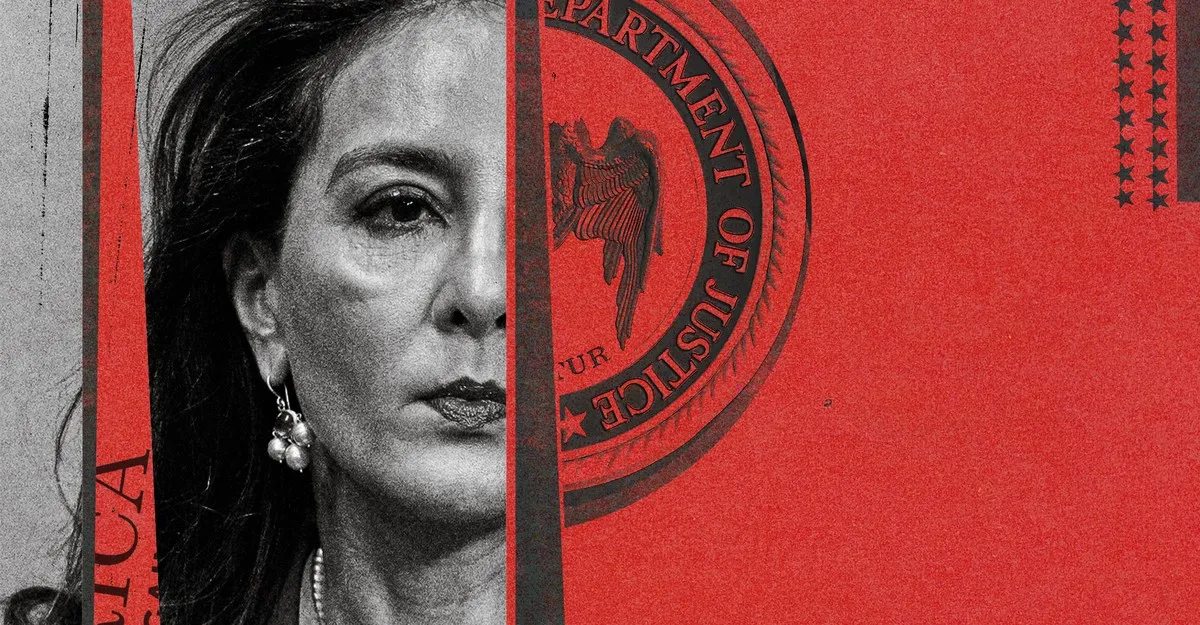
The Civil Rights Division has historically been responsible for protecting and defending individuals in positions of powerlessness. However, under the leadership of Harmeet Dhillon, the division has undergone a significant transformation that has sparked both criticism and concern. Dhillon, who serves as the Assistant Attorney General for Civil Rights, has been reshaping the division since her appointment during the Trump administration, leading to a notable exodus of staff.
As of January 2025, nearly 400 of the 700 staff members in the Civil Rights Division had left, with 76 percent of employees in leadership roles departing. This mass departure raises questions about the division’s future effectiveness in enforcing civil rights laws across the United States. Dhillon has publicly stated, “Under President Trump’s leadership, we have a generational opportunity for a reformation,” indicating her intent to implement lasting changes.
Critics argue that Dhillon’s approach has prioritized political ideology over the enforcement of civil rights laws. She has been quoted saying, “The job here is to enforce the federal civil-rights laws, not woke ideology,” reflecting her vision for the division. However, this vision has been met with resistance from former staff and civil rights advocates who fear that the division’s core mission is being compromised.
In a recent development, the Department of Justice opened an investigation into an alleged assault against journalist Savanah Hernandez during a protest. The incident has drawn attention to the division’s role in protecting journalists and upholding civil rights during demonstrations. Three individuals were arrested for the assault, while a fourth was apprehended for obstruction against a deputy officer.
Dhillon confirmed the FBI’s involvement in the investigation by retweeting a post about it, signaling her acknowledgment of the seriousness of the situation. This incident comes at a time when the division’s credibility is already under scrutiny due to the significant staff turnover and the controversial decisions made under Dhillon’s leadership.
In addition to the investigation, Dhillon’s tenure has seen the termination of a settlement aimed at improving sanitation in Lowndes County, Alabama, further fueling criticism of her management style. Observers are concerned that these actions may undermine the division’s ability to address pressing civil rights issues effectively.
Looking ahead, the future of the Civil Rights Division remains uncertain as it grapples with the fallout from Dhillon’s leadership. With a substantial percentage of the division’s lawyers expected to be gone by May 2025, the capacity for the division to fulfill its mandate is in jeopardy. As the investigation into the protest incident unfolds, it will be crucial to see how Dhillon and the DOJ respond to the mounting challenges.
As the situation develops, many are left wondering what the long-term implications will be for civil rights enforcement in the United States under Dhillon’s guidance. The ongoing changes within the Civil Rights Division could have lasting effects on its ability to protect vulnerable populations and uphold the law.
