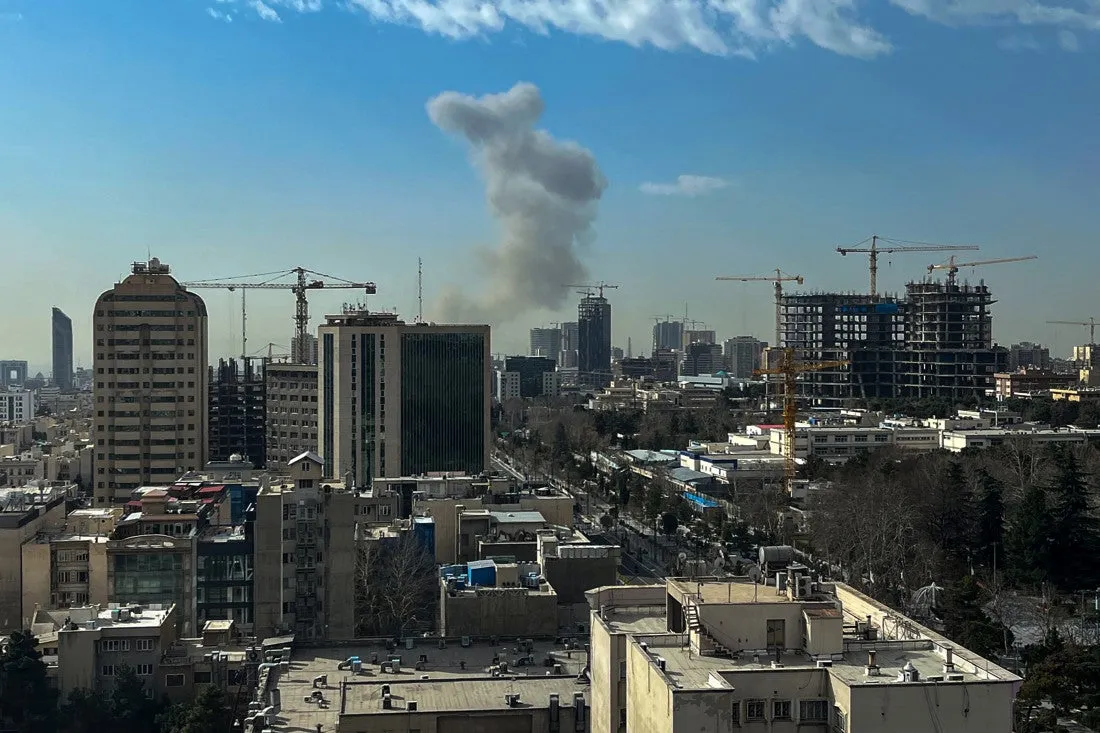
Reaction from the field
The recent Iran strikes have resulted in a dramatic escalation of military conflict in the region, with the United States and Israel launching coordinated operations against the Iranian regime on February 28, 2026. This operation, dubbed Epic Fury by the U.S. and Roaring Lion by Israel, has already led to significant casualties and heightened tensions.
Since the onset of hostilities, Iran has unleashed sustained waves of ballistic missiles and drones targeting Israeli population centers and U.S. military positions. Reports indicate that over 400 ballistic missiles have been fired by Iran toward Israel, resulting in at least 17 Israeli civilian deaths and over 4,000 injuries due to missile strikes. The scale of the attacks underscores the severe threat posed by the Iranian regime.
In retaliation, the U.S. Central Command has reported striking more than 9,000 targets, including over 140 Iranian vessels that have been damaged or destroyed. The military operations aim to dismantle the imminent threats posed by Iran, as articulated by U.S. President Donald Trump, who stated, “the United States military began major combat operations in Iran to defend the American people by eliminating imminent threats from the Iranian regime.”
Israeli Prime Minister Benjamin Netanyahu echoed this sentiment, asserting that Israel acted to eliminate the existential threat posed by Iran. The conflict has also seen Iranian strikes targeting energy infrastructure in Gulf countries, including oil facilities in the UAE and Saudi Arabia, further complicating the regional dynamics.
The situation has taken a dramatic turn with the death of Ali Khamenei, Iran’s Supreme Leader, in strikes on Tehran. Following his death, Mojtaba Khamenei has been appointed as Iran’s new supreme leader, raising questions about the future direction of Iranian policy and military strategy.
Despite the intensity of the conflict, Iran’s ability to sustain missile attacks appears to be waning, with ballistic missile launch rates declining by approximately 90% from their peak levels. This decline may indicate a shift in the balance of power, but the situation remains fluid as Hezbollah has intensified its attacks on Israel, launching rockets and missiles from southern Lebanon.
As the conflict continues to unfold, the potential for further escalation remains high. The American Jewish Committee has stated, “The world will be a safer place when the threat of the Iranian regime’s illicit nuclear and missile programs is dismantled once and for all.” Meanwhile, Mojtaba Khamenei has indicated that the Strait of Hormuz should remain closed and used as leverage against Iran’s adversaries, emphasizing the ongoing volatility in the region. Details remain unconfirmed regarding the full extent of the military operations and their long-term implications for regional stability.
