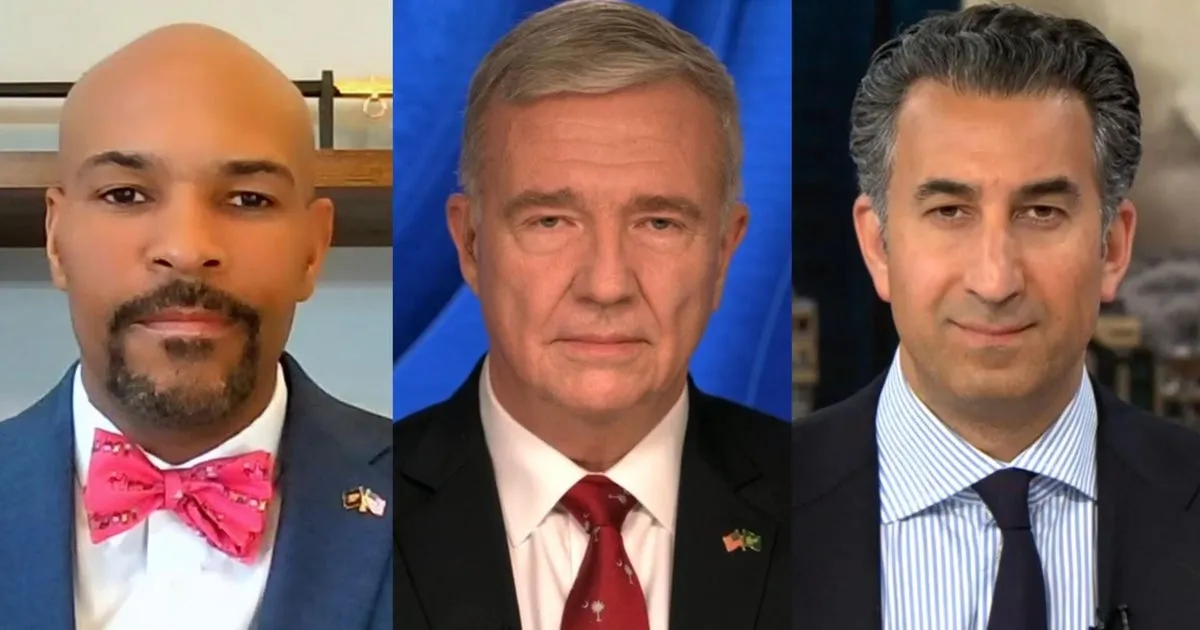
Jerome Adams, the former U.S. Surgeon General, has raised significant concerns regarding Casey Means’ qualifications for the Surgeon General role, stating that she does not meet the basic requirements for the position. In a recent article published in The Washington Post, Adams emphasized the importance of adhering to established standards, noting, “The role of surgeon general has centuries of precedent and requirements, and she doesn’t meet them.”
Adams pointed out that if confirmed, Means would not be a member of the physicians corps, a critical aspect of the role. He described his objections to her appointment as operational rather than personal, highlighting the need for qualified individuals in such pivotal health positions.
Further emphasizing the gravity of his concerns, Adams remarked on the potential irony of having the nation’s doctor not actually being a doctor. “The irony would be the nation’s doctor wouldn’t even be in the corps as a doctor,” he stated, underscoring the historical significance of the Surgeon General’s qualifications.
Adams also criticized the ad hominem attacks directed at him by Means’ brother, calling for a more respectful discourse. “We can and should have vigorous debates about how to improve America’s health. But lowering the discourse to crass ad hominem attacks comes across as childish and defensive,” he asserted.
In contrast, Adams expressed support for Janette Nesheiwat, stating, “I thought [Nesheiwat] was sufficiently qualified for the role.” His comments reflect a broader concern about the qualifications of individuals in key health roles, especially during a time when public health is under intense scrutiny.
Adams served as the U.S. Surgeon General under President Donald Trump, a position that has historically required a strong medical background and public health expertise. His recent comments have reignited discussions about the qualifications necessary for such a critical role in the government.
As the debate continues, observers are keen to see how the confirmation process for Means will unfold and whether Adams’ criticisms will influence the outcome. Details remain unconfirmed regarding the next steps in this contentious appointment process.
