Who is involved
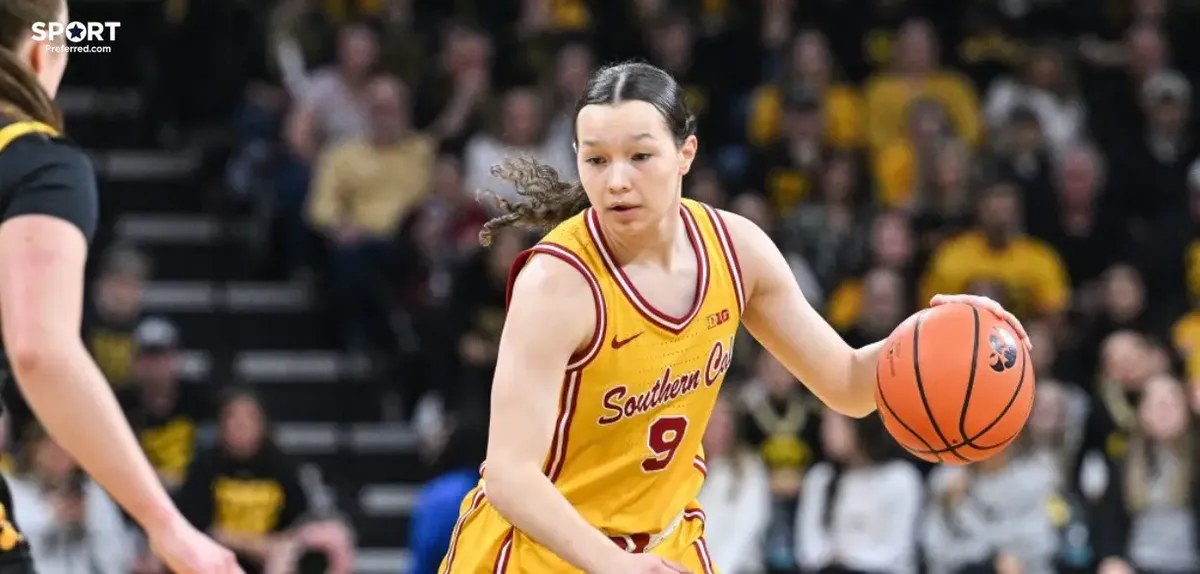
Before April 4, 2026, expectations for Kayleigh Heckel were already high. Having transferred to the University of Connecticut (UConn) from USC, she was anticipated to be a pivotal player for the UConn women’s basketball team. Heckel’s impressive academic record, with a cumulative GPA of 3.967, set her apart as a student-athlete. However, her performance on the court was equally scrutinized, as she averaged 6.9 points and 2.8 assists per game during the season.
The decisive moment came when Heckel was awarded the NCAA Elite Scholar-Athlete Award, a prestigious recognition established in 2009 that honors the student-athlete with the highest GPA at NCAA championship finals. This accolade not only highlighted her academic excellence but also marked her as the second UConn player to receive this award, following the legendary Maya Moore in 2011. This recognition came after a season where UConn’s women’s basketball team had an impressive winning streak of 54 games before facing a tough loss to South Carolina in the Final Four.
The immediate impact of this award was profound for Heckel and her teammates. Azzi Fudd, a fellow player, expressed surprise at the depth of Heckel’s intelligence, stating, “I didn’t, like I knew, we all know she’s smart, but I didn’t realize she was that smart.” This acknowledgment from her peers reflects the high regard in which she is held, both academically and athletically. Heckel’s ability to balance rigorous academics with the demands of being a collegiate athlete serves as an inspiration to her teammates.
Heckel’s journey at UConn has been marked by significant contributions on the court. Her role as a guard was crucial, especially during key moments, such as scoring an important basket against Notre Dame. Despite the team’s eventual loss to South Carolina, which ended their undefeated season, her performance throughout the year was commendable. The loss was a stark contrast to the expectations set at the beginning of the season, where UConn aimed for a perfect record.
Experts have noted that Heckel’s presence on the team was exactly what UConn needed at the point guard position. Rebecca Lobo, a former UConn star, praised her defensive efforts and calm decision-making under pressure. This endorsement from a basketball legend underscores the importance of Heckel’s contributions to the team’s dynamics and overall performance.
Heckel herself acknowledged the challenges of balancing her studies with athletics, stating, “I mean, it’s tough… we have some really good professors who kind of work with us and kind of help us out when it comes to deadlines and stuff.” This sentiment resonates with many student-athletes who strive to excel in both academics and sports, often facing immense pressure to perform in both arenas.
As the UConn women’s basketball team looks to the future, the legacy of Kayleigh Heckel’s achievements will undoubtedly serve as a motivating factor. Her ability to excel in both academics and athletics sets a standard for future generations of student-athletes. The contrast between the high expectations and the challenges faced during the season illustrates the complexities of collegiate sports, where triumphs and setbacks coexist.
Details remain unconfirmed regarding the long-term implications of Heckel’s award and its impact on her future career, but one thing is clear: her journey at UConn has been marked by significant achievements that will resonate within the collegiate sports community for years to come.
