How it unfolded
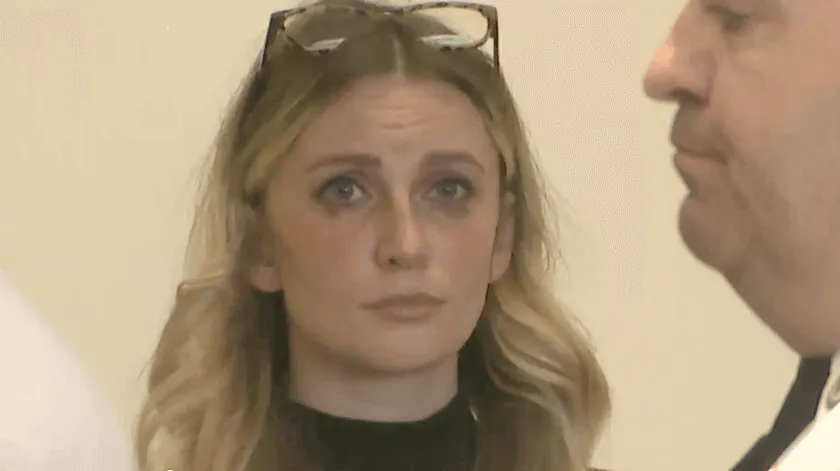
On June 30, 2025, Kelsey Fitzsimmons, a 29-year-old police officer from North Andover, was shot in the chest by fellow officer Pat Noonan while being served a restraining order filed by her then-fiancé. This shocking incident occurred during a tense moment when Fitzsimmons allegedly raised a gun, leading to Noonan’s immediate reaction of, “Kelsey, don’t do it.” Eyewitness Timothy Bradl recalled the harrowing moment, stating, “‘Kelsey, no. Kelsey, no.’ You don’t say that when you’re staring at the muzzle of a gun pointed at you.”
Following the incident, Fitzsimmons faced significant legal challenges. She was charged with one count of assault with a dangerous weapon and opted for a bench trial instead of a jury trial, a decision that her attorney Jennifer Roman noted would allow for a faster process. Fitzsimmons has pleaded not guilty to the charge against her, asserting that she intended to use the gun on herself due to a mental health crisis.
Fitzsimmons spent over 100 days in jail before her trial commenced, a period marked by significant physical and emotional turmoil. She underwent two surgeries and spent weeks in the hospital due to her injuries from the shooting. Currently, she remains suspended from her position as a police officer, adding to the strain of her situation.
The trial, which is set to unfold in Lawrence, Massachusetts, has drawn attention not only for the nature of the incident but also for the implications it holds for law enforcement and mental health awareness. The case raises critical questions about the responsibilities of police officers in crisis situations and the protocols in place for handling such incidents.
As the trial progresses, the prosecution is expected to focus on the claim that Fitzsimmons raised the gun towards Officer Noonan. Defense attorney James Gubitose emphasized, “The only credible evidence in this case will be that Kelsey Fitzsimmons raised the gun and pointed it at Officer Noonan.” This statement underscores the contentious nature of the trial and the differing narratives surrounding the events of that fateful day.
Fitzsimmons’ case is emblematic of broader issues within law enforcement, particularly concerning mental health and the pressures faced by officers. The incident has sparked discussions about the need for better support systems for officers experiencing mental health crises, as well as the protocols for serving restraining orders.
As of now, the trial is ongoing, and the outcome remains uncertain. Details remain unconfirmed regarding the specific timeline of the proceedings and the evidence that will be presented. The implications of this case extend beyond Fitzsimmons herself, touching on the integrity of police practices and the treatment of mental health within the force.
With the trial underway, all eyes are on the courtroom in Lawrence, where the fate of Kelsey Fitzsimmons hangs in the balance, and the repercussions of this incident will likely resonate throughout the community and beyond.
