The numbers
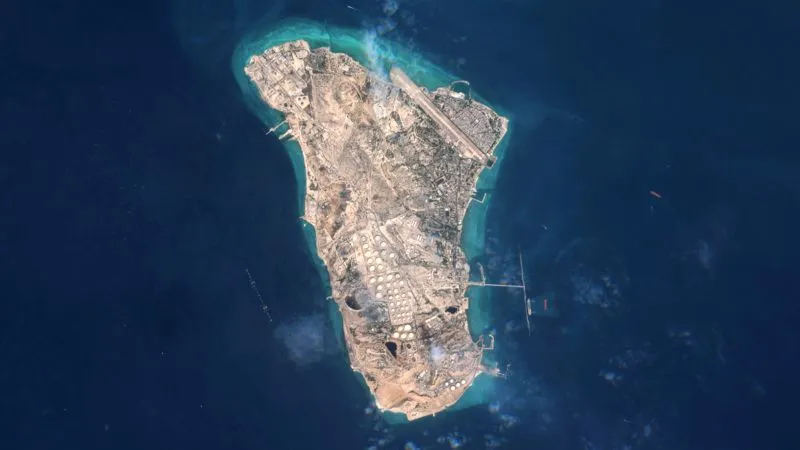
On April 7, 2026, the US military executed targeted strikes against military installations on Kharg Island, a critical hub for Iran’s oil exports, processing approximately 90% of the nation’s crude oil. This operation follows a previous assault in March, where the US targeted 90 sites, underscoring the strategic importance of this location.
Among the targets struck in the latest operation were Kharg Island’s air defenses, bunkers, a radar station, and ammunition storage facilities. The US military’s focus on these military sites reflects a broader strategy to weaken Iran’s operational capabilities in the region. According to reports, the storage capacity on Kharg Island is estimated at 30 million barrels, with 18 million barrels currently stored, making it vital to Iran’s economic stability.
Former President Donald Trump commented on the gravity of the situation, stating, “A whole civilization will die tonight, never to be brought back again.” This statement highlights the perceived existential threat posed by the ongoing military actions. Meanwhile, Iranian officials have voiced their concerns, with Mohammad Bagher Ghalibaf asserting that “Iran’s enemies, with the support of one of the regional countries, were preparing to occupy one of the country’s islands.” This rhetoric indicates a heightened sense of urgency and alarm within Iran’s leadership.
Despite the intensity of the strikes, reports indicate that Iran’s maritime infrastructure on Kharg Island has suffered little damage and continues to operate normally. This resilience raises questions about the effectiveness of the US military’s strategy and the potential for future engagements.
The Revolutionary Guard of Iran has vowed retaliation, stating, “We will do something with the infrastructure of America and its partners that will deprive America and its allies of oil and gas in the region for years.” Such threats suggest an escalation in hostilities, with both sides preparing for a protracted conflict.
Kharg Island has long been a cornerstone of Iran’s economy, serving as a critical site for oil distribution with deep waters that accommodate oil supertankers. The ongoing military actions threaten not only Iran’s economic well-being but also the stability of global oil markets, as disruptions in this region could have far-reaching implications.
As tensions continue to rise, observers are closely monitoring the situation. The potential for further military action remains high, and details surrounding the aftermath of the strikes remain unconfirmed. The international community is urged to pay attention to developments in this volatile region, as the stakes are higher than ever.
