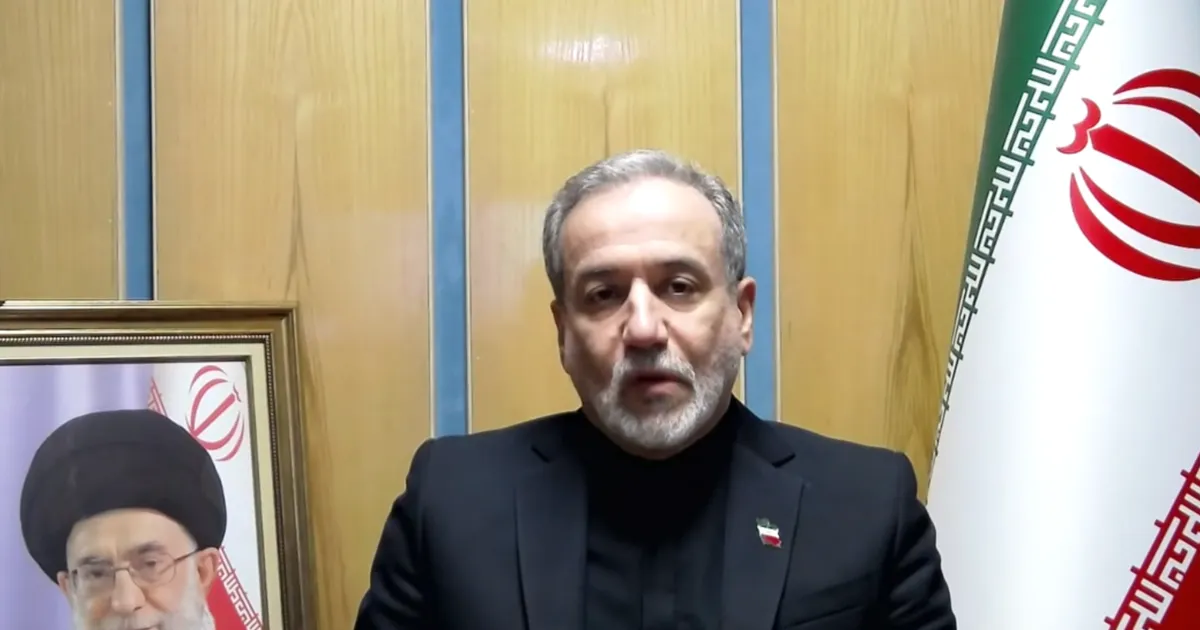
On March 15, 2026, Iranian Foreign Minister Abbas Araghchi appeared on ‘Face the Nation with Margaret Brennan’ to discuss the ongoing conflict involving U.S. military actions against Iran. The interview highlighted Iran’s position amidst escalating tensions and military engagements.
During the interview, Araghchi asserted that Iran has not requested a cease-fire, stating, “No, we never asked for a cease fire, and we have never asked even for negotiation.” This statement underscores Iran’s commitment to its military strategy in the face of U.S. actions.
Araghchi characterized the conflict as a “war of choice by President Trump and the United States,” emphasizing Iran’s readiness to defend itself. He noted, “This is a war of choice by President Trump and the United States, and we are going to continue our self defense.” This reflects Iran’s stance on its military operations and the perceived aggression from the U.S.
In terms of military capabilities, Araghchi revealed that Iran has declared it possesses 440 kilos of nuclear material. He also mentioned that Iran’s nuclear facilities had been attacked, and the materials are currently under rubble. However, he indicated that Iran has no current plans to recover the nuclear material from the debris.
Furthermore, the Iranian military has been actively targeting American assets and installations as part of its defense strategy. Araghchi stated, “We are only defending our people, from the you know, the- this, this act of aggression.” This statement highlights the ongoing military confrontations between the two nations.
Margaret Brennan also inquired about the status of Americans held in Iran, to which Araghchi responded with concerns about their safety, saying, “If they- if the U.S. and Israel do not attack our prisons. I guess they are safe.” This comment raises questions about the treatment of detainees amid the conflict.
Currently, there are at least four Americans reported to be held at Evin Prison, which adds a layer of complexity to the diplomatic situation. The U.S. administration estimates that the conflict could last approximately 3.5 weeks, with 13 U.S. casualties reported thus far.
As the situation unfolds, Iran has expressed openness to discussions regarding safe passage for vessels through the Strait of Hormuz, a critical maritime route for global oil supply. This willingness to negotiate on certain issues may indicate a potential avenue for future diplomatic engagement.
Overall, the interview with Margaret Brennan sheds light on Iran’s perspective in the ongoing conflict and the broader implications for international relations and security in the region.
