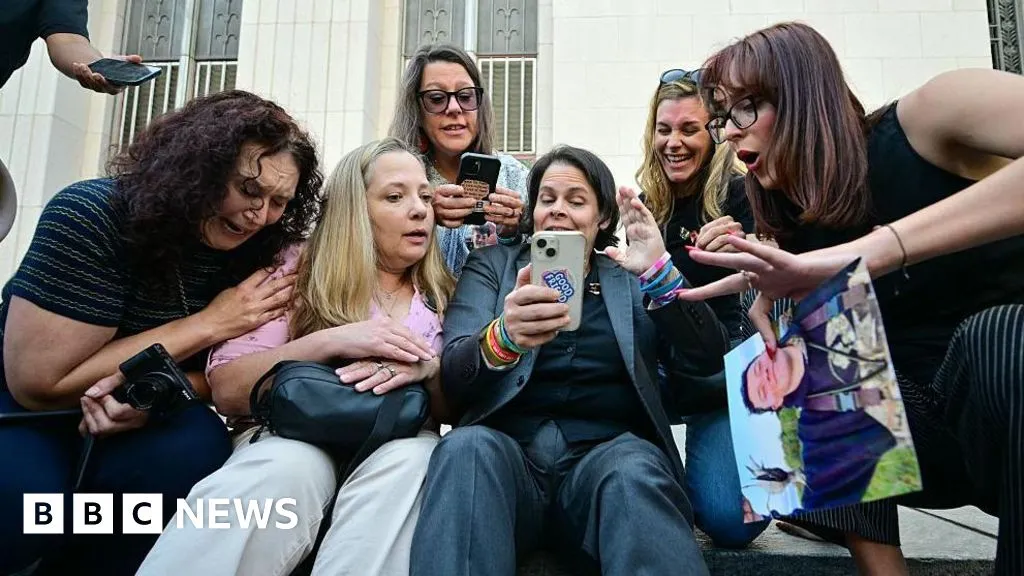
A jury in Los Angeles has found Meta and YouTube liable for negligence in a groundbreaking social media addiction trial, awarding the plaintiff, Kaley, a total of $6 million in damages. This includes $3 million in compensatory damages and $3 million in punitive damages.
The jury determined that Meta was responsible for 70% of the damages, while YouTube accounted for 30%. Kaley, who began using social media at the age of six, has reported experiencing significant depression and anxiety linked to her usage of these platforms.
The trial, which lasted over a month, featured testimony from addiction experts and high-profile executives, including Meta’s CEO Mark Zuckerberg. The case is considered a bellwether trial, potentially influencing thousands of similar lawsuits against social media companies.
Notably, TikTok and Snap were also named as defendants but settled before the trial commenced. The verdict marks a pivotal moment in the ongoing scrutiny of social media’s impact on youth mental health.
In response to the ruling, a Google spokesperson stated, “We disagree with the verdict and plan to appeal. This case misunderstands YouTube, which is a responsibly built streaming platform, not a social media site.” Meanwhile, a Meta spokesperson emphasized, “Teen mental health is profoundly complex and cannot be linked to a single app. We will continue to defend ourselves vigorously as every case is different, and we remain confident in our record of protecting teens online.”
Joseph VanZandt, co-lead lawyer for the plaintiff, remarked, “For years, social media companies have profited from targeting children while concealing their addictive and dangerous design features. Today’s verdict is a referendum — from a jury, to an entire industry — that accountability has arrived.” A juror, Victoria, added, “We wanted them to feel it. We wanted them to realize this was unacceptable.”
The outcome of this trial could have far-reaching implications, as it may pave the way for more legal actions against social media platforms regarding their influence on mental health.
