Reaction from the field
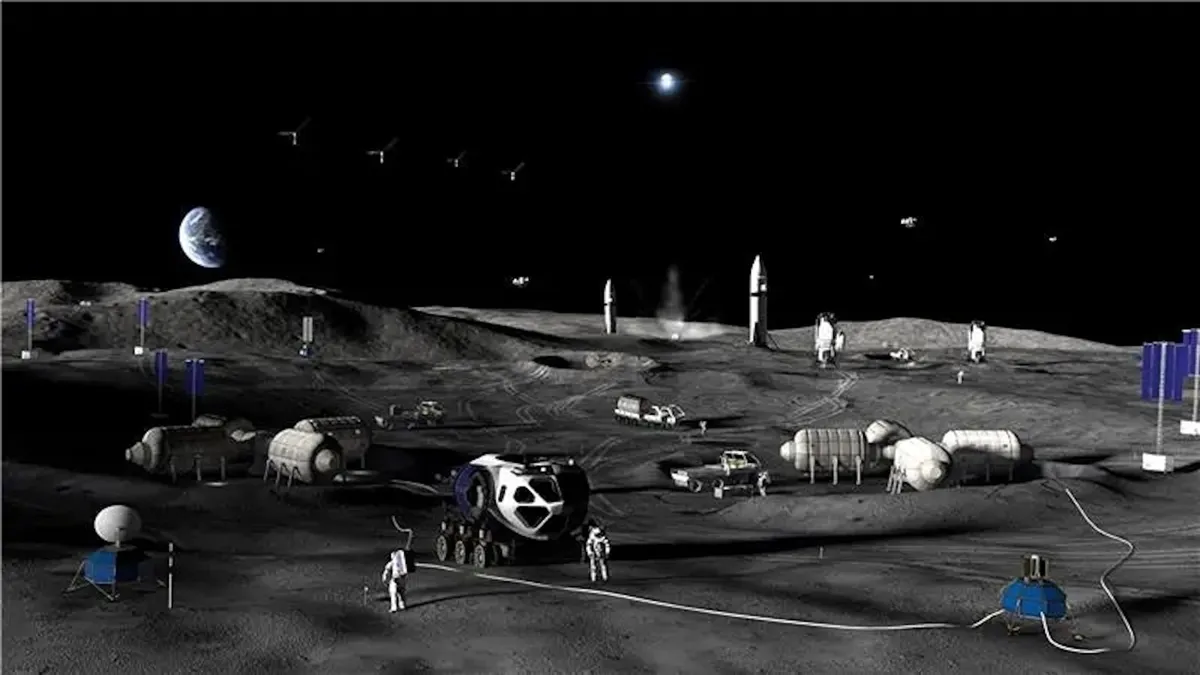
NASA’s ambitious plan to invest $20 billion in a permanent moon base has sent shockwaves through the space exploration community. This initiative is not just about returning to the moon; it represents a critical step in ensuring American leadership in space amid rising competition from nations like China.
The moon base will be developed in three phases: testing technology, building semi-habitable areas, and establishing a long-term presence. Jared Isaacman, a prominent figure in the space industry, emphasized the urgency of this project, stating, “The clock is running in this great-power competition, and success or failure will be measured in months, not years.” This underscores the stakes involved as nations race to establish their foothold beyond Earth.
NASA’s shift away from the Gateway space station plan to focus on the moon base marks a significant strategic pivot. The agency aims to land astronauts on the moon every six months after the Artemis V mission, which is slated for launch in 2028. This aggressive timeline reflects a renewed commitment to lunar exploration and the establishment of a sustainable human presence.
As part of this initiative, NASA plans to repurpose systems and hardware from the Gateway program, demonstrating a pragmatic approach to resource management. The Artemis program, which aims to return humans to the moon, is central to this vision, with the goal of achieving a permanent presence before the end of President Trump’s term in 2029.
In addition to NASA’s efforts, international collaboration will play a crucial role in the success of the moon base. Partnerships with organizations like the Japan Aerospace Exploration Agency (JAXA), the Italian Space Agency (ASI), and the Canadian Space Agency (CSA) are expected to enhance the capabilities and reach of the project. Furthermore, commercial partnerships with companies such as SpaceX and Blue Origin will be instrumental in executing the numerous missions required to build the base.
The development timeline for the moon base is projected to span seven years, with approximately 30 uncrewed landings planned in 2027 to lay the groundwork for future crewed missions. Isaacman noted, “We will invest approximately $20 billion over the next seven years and build it through dozens of missions, working together with commercial and international partners towards a deliberate and achievable plan.” This collaborative approach is expected to accelerate progress and innovation in lunar exploration.
As the world watches, the implications of this moon base extend beyond mere exploration. It could pave the way for advancements in technology, international cooperation, and even economic opportunities in space. However, details remain unconfirmed regarding the specific technologies and partnerships that will be utilized in this groundbreaking endeavor.
