Before the recent developments, the expectation was that military engagements would be conducted with full transparency among allies. The historical context of Pearl Harbor, where a surprise attack led to over 2,400 American deaths, loomed large in discussions about military strategy.
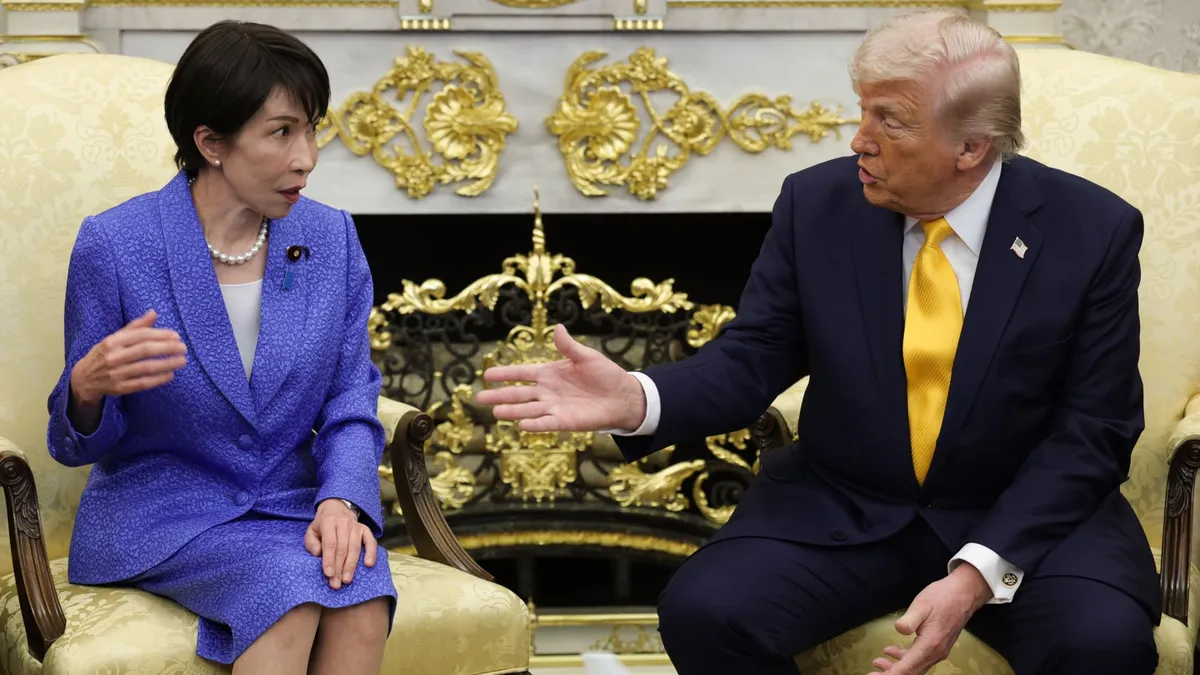
However, a decisive moment occurred during a meeting in Washington, DC, on March 19, 2026, when Donald Trump referenced Pearl Harbor while speaking with Japan’s Prime Minister Sanae Takaichi. Trump noted that the U.S. did not inform its allies about an attack on Iran to maintain the element of surprise.
Trump’s comments drew a stark contrast to Japan’s current military posture. Takaichi stated there were no plans to dispatch naval vessels to the Middle East, emphasizing Japan’s pacifist constitution that renounces war. This highlights a significant shift from the aggressive military strategies of the past.
In the immediate aftermath of the U.S. attack on Iran, reports indicated that approximately 50% of Iranian military capabilities were knocked out within the first two days. This rapid action raises questions about the implications of surprise tactics in modern warfare.
Experts suggest that Trump’s remarks reflect a broader trend in U.S. foreign policy, where maintaining surprise has become a strategic priority. “Who knows better about that? Why didn’t you tell me about Pearl Harbor? You believe in surprise much more so than I,” Trump remarked, drawing a direct line to the historical event.
In contrast, European allies Germany and France have publicly stated they will not participate in military actions related to the Iran conflict. This divergence in military strategy among allies underscores the complexities of international relations today.
As tensions rise, Boris Pistorius, a German official, stated, “This is not our war, we have not started it,” while Friedrich Merz added, “We have declared that as long as the war continues, we will not participate in ensuring freedom of navigation in the Strait of Hormuz, for example, by military means.” These statements reflect a cautious approach amidst escalating conflicts.
Details remain unconfirmed regarding the full impact of these developments on international relations, but the echoes of Pearl Harbor serve as a reminder of the delicate balance between surprise and collaboration in military strategy.
