Who is involved
Before the recent trade, Rafael Devers was a cornerstone player for the Boston Red Sox, known for his powerful hitting and defensive skills at third base. However, his future with the team became uncertain following the injury of Triston Casas, which led to the Red Sox’s request for Devers to switch positions. This request left Devers feeling unhappy, as he expressed reluctance to play any position other than designated hitter or third base.
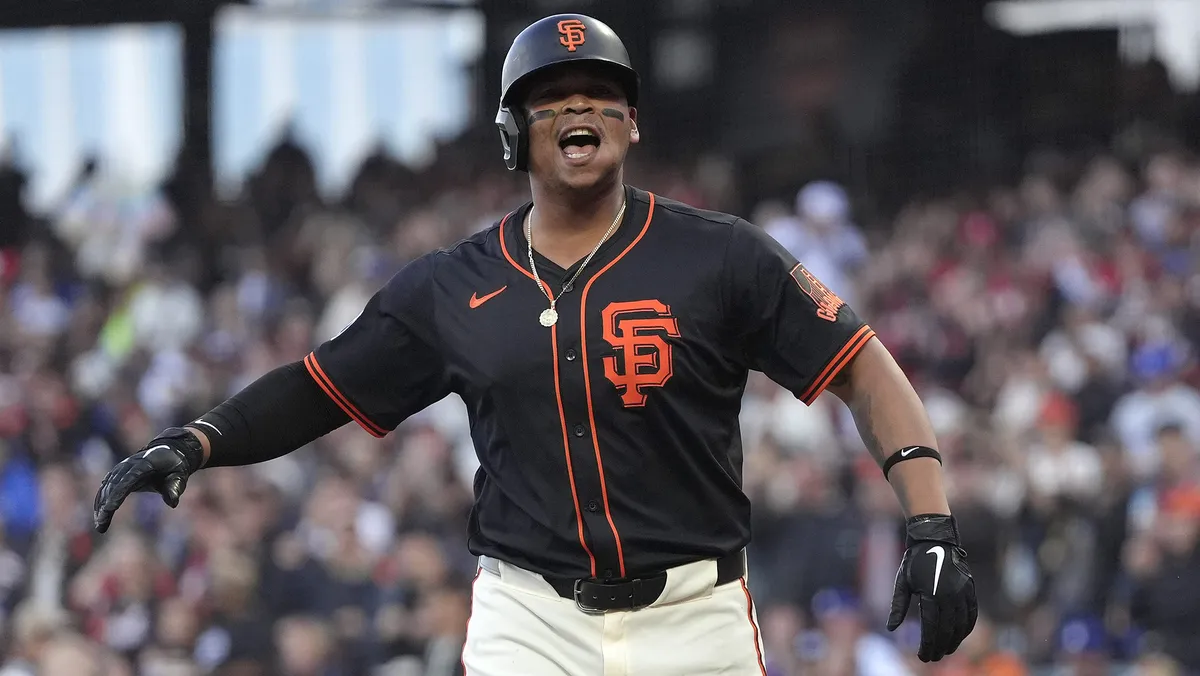
The decisive moment came in June 2025 when Devers was traded to the San Francisco Giants. This move was unexpected for many, as Devers had been a fan favorite in Boston. The Giants, looking to bolster their lineup, saw potential in Devers, who had a solid season prior to the trade. In 2025, he boasted a .252 batting average, a .372 on-base percentage, and a .479 slugging percentage, alongside impressive stats of 99 runs scored and 35 home runs.
As Devers prepares to start the 2026 season, he will take on a new role, playing first base for the Giants. This change marks a significant shift in his career, as he transitions from third base to a position that he has only recently begun to embrace. Mike Axisa, a noted baseball analyst, has predicted that Devers will be a Gold Glove finalist in 2026, highlighting the potential impact of this position change on his career.
The trade has immediate effects on both Devers and the teams involved. For the Giants, acquiring Devers strengthens their offensive lineup, providing a powerful bat in the middle of the order. For the Red Sox, while they lose a talented player, the decision to trade Devers may allow them to explore new strategies and player dynamics moving forward.
Devers’ performance last season was noteworthy, as he ranked 9th in MLB with 109 runs batted in and had an OPS of .851, placing him 16th in the league. However, he also faced challenges, including a 26.3% strikeout rate and a 15.4% walk rate, indicating areas for improvement as he adapts to his new role.
Experts have weighed in on the trade, with some suggesting that while the Red Sox were correct in their assessment that Devers was not a fit at third base, the move to the Giants could be beneficial for both parties. Devers himself acknowledged the difficulty of switching positions, stating, “I know I’m a ballplayer, but at the same time, they can’t expect me to play every single position out there.” This sentiment reflects the challenges athletes face when adapting to new roles.
As the 2026 season approaches, all eyes will be on Rafael Devers and his performance with the Giants. The trade represents not just a change in scenery but a pivotal moment in his career, with the potential to redefine his legacy in Major League Baseball. Details remain unconfirmed regarding how the Giants will utilize Devers in their lineup, but expectations are high for his contributions on the field.
