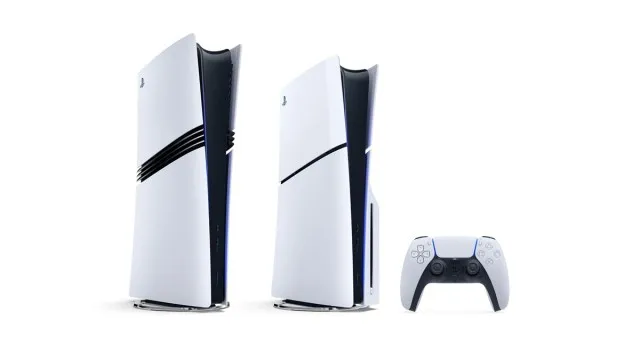
Historically, the Sony PlayStation Network (PSN) has been a cornerstone of the gaming experience, providing essential online services for millions of users. However, recent developments indicate a significant shift in how Sony is approaching its digital ecosystem. As of March 2026, Sony is phasing out the PSN branding entirely, a move that reflects the company’s evolving strategy.
On March 21, 2026, thousands of users reported disruptions during a PSN outage, raising concerns about the reliability of the services. Despite Sony’s system status page indicating normal operations, real-time user feedback painted a different picture, with social media buzzing with frustration over the issues affecting core gaming and social connectivity features.
Prior to this outage, users had experienced a global PSN disruption in February 2025 that lasted approximately 24 hours, and a seven-hour outage in October 2024. While PSN outages have become less frequent in recent years, the timing of this latest disruption coincides with Sony’s announcement about the branding changes.
As part of the rebranding, the PSN logo has been replaced with a generic PS logo in the PS5 user interface, and terms like ‘PlayStation Network sign-in’ have been changed to ‘Sign in to online services.’ Additionally, the service status webpage is now titled ‘PlayStation Status,’ signaling a broader shift in how Sony wants to present its digital offerings.
In a statement, Sony Interactive Entertainment (SIE) explained, “We’d like to inform you that Sony Interactive Entertainment (SIE) has strategically decided to phase out the terms ‘PlayStation Network’ and ‘PSN’ across our platform in order to properly capture the breadth of our evolving digital services.” This indicates that Sony is looking to expand its services beyond gaming, potentially including movies and TV shows.
Experts suggest that this rebranding could be a strategic move to align with changing consumer expectations and the competitive landscape of digital services. However, the immediate impact on user experience during the outage raises questions about the effectiveness of this transition.
Despite the disruptions, it is important to note that this change doesn’t affect any of the current services; friends can still be added, and games can still be played online. Nevertheless, the juxtaposition of a major branding overhaul alongside service interruptions has left many users feeling unsettled.
As Sony navigates these changes, the company must ensure that its infrastructure can support the evolving demands of its user base. The future of the PlayStation Network, now rebranded, will depend on how effectively Sony can balance innovation with reliability in its services.
Details remain unconfirmed regarding the long-term implications of these changes, but the urgency of the situation is clear as Sony seeks to redefine its digital landscape amidst user frustrations.
