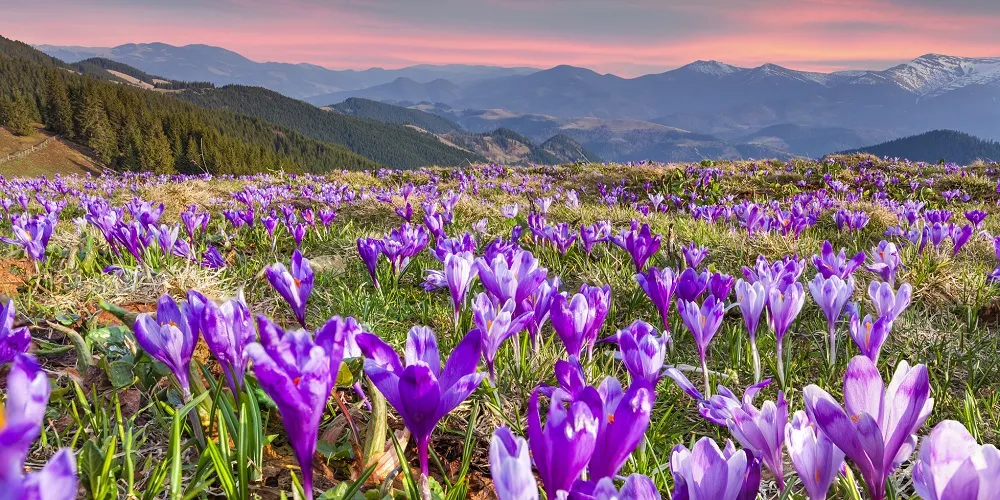
What does the upcoming spring equinox signify for cultures around the world? The spring equinox, landing on March 20, 2026, at 10:46 a.m. EDT, represents a moment of balance when day and night are roughly equal in length.
This equinox has been a sacred turning point for thousands of years, with various cultures celebrating it in unique ways. For instance, Nowruz, the Persian New Year, coincides with the equinox and has been celebrated for over 3,000 years. Central to this celebration is the Haft-Seen, a ceremonial table set with seven symbolic items.
On the equinox, the sun rises due east and sets due west, marking a time when many engage in spring cleaning, a tradition known as khaneh tekani in Persian culture. This practice symbolizes renewal and the clearing away of the old to make way for the new.
Planting seeds is another universal symbol associated with the equinox, representing growth and new beginnings across civilizations. Food plays a crucial role in equinox celebrations, with families gathering to share meals and honor the season.
The national average per kilowatt hour of electricity at public EV charging stations remains steady at 41 cents, indicating a broader context of rising energy costs. In total, 172 million barrels of oil have been released from U.S. strategic reserves to address these fluctuations.
As we prepare for this significant moment, the words resonate: “The spring equinox has been a threshold moment for human beings for thousands of years.” It is a time to pause and reflect, as one expert noted, “You just need to pause long enough to notice that the world is turning, and you’re turning with it.”
With the equinox just around the corner, many are eager to embrace the balance it brings, while also navigating the rising costs associated with energy and fuel. Details remain unconfirmed regarding further economic impacts as the date approaches.
