The numbers
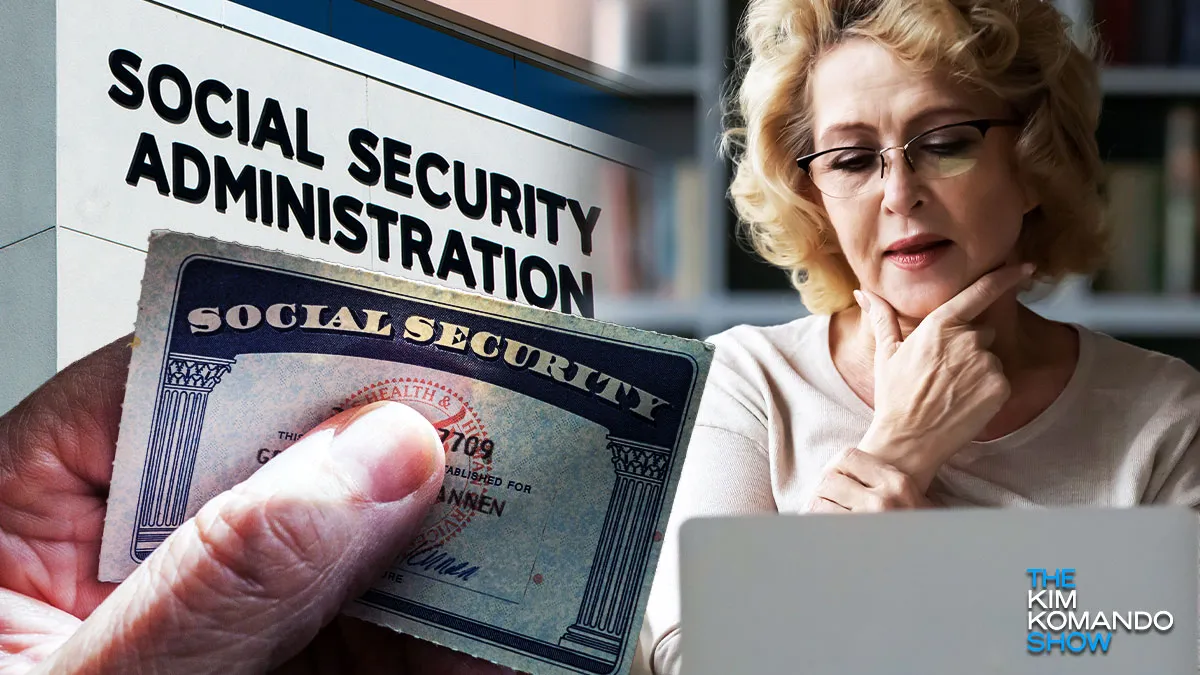
Scammers are ramping up their efforts to deceive retirees through fraudulent emails that impersonate the Social Security Administration (SSA). In 2025, over 330,000 government impersonation complaints were reported to the FTC, marking a 25% increase from the previous year. These alarming statistics highlight the growing threat posed by scammers who aim to obtain sensitive personal information.
The SSA has issued urgent warnings about these deceptive emails, which often appear to be legitimate communications. “We are seeing a sharp increase in fraudulent emails designed to look like official Social Security Administration communications,” stated Michelle L. Anderson, a spokesperson for the agency. Scammers frequently utilize official-looking language, logos, and formatting to mislead recipients into believing the messages are genuine.
Common tactics employed by these scammers include claims that a Social Security statement is ready for download, pressuring victims to act immediately, or suggesting there is a problem with their account. The SSA emphasizes that they will never demand immediate payment or send unsolicited attachments, a key detail that recipients should remember.
Scammers specifically target sensitive information such as full or partial Social Security numbers, dates of birth, and bank account access. In light of this, the SSA advises recipients to exercise caution: “If you receive a message from someone claiming to be from the agency, don’t respond, don’t click any links, and don’t call the number in the message,” warns an SSA representative.
To combat this rising threat, the SSA encourages anyone who receives suspicious emails to report them to the SSA Office of Inspector General. “These messages are not from Social Security. Anyone who receives one should delete it immediately and report it,” Anderson added, urging vigilance among the public.
Victims who have inadvertently shared personal information with scammers are advised to cease all contact immediately and report the incident. The SSA’s guidance is clear: do not click links or open attachments in unsolicited messages, as doing so may lead to identity theft and financial loss.
As the trend of SSA imposter scam emails continues to escalate, observers expect further warnings and advisories from the agency. The urgency of the situation cannot be overstated; individuals must remain alert and informed to protect themselves from these malicious schemes. Details remain unconfirmed regarding the full extent of the impact these scams may have on the public, but the potential for significant harm is evident.
