The U.S. Supreme Court has cleared the way for the Trump administration to dismiss the criminal case against Steve Bannon, a significant development that could reshape the political landscape. This decision follows Bannon’s conviction in 2022 for defying a subpoena from the House Select Committee investigating the January 6, 2021, Capitol riot, a case that has been mired in controversy and claims of political bias.
Bannon, who served a four-month prison sentence for his conviction, argued that he did not willfully ignore the subpoena and relied on legal advice regarding executive privilege. His legal team has consistently maintained that the case should never have been brought, asserting it was politically motivated by the Biden administration. The Supreme Court’s ruling, which vacated the lower court’s decision and sent the case back to the U.S. Court of Appeals for the D.C. Circuit, does not officially dismiss the case but clears a path for such an outcome.
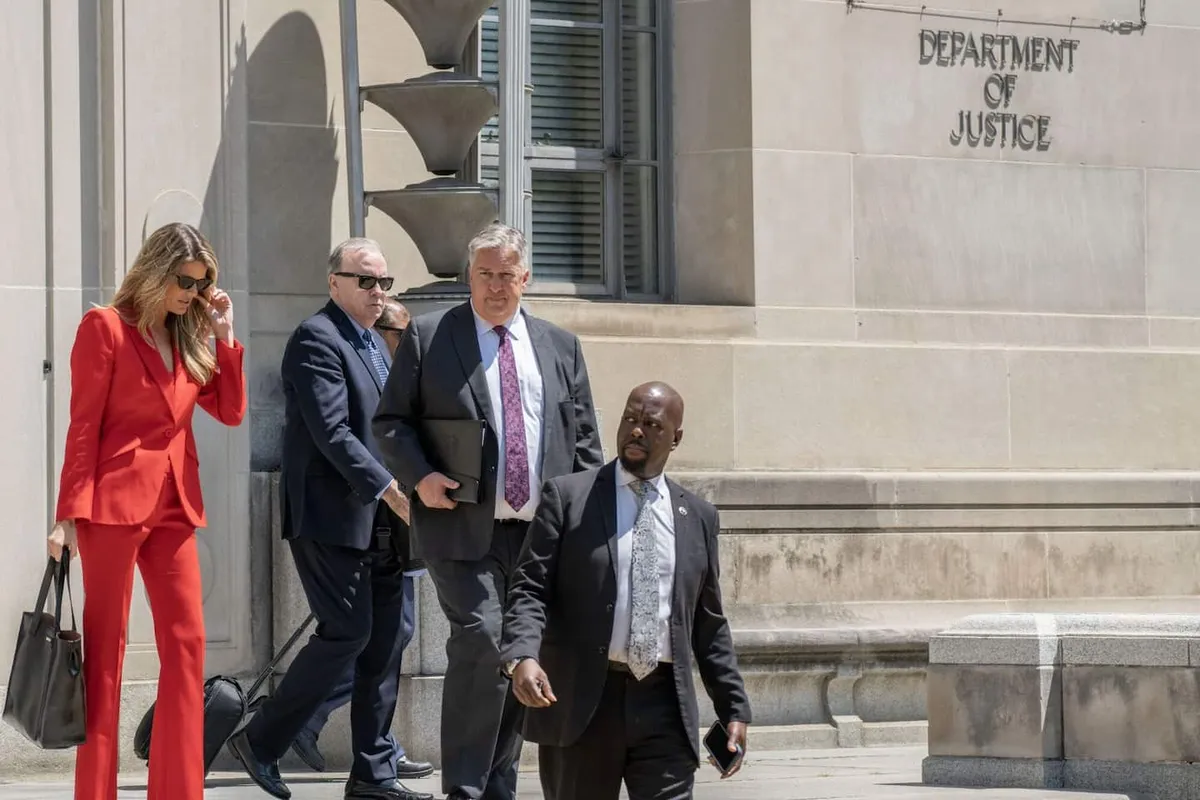
The Justice Department, initially pursuing the case under President Joe Biden, has since decided to drop the indictment, citing that dismissal is in the interests of justice. This decision has been met with mixed reactions, as it raises questions about the integrity of the legal process and the role of political influence in judicial matters.
Reaction from the field
Michael Buschbacher, Bannon’s attorney, expressed relief at the Supreme Court’s decision, stating, “This case should never have been brought, and we’re delighted that the decision affirming Mr. Bannon’s unlawful conviction has finally been vacated.” David Schoen, another attorney for Bannon, echoed this sentiment, claiming, “The criminal contempt of Congress case against Steve Bannon never should have been brought. It was brought by the Biden Justice Department solely for political purposes.” These statements highlight the ongoing debate surrounding the motivations behind the prosecution.
Despite the Supreme Court’s decision, uncertainties remain regarding the future of the case. Bannon’s appeal to the Supreme Court was based on the definition of ‘willfully’ in contempt cases, and while the Court rejected his emergency appeal to avoid prison in 2024, the legal implications of this ruling could have lasting effects. The Supreme Court’s decision follows a federal appeals court in Washington, DC, which previously upheld Bannon’s conviction.
As the political landscape continues to evolve, the implications of this ruling extend beyond Bannon himself, potentially impacting future cases involving executive privilege and congressional subpoenas. The Department of Justice’s shift in stance also raises questions about prosecutorial discretion and the balance of power between political entities and the judicial system.
Details remain unconfirmed regarding the next steps the Trump administration will take in light of this ruling, but the potential dismissal of the case against Bannon could set a precedent for similar cases in the future. As this situation develops, all eyes will be on the D.C. Circuit Court and the actions of the Department of Justice under the Trump administration.
