The numbers
Warming temperatures from climate change are forcing tree swallows to nest up to two weeks earlier than they did in the 1970s, according to a recent study. This shift in nesting behavior raises urgent concerns about the survival of these birds, particularly during unexpected cold snaps.
Tree swallows, which belong to a guild of birds that exclusively consume flying insects, are experiencing significant challenges as they adapt to these changes. The study highlights that even a few days of cold temperatures during the breeding season can drastically affect adult weight, nestling growth, and overall nestling survival. “For parents that are more robust to cold temperature changes, their nestlings are more likely to grow larger and survive under those challenging conditions,” said Conor Taff, a researcher involved in the study.
As climate change progresses, the variability in spring temperatures may paradoxically increase exposure to cold snaps. Taff noted, “Climate change, somewhat paradoxically, might increase exposure to cold snaps, because the birds breed earlier in warmer springs when the temperature is more variable.” This phenomenon could have dire consequences for tree swallows, which have already seen marked declines in parts of their range, such as southeastern Canada.
In Southern Illinois, the situation is compounded by local environmental efforts. Southern Illinois University Carbondale (SIU) has been recognized by the Arbor Day Foundation as a Tree Campus Higher Education institution each year since 2015. The university has planted over 100 trees as part of its initiative, contributing to a vibrant campus that boasts more than 5,200 living trees and is home to 155 different species of trees.
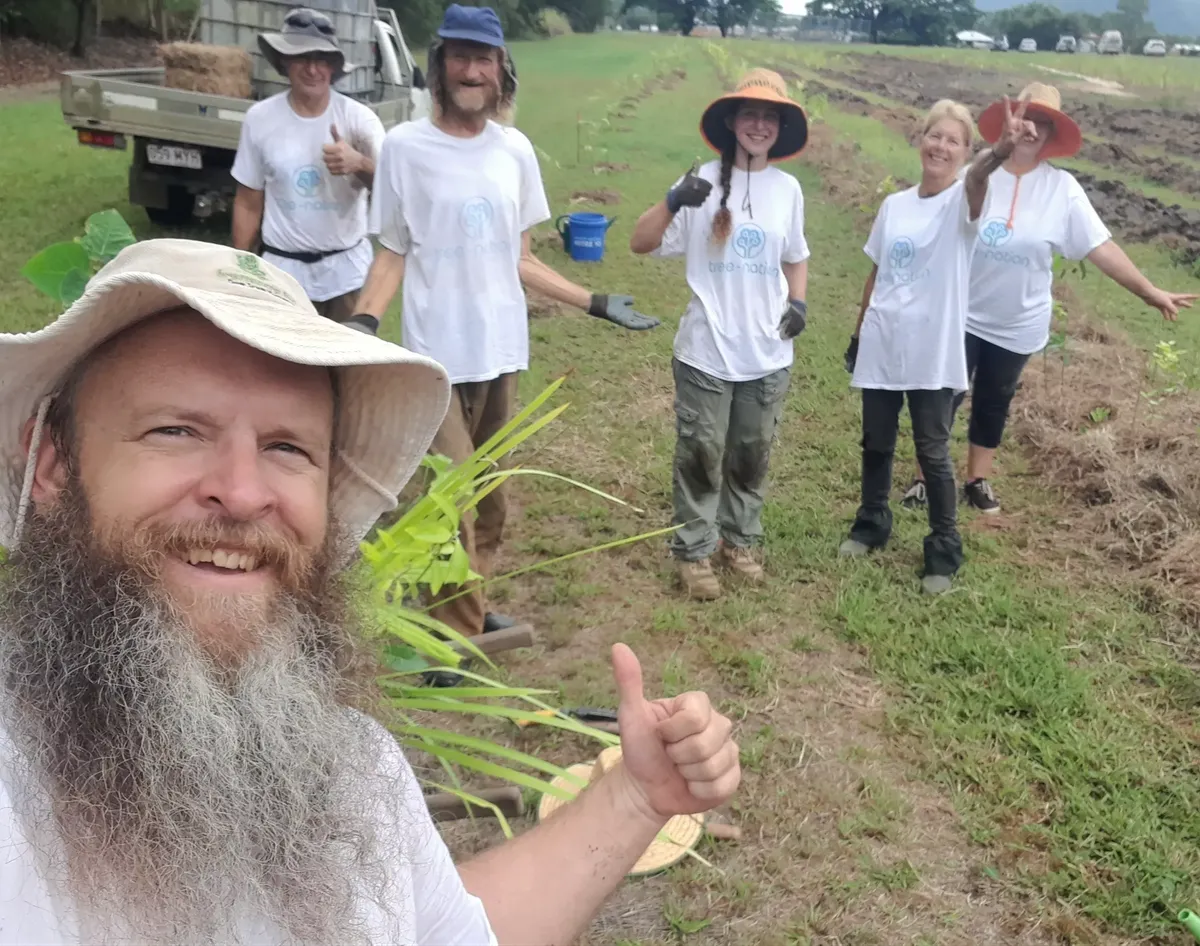
SIU’s commitment to maintaining its green spaces is evident, with a tree planting event scheduled for April 22, 2026, coinciding with Earth Day. Participants are encouraged to meet at parking lot 44, located at the corner of Lincoln Drive and Chautauqua Street. The initiative underscores the importance of trees in urban environments and their role in supporting local wildlife.
Proper care for newly planted trees is crucial. Experts recommend applying about five gallons of water to each tree after planting to ensure their survival and growth. This practice is essential, especially as climate conditions continue to fluctuate.
As researchers continue to study the impacts of climate change on wildlife, the focus on tree swallows serves as a reminder of the interconnectedness of ecosystems. The implications of their early nesting habits could extend beyond their species, affecting the broader ecological balance.
Details remain unconfirmed regarding the long-term effects of these changes on tree swallow populations and their habitats. Observers are keenly watching how these birds adapt to their changing environment and what measures can be taken to support their survival amidst the challenges posed by climate change.
