Who is involved
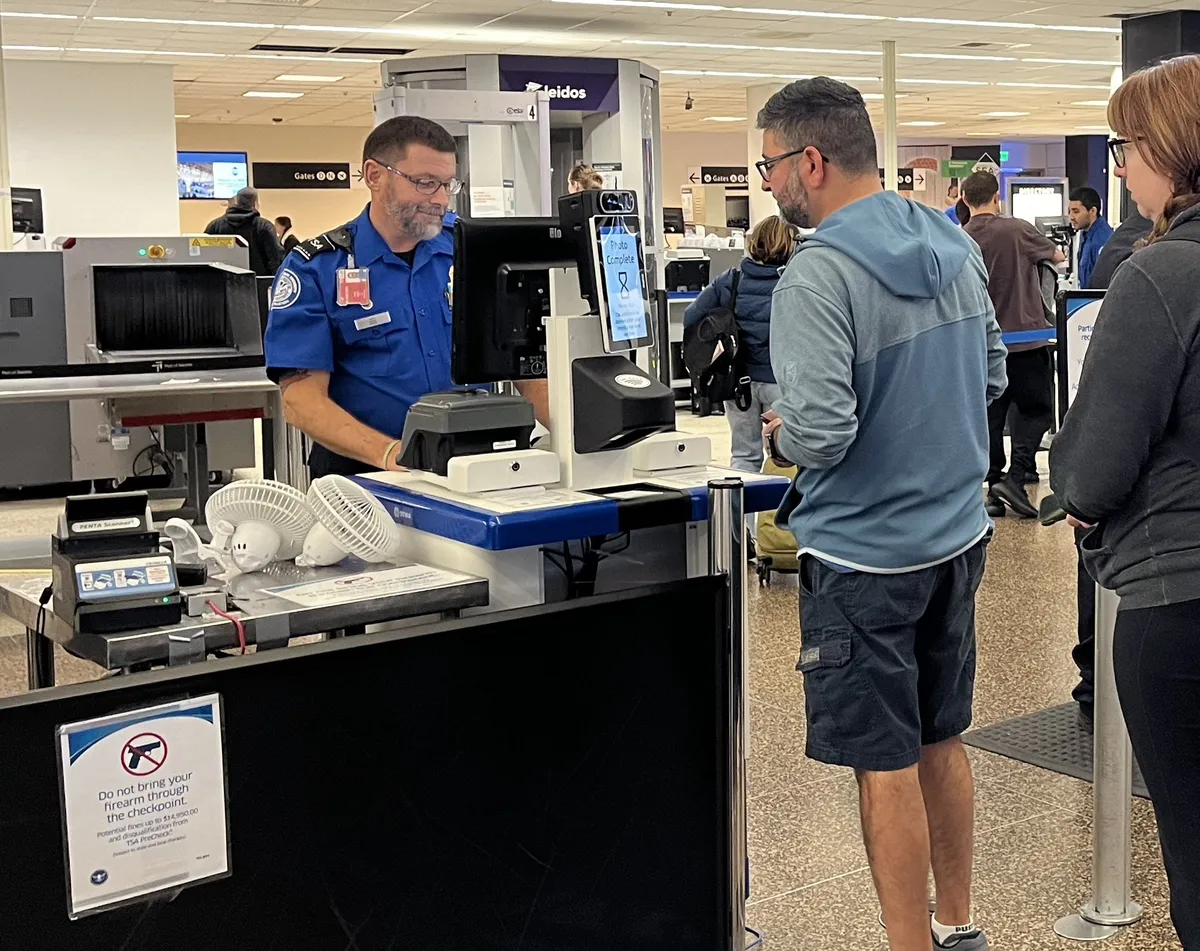
The Transportation Security Administration (TSA) has long been a cornerstone of airport security in the United States. However, the landscape is shifting dramatically as President Donald Trump has proposed a significant expansion of privatization for TSA security operations at airports across the nation. This move comes in the wake of ongoing challenges, including a partial government shutdown that has severely impacted airport operations and security efficiency.
Before this development, the TSA was primarily a federal entity, managing security screenings directly at airports. The expectation was that federal oversight would ensure consistent security standards across all airports. However, the realities of government funding and operational efficiency have led to a reevaluation of this approach. The partial government shutdown has resulted in long security lines and an alarming 11% call-out rate among TSA workers, raising questions about the agency’s ability to maintain effective security.
The decisive moment came with Trump’s announcement in early 2027, where he proposed a budget request of $63 billion for the Department of Homeland Security (DHS), marking a $2.2 billion decrease from the previous year. This budget includes plans to cut $52 million from TSA operations through privatization. The rationale behind this drastic shift is to ensure that screeners continue to receive pay during future government shutdowns, a concern that has plagued TSA employees and travelers alike.
As the privatization initiative unfolds, the immediate effects are already being felt. Airports that have opted into the TSA’s screening partnership program, which allows for the use of private contractors, have reported cost savings compared to traditional federal screening operations. The White House has emphasized that these changes are aimed at reforming a troubled federal agency while enhancing efficiency and reducing taxpayer burdens.
However, this shift is not without its critics. The TSA union has raised alarms that privatization could lead to cuts in pay and protections for workers, creating a precarious situation for those employed in airport security. The implications of these changes could reverberate through the workforce, potentially undermining the very security standards that privatization aims to improve.
In a related incident, Pima County Sheriff Chris Nanos was stopped by TSA agents for attempting to carry a loaded firearm in his carry-on luggage at Tucson International Airport. This incident, which occurred on November 6, 2024, and resulted in no charges against the sheriff, underscores the ongoing challenges TSA faces in ensuring security compliance, even as it contemplates a shift to privatization.
Experts are divided on the potential outcomes of this privatization effort. While some argue it will lead to improved efficiency and cost savings, others caution that the exact impact on worker pay and security risks remains unclear. As the TSA navigates this transition, details remain unconfirmed regarding how these changes will affect overall airport security and the workforce involved.
As the situation evolves, the future of TSA airport security hangs in the balance, with significant implications for travelers, airport staff, and the broader landscape of national security. The urgency of these developments cannot be overstated as stakeholders await further clarity on the path forward.
