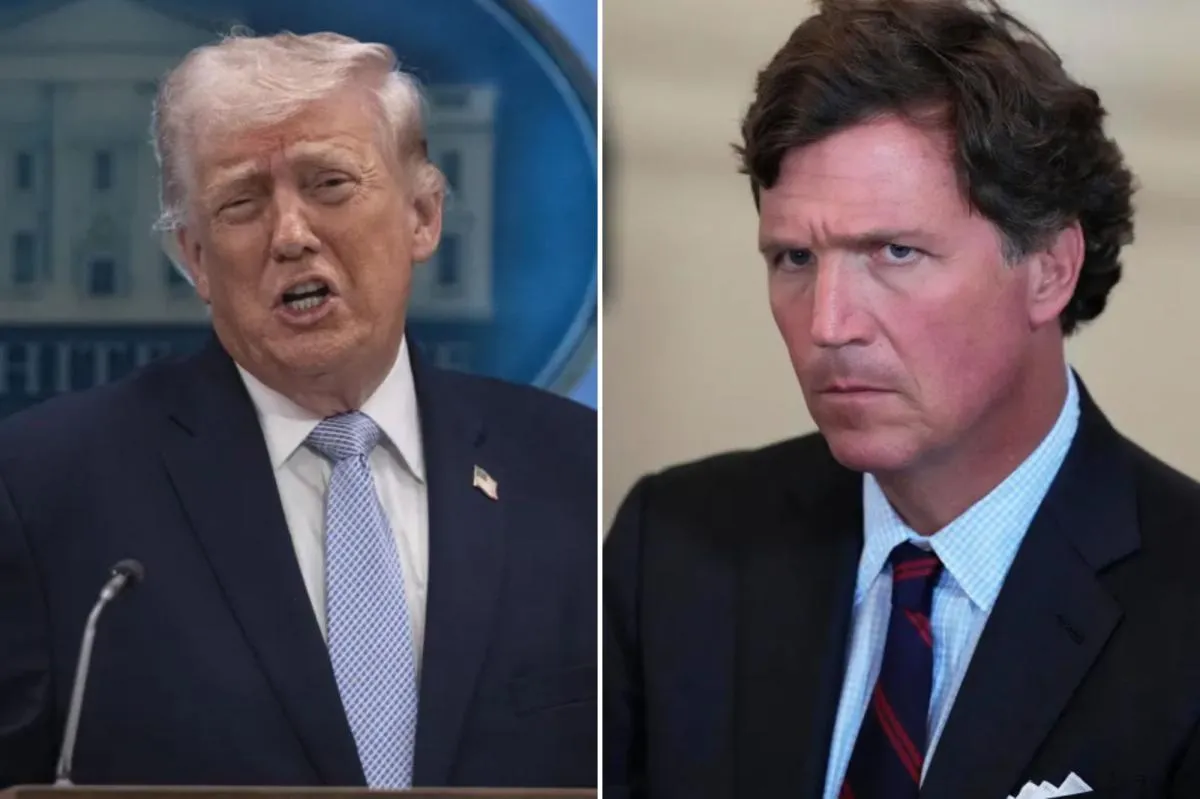
Who is involved
In a stunning turn of events, Tucker Carlson, once a staunch ally of Donald Trump, has publicly severed ties with the former president over his aggressive stance towards Iran. Previously, Carlson had supported Trump, even suggesting that divine intervention played a role in Trump’s survival of an assassination attempt. However, recent developments have led to a dramatic shift in their relationship.
The decisive moment came during a phone call where Trump disparaged Carlson, calling him a “low-IQ person”. This marked a significant departure from their previously aligned views, as Carlson had been a vocal supporter of Trump’s policies. In response to Trump’s threats against Iran, which included a chilling warning that “a whole civilization will die tonight” if Iran did not comply with his demands, Carlson took a stand. He urged U.S. officials to oppose Trump’s plans for military action, stating, “Now it’s time to say no, absolutely not, and say it directly to the president, no.”
As tensions escalated, Carlson’s criticisms intensified. He condemned Trump’s Easter morning post as “vile on every level,” and went so far as to suggest that Trump might be the antichrist during his podcast. This stark shift highlights the growing rift between the two figures, who were once seen as allies in the political landscape.
Carlson’s condemnation of Trump’s threats against Iran’s civilian infrastructure as a “war crime” further illustrates the depth of his disapproval. He urged officials to tell Trump to “figure out the codes on the football yourself,” indicating a clear break from the former president’s approach to foreign policy. This public fallout not only affects their personal relationship but also has broader implications for their respective followers and the political climate.
Experts are weighing in on this unexpected rift. Political analysts suggest that Carlson’s shift could signal a broader discontent among Trump’s base regarding his aggressive foreign policy. The implications of Carlson’s criticisms may resonate with those who previously viewed him as a reliable supporter of Trump. As Carlson’s voice carries significant weight in conservative media, his denunciation of Trump could lead to a reevaluation of Trump’s strategies among his supporters.
Trump’s response to Carlson’s criticisms has been dismissive, maintaining that Carlson is out of touch with the realities of the situation. This ongoing feud raises questions about the future of their relationship and the potential for further divisions within the Republican Party. As both figures navigate this turbulent landscape, the stakes are high, not only for their political careers but also for the broader implications on U.S. foreign policy.
Details remain unconfirmed regarding the extent of the fallout between Carlson and Trump, but the public nature of their disagreements suggests a significant shift in the dynamics of their relationship. As the situation develops, it will be crucial to monitor how this affects their respective followings and the political discourse surrounding U.S. actions in Iran.
