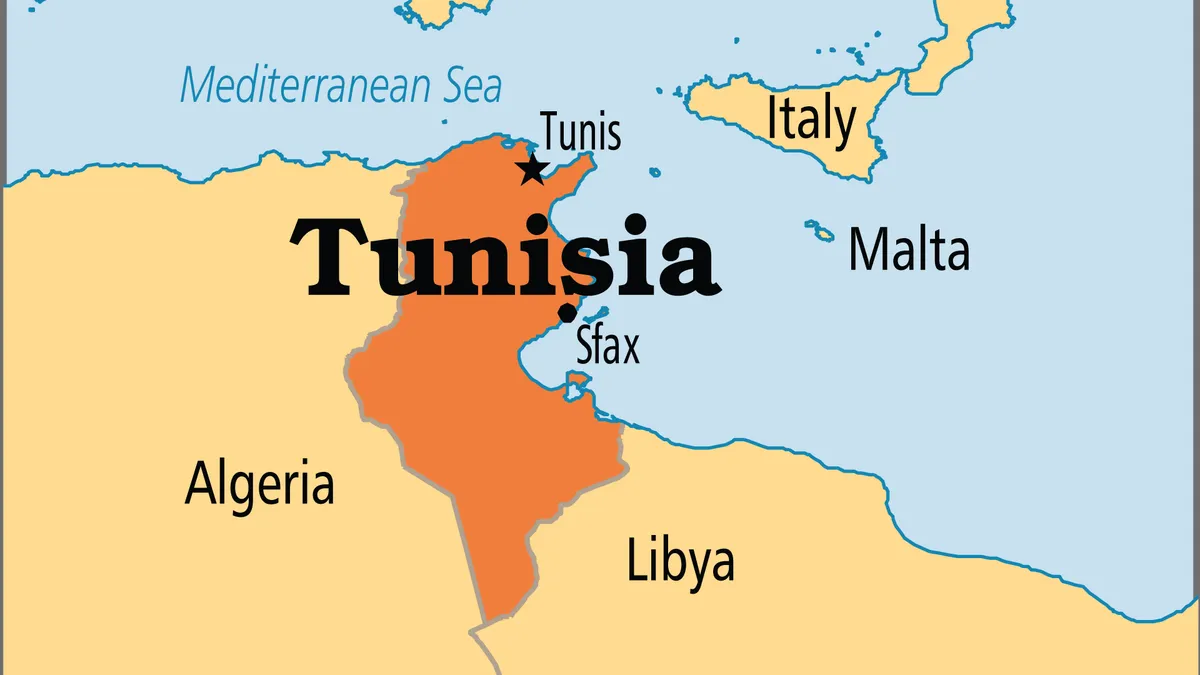
Tunisia has long faced challenges in digital connectivity, particularly in remote areas where traditional telecommunications infrastructure is lacking. Prior to recent developments, many citizens in these regions struggled with limited access to reliable internet services.
However, a decisive moment arrived with the launch of Orange Tunisia’s satellite internet service, which offers speeds of up to 100 Mbps. This service is specifically designed to cater to remote areas, leveraging Eutelsat’s latest-generation satellite technology to cover the entire Tunisian territory.
The introduction of this service marks a significant shift in the digital landscape of Tunisia, promising to enhance connectivity for those previously underserved. Orange Tunisia stated, “With Orange Satellite, Orange Tunisia confirms its leadership in innovation and reaffirms its commitment to digital inclusion.” This initiative is expected to bridge the digital divide and improve access to information and services for many Tunisians.
In contrast to the advancements in digital connectivity, the political climate in Tunisia has taken a more contentious turn. Recently, lawmaker Ahmed Saidani was sentenced to eight months in prison for mocking President Kais Saied on social media. This incident highlights the ongoing tensions in the country regarding freedom of expression and political dissent.
Saidani’s arrest followed a Facebook post in which he criticized the president, leading to charges of insulting others through communication networks. Bilel Mechri, a political analyst, remarked, “This is a violation of the law and an attack on institutions,” reflecting concerns over the implications for political discourse in Tunisia.
The contrasting developments in Tunisia illustrate a nation at a crossroads, where advancements in technology coexist with challenges in governance and civil liberties. As the country moves forward, the effects of these changes will likely resonate across various sectors of society.
While the satellite internet service represents a step towards greater digital inclusion, the imprisonment of a lawmaker raises questions about the state of democracy and freedom of speech in Tunisia. The balance between innovation and political freedom remains delicate, and the future will reveal how these dynamics evolve.
Details remain unconfirmed regarding the broader implications of Saidani’s imprisonment on the political landscape, but it undoubtedly underscores the complexities facing Tunisia today.
