“Tonight, truth prevailed over lies. Today, we won because Hungarians didn’t ask what their homeland could do for them — they asked what they could do for their homeland,” declared Péter Magyar, the newly elected prime minister of Hungary, following a historic election on April 12, 2026. This moment marks the end of Viktor Orbán’s 16-year reign, a period characterized by significant political and social upheaval.
Orbán’s Fidesz party received only 37% of the vote, while Magyar’s Tisza party surged to an impressive 53%, winning 94 out of 106 voting districts. The election saw a record turnout of nearly 80%, reflecting a heightened engagement among voters who sought change after years of Orbán’s controversial policies.
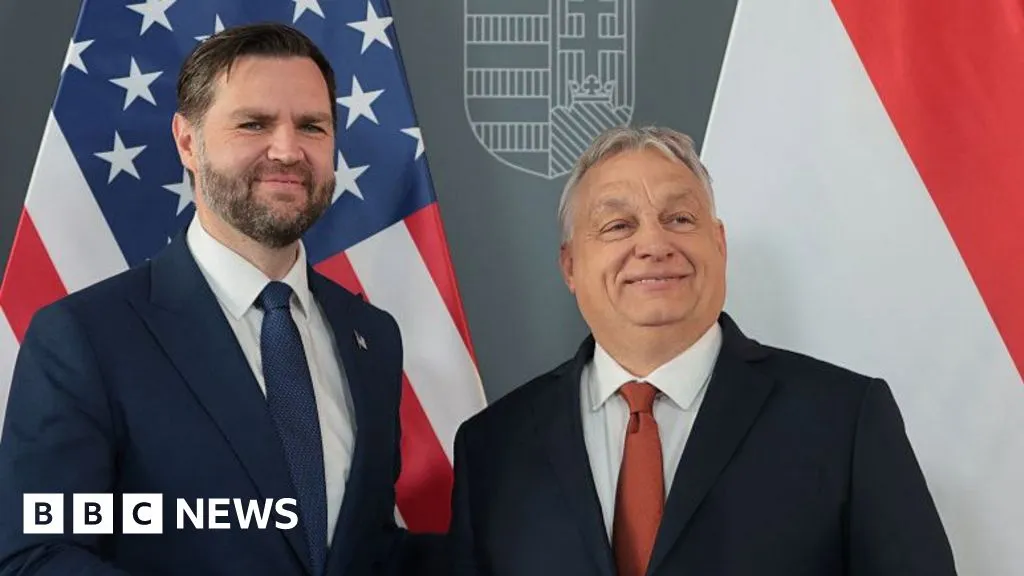
In the days leading up to the election, JD Vance, a prominent supporter of Orbán, urged Hungarians to back the prime minister, stating, “We have got to get Viktor Orbán reelected as prime minister of Hungary, don’t we?” Despite these efforts, the electorate’s desire for a new direction proved overwhelming.
Orbán’s government has faced increasing criticism for undermining democracy and media freedom, as well as for its strained relationship with the European Union. His administration has been accused of authoritarianism, aligning closely with far-right movements globally, and maintaining ties with leaders like Donald Trump and Vladimir Putin.
In a statement following his defeat, Orbán acknowledged the outcome, saying, “We are going to serve the Hungarian nation and our homeland from opposition.” This concession reflects a significant shift in Hungary’s political landscape, with implications that may resonate throughout the EU.
During his time in office, Orbán’s government vetoed substantial EU loans, totaling 90 billion euros and 104 billion dollars, further complicating Hungary’s relationship with the bloc. His refusal to assist Ukraine amid the ongoing Russian invasion has also drawn international scrutiny.
As Péter Magyar prepares to take office, the political dynamics in Hungary are expected to transform, potentially leading to a reevaluation of the country’s approach to both domestic and international issues. The ramifications of Orbán’s defeat may extend beyond Hungary, influencing the broader political climate within the European Union.
With the election results now confirmed, observers are keenly watching how Magyar’s administration will navigate the challenges ahead and what this means for Hungary’s future in Europe.
