What does Viktor Orbán’s recent phone call with Vladimir Putin mean for Hungary’s political landscape? During a call on October 17, 2026, Orbán told Putin, “I am at your service,” a statement that has raised eyebrows amid ongoing scrutiny of Hungary’s ties to Russia.
Orbán, who has been in power for 16 years, faces a significant challenge from Péter Magyar in the upcoming election. His relationship with Russia has been likened to that of a “mouse” aiding a “lion,” highlighting the precarious nature of Hungary’s foreign policy.
In the same call, Putin praised Hungary’s “independent and flexible” stance regarding the war in Ukraine, a sentiment that aligns with Orbán’s efforts to position Hungary as a Moscow-friendly nation. This has led to allegations that Russian intelligence agencies are attempting to influence the Hungarian election.
Orbán’s government is under fire for its perceived closeness to the Kremlin, with many in the European Union closely monitoring the situation. The election is seen as a litmus test for Orbán’s leadership amid scandals surrounding Hungary’s relationship with Moscow.
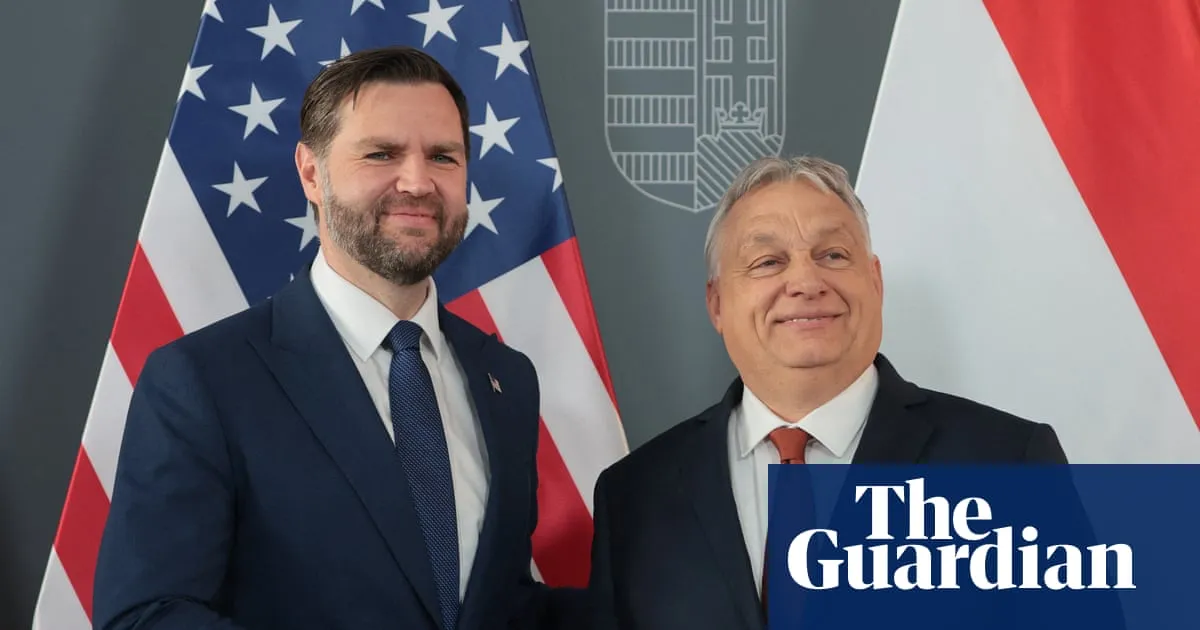
Support for Orbán has also come from notable figures, including Donald Trump, who referred to him as a “fantastic guy” and a “strong and powerful leader.” Meanwhile, JD Vance’s visit to Budapest to support Orbán’s re-election campaign underscores the international dimensions of this political battle.
As Hungary’s population of 9.5 million prepares to vote, the stakes are high. Orbán’s administration has been characterized by a shift towards what he describes as an “illiberal democracy,” raising concerns about democratic backsliding.
With the election approaching, the implications of Orbán’s ties to Putin and the potential for foreign influence remain critical issues. Orbán himself stated, “We want you to make a decision about your future with no outside forces pressuring you or telling you what to do,” yet the reality may be more complex.
As the election date nears, the political landscape in Hungary continues to evolve, and details remain unconfirmed regarding the extent of foreign influence on the electoral process.
