Who is involved
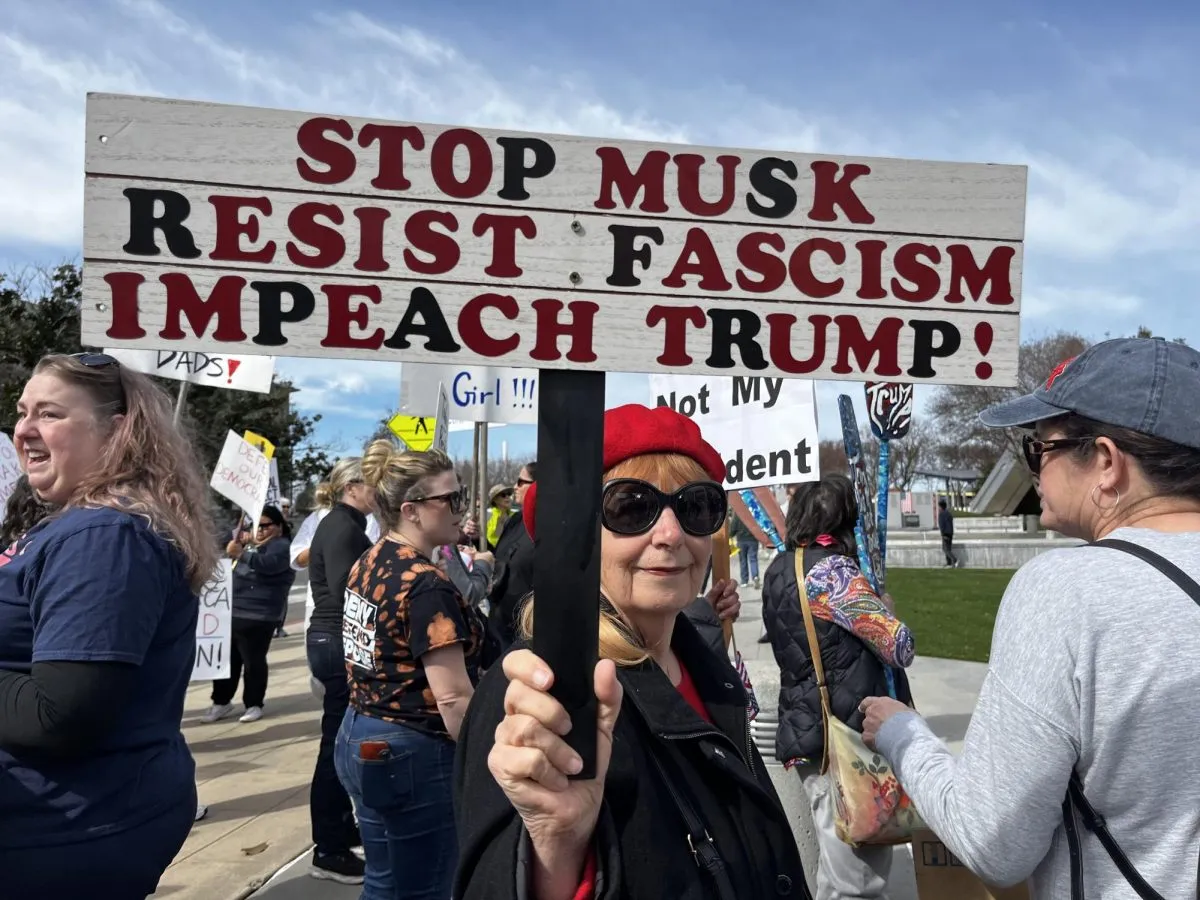
The No Kings protests are a series of demonstrations against President Donald Trump, reflecting a growing discontent among various voter demographics. Originally, many Americans expected a stable political landscape, but the rise of perceived authoritarianism under Trump’s presidency has shifted expectations dramatically. This shift has galvanized millions, with more than 9 million people anticipated to participate in the protests nationwide.
Scheduled for March 28, 2026, the protests will see at least 3,000 demonstrations across the country, with 40 planned specifically in the Philadelphia region. The Philadelphia protest is set to begin at City Hall and will march down the iconic Ben Franklin Parkway, culminating in speeches expected to start around 1:15 p.m. This event is not just a local affair; it is part of a broader movement led by the activist organization Indivisible, which has been instrumental in mobilizing grassroots efforts against Trump.
The decisive moment for the No Kings protests came as suburban voters began to shift away from the Republican Party, spurred by their dissatisfaction with Trump’s policies and rhetoric. This mobilization is seen as a direct response to what many perceive as rising authoritarianism, with activists like Analilia Mejia, a candidate in New Jersey’s 11th District special election, emphasizing that “a ZIP code does not protect anyone from rising violent authoritarianism.” The special election is scheduled for April 16, 2026, adding another layer of urgency to the protests.
The direct effects of these protests are already being felt. Activists are reporting a surge in engagement and participation among voters who previously felt disenfranchised. Jeff Naiman, a local activist, expressed the urgency of the situation, stating, “It’s like our hair is on fire.” This sentiment resonates with many who feel that the stakes have never been higher.
Experts suggest that the No Kings protests could represent the largest day of protesting in U.S. history, mobilizing millions of protesters in a manner reminiscent of the mass demonstrations seen in 2025. This unprecedented scale indicates a significant shift in public sentiment and political engagement, particularly among suburban voters who are increasingly resistant to Trumpism.
As the protests approach, the atmosphere is charged with anticipation and determination. Activists are rallying support, emphasizing that “this is not some other people’s fight. This is our fight,” as articulated by Allison Posner. The No Kings protests are not merely a reaction to Trump; they symbolize a broader movement for democratic values and accountability.
Details remain unconfirmed regarding the final turnout and specific logistics, but the momentum is clear. The No Kings protests are poised to be a pivotal moment in American political history, marking a significant escalation in the ongoing resistance against Trump’s presidency and its implications for democracy.
