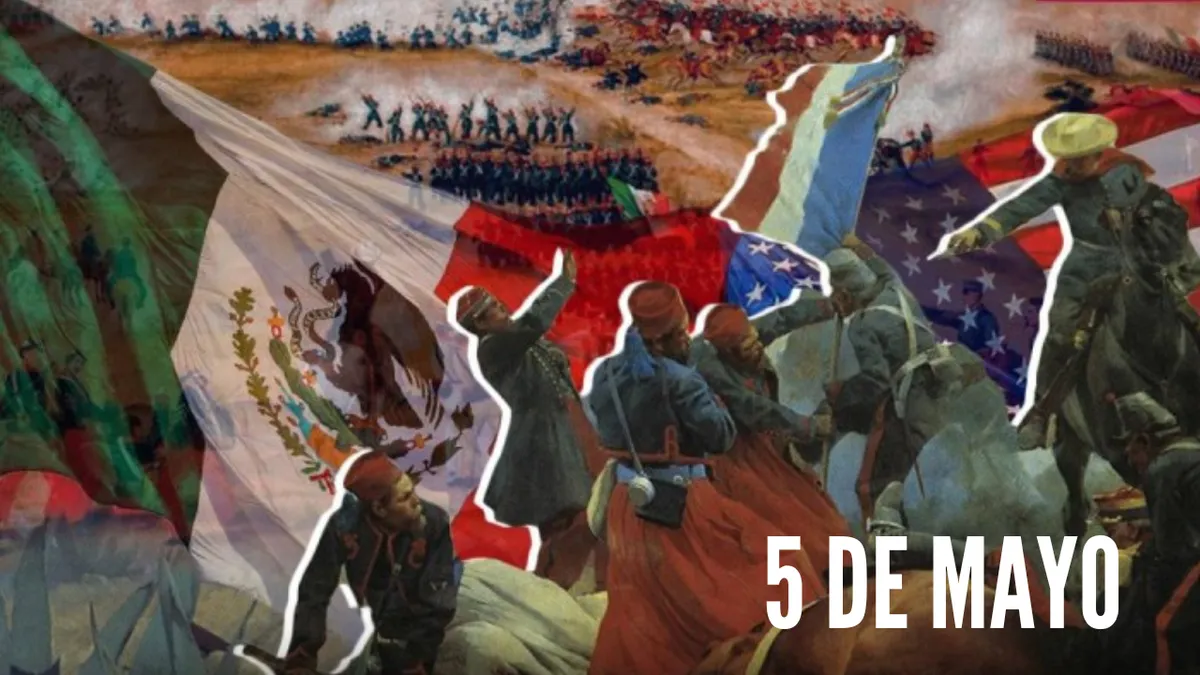
Cinco de Mayo has transformed from a historical commemoration into a vibrant cultural celebration in the U.S., particularly among Mexican-American communities. The day marks the victory of the Mexican army over French forces during the Battle of Puebla in 1862.
The battle occurred on May 5, 1862, and was led by General Ignacio Zaragoza. The Mexican army faced significant odds against the French, suffering around 100 casualties compared to more than 500 for the French.
In the U.S., Cinco de Mayo is not a federal holiday. However, it has become a major celebration of Mexican-American heritage. Many Americans mistakenly believe it marks Mexico’s Independence Day, which is celebrated on September 16.
Cinco de Mayo celebrations:
- Include parades, music, and traditional Mexican food.
- Were influenced by Mexican Americans during the U.S. Civil War.
- Are particularly large in cities like Los Angeles, Chicago, and Houston.
Restaurants often use Cinco de Mayo as a key date for promotions. For example, Chuy’s offers queso bowls for $5 and frozen margaritas at 7-Eleven start at $3.
Despite its popularity, officials have not confirmed any plans for official recognition of Cinco de Mayo as a federal holiday in the United States. The evolution of this day reflects changing cultural dynamics and a growing appreciation for Mexican-American contributions.
