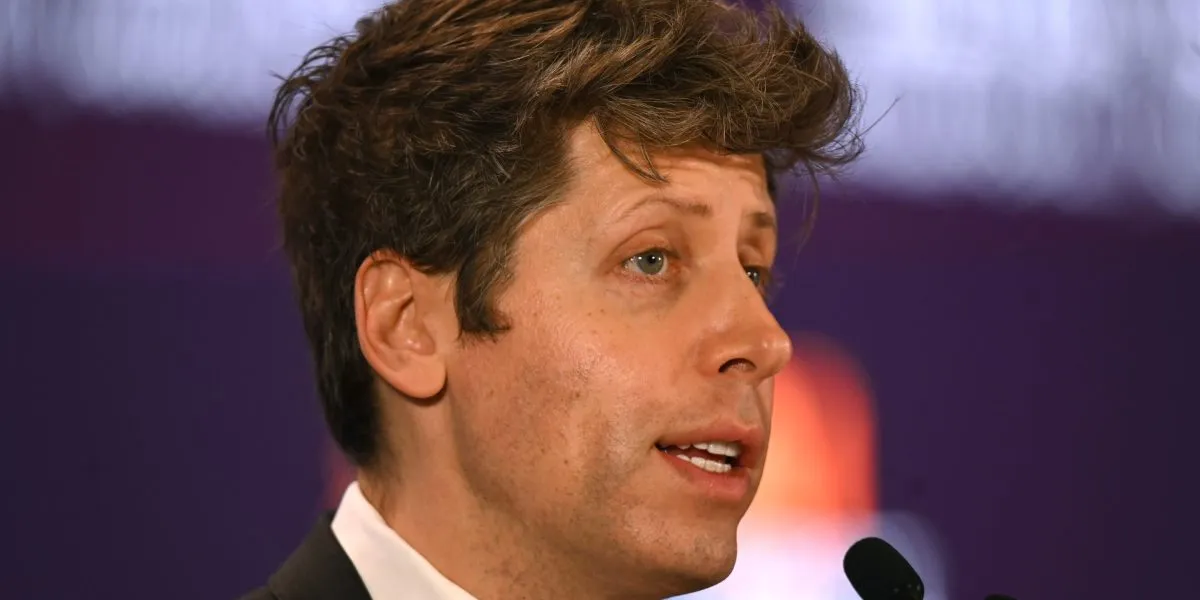
OpenAI CEO Sam Altman warned that some companies are engaging in ‘AI washing’ by falsely attributing layoffs to AI. This trend raises concerns about job displacement and market credibility.
A recent study by the National Bureau of Economic Research revealed that nearly 90% of executives reported AI had no impact on workplace employment over the past three years. Yet, around 40% of employers expect to follow Snap’s lead in reducing staff due to AI.
In April, Snap CEO Evan Spiegel announced plans to lay off about 1,000 staff members, approximately 16% of its workforce, citing AI as a factor. However, experts like Martha Gimbel from the Yale Budget Lab stated that there are currently no significant macroeconomic effects from AI on labor.
Key statistics:
- 50% of entry-level office jobs may be wiped out by AI, according to Anthropic CEO Dario Amodei.
- 181,000 revised job gains were reported last week despite GDP tracking up 3.7%.
- 92% of S&P 500 market value will comprise intangible assets by 2025.
AI washing is defined as false or exaggerated claims about AI adoption and impact. The SEC, DOJ, and FTC have launched enforcement actions targeting companies that overstate their AI capabilities. The number of securities class action lawsuits related to AI disclosures has trended upwards, with 16 cases filed in 2025.
Experts emphasize the importance of genuine AI governance to prevent misleading practices. Sid Yenamandra noted that “AI washing occurs when vendors market a capability as AI-based even though it is primarily rules-based automation.” Babu Sivadasan added that true AI should enable real-time, connected intelligence beyond mere task automation.
The implications of this trend could affect market credibility and regulatory scrutiny. With the SEC enforcement actions underway, companies may face increased pressure to accurately represent their use of AI technologies.
