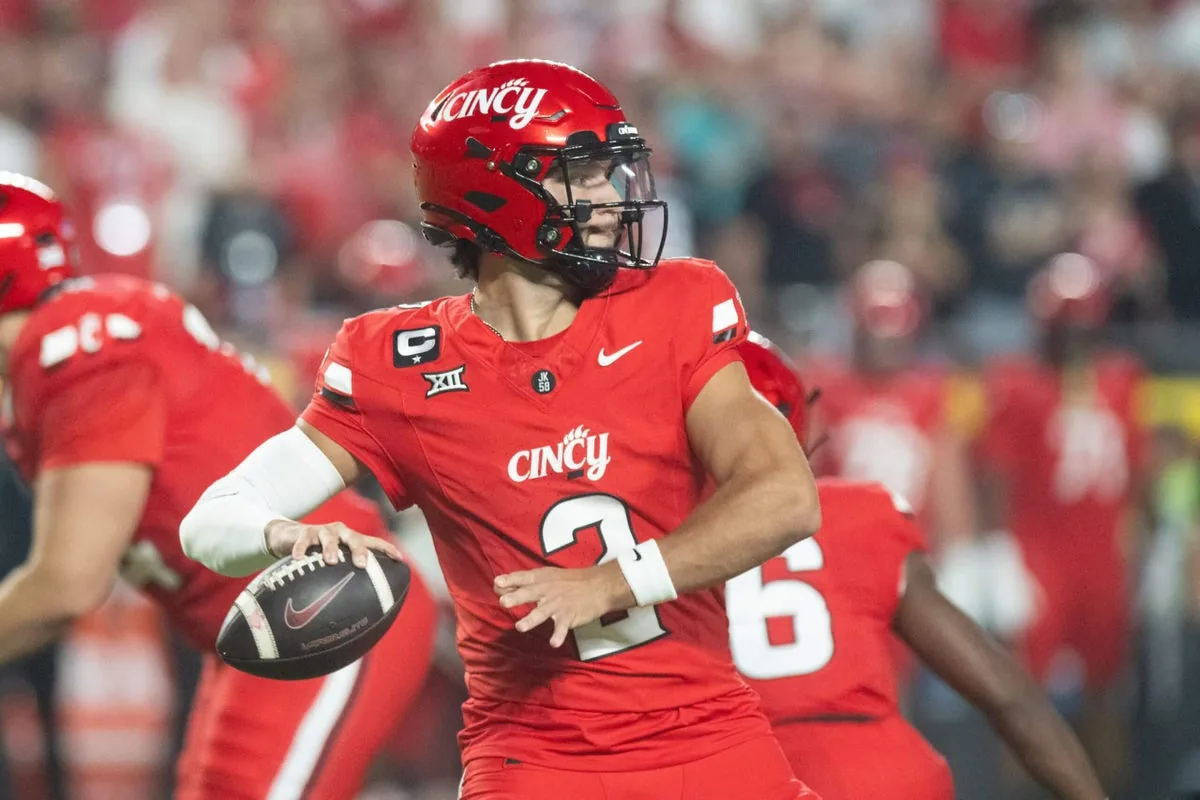
NFL and Sorsby Reach Agreement
Quarterback Brendan Sorsby will not play in the 2026 season but will be eligible for the 2027 NFL Draft. An agreement was reached between the NFL, the NFL Players Association, and Sorsby, resolving legal claims related to the league’s decision not to hold a supplemental draft this offseason. This settlement confirms Sorsby’s eligibility for the 2027 draft.
A memo sent to all clubs indicated that there would be no further litigation regarding Sorsby’s entry into the NFL. Instead, Sorsby will concentrate on preparing for the 2027 NFL Draft. He will be considered a ‘Draft-Eligible’ player for the 2027 NFL Draft and will not be eligible to sign an NFL Player Contract until the draft’s completion.
As part of the agreement, Sorsby will be allowed to participate in standard pre-draft activities, including the Senior Bowl, holding a pro day, and team visits. The NFL will not discipline Sorsby for his known misconduct in college, which involved making bets while a student athlete. However, the league reserves the right to investigate his conduct beyond current public filings and may consider past transgressions for any future violations.
Background of Ineligibility and Legal Challenges
Sorsby played four collegiate seasons, splitting his time between Indiana and Cincinnati before transferring to Texas Tech in January. His collegiate career included 7,208 passing yards, 60 touchdowns, and 18 interceptions, along with 22 rushing scores and 1,295 rushing yards.
His gambling activities came to light after his transfer to Texas Tech. Sorsby entered a residential treatment program for gambling addiction in April. The NCAA initially declared him ineligible to play college football in 2026. A temporary injunction on June 8 allowed him to serve a two-game suspension, but Sorsby later dropped his lawsuit against the NCAA with the intention of entering the supplemental draft.
The NFL, however, announced to teams on June 23 that it would not hold a supplemental draft, a right granted by the current collective bargaining agreement. The Canadian Football League also stated on June 26 that it would not permit Sorsby to sign with any teams or be placed on their negotiation lists.
In a statement, Sorsby accepted full responsibility for his actions, acknowledging his gambling problem. He emphasized his commitment to recovery and preparing for the 2027 draft, stating that the news about the supplemental draft does not change his recovery journey.
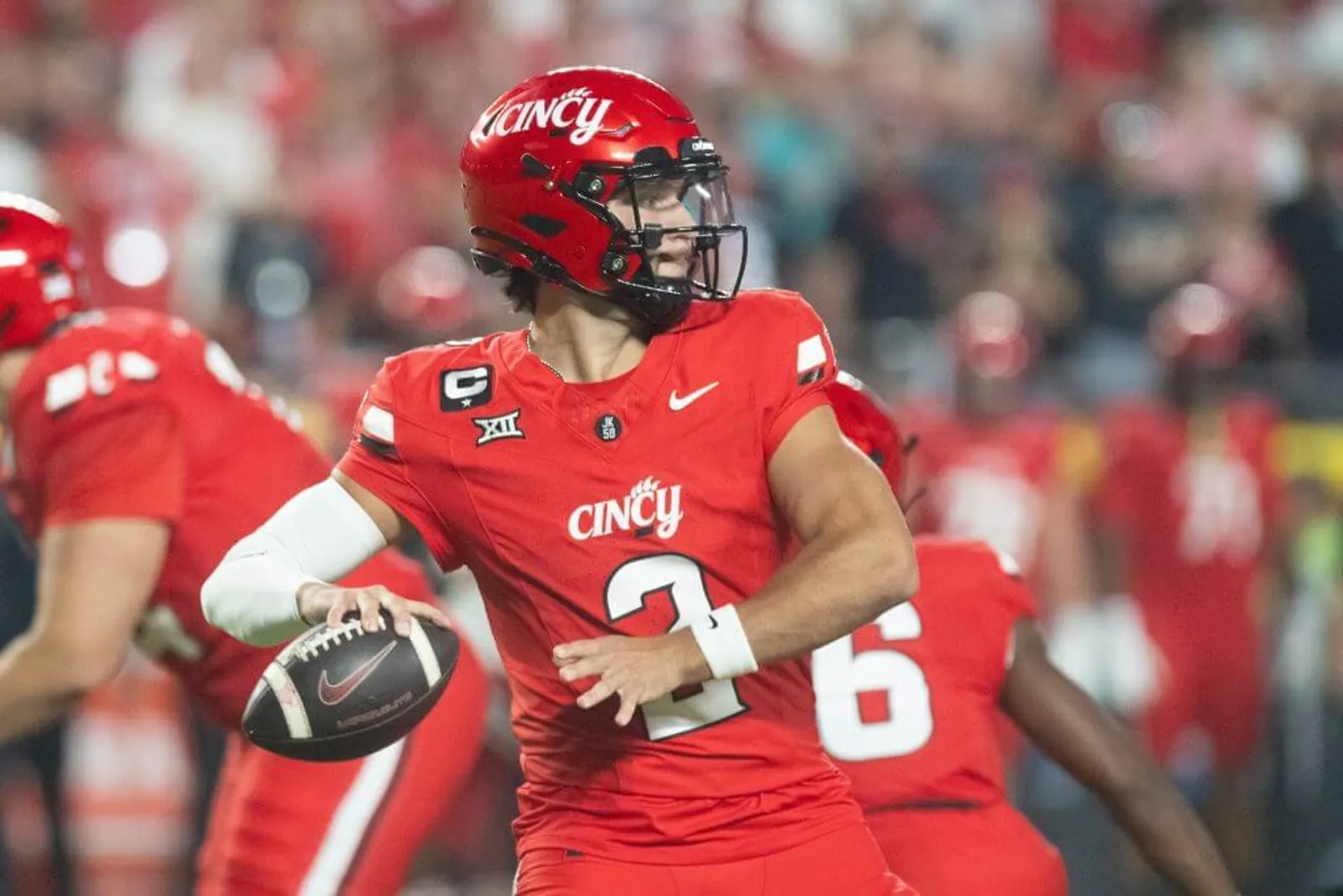
Implications for the League and Players
The NFL’s decision regarding Sorsby highlights the rapid changes in the gambling industry, college sports eligibility rules, and integrity issues. According to Matthew Wein, who runs the newsletter “Secure Stakes,” the rules and governance at the collegiate level have not kept pace with these changes, while the NFL has asserted its control over the situation.
Larry Ferezani, general counsel of the NFL’s Management Council, stated in a letter to Sorsby that his petition failed to demonstrate accountability and used litigation to avoid the consequences of a likely suspension. The league was reportedly uncomfortable with the ethical concerns presented by Sorsby’s application, given the limited time to investigate his gambling violations.
The league’s stance is seen by some as a warning to college players that the supplemental draft is not a means to avoid consequences for rule violations and loss of college eligibility. The agreement effectively imposes a de facto one-year suspension across all levels of football for Sorsby.
John Holden, an associate professor of business law and ethics at Indiana University, noted that professional sports leagues prefer to avoid involvement in college eligibility rulings. He suggested that Sorsby’s case presented an opportunity for the NFL to make a point without affecting a union member, as Sorsby was not yet part of the union.
The widespread legalization of mobile sports gambling has led to increased discipline for integrity concerns among players. In April 2024, the league reinstated five players who had served indefinite suspensions for gambling on the NFL. Other notable cases include Detroit Lions wide receiver Jameson Williams, who received a six-game ban for betting on other sports, and Calvin Ridley, who was suspended for a year in 2022 for placing bets on his former team, the Atlanta Falcons.
Wein believes Sorsby’s situation is unlikely to result in drastic rule changes but may prompt the NFL to consider how to address similar cases in the future, particularly when Sorsby or other athletes apply for the 2027 NFL Draft.
The NFL’s memo to teams on June 29 confirmed that Sorsby would not pursue legal action against the league and would be eligible for the 2027 draft.
Read Also
- East Rutherford: Mbappé's two goals lead France past Sweden in World Cup knockout
- Toronto Raptors reportedly nearing deal to acquire Kawhi Leonard from Clippers
- Cavaliers' Potential Interest in Jaylen Brown to Lure LeBron James
- Mexico City: Mexico advances to Round of 16 with 2-0 victory over Ecuador
Source: eu.usatoday.com
