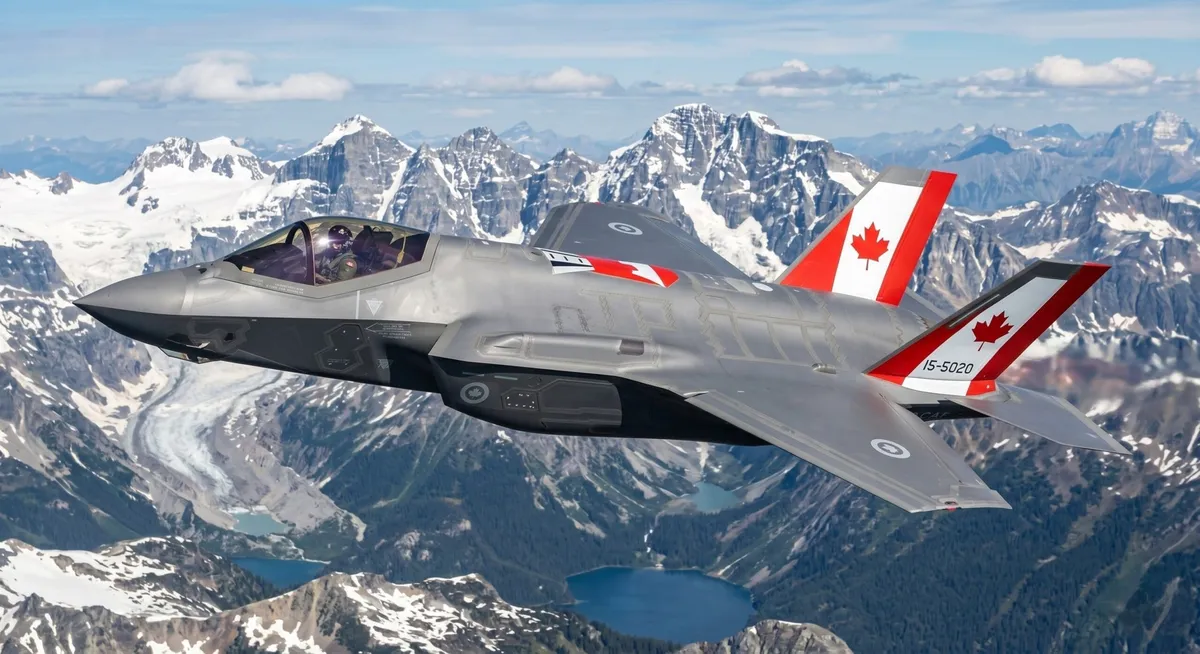
David McGuinty stated, “The review of the purchase of the F-35s is continuing… We are taking the necessary time to study very, very closely the question of the fighter fleet.” This statement underscores the uncertainty surrounding Canada’s plans for its military aircraft.
As of early Tuesday, Canada has not set a timeline for deciding on the acquisition of 88 F-35A fighter jets. The review process began in March 2025 and has already extended beyond its original September 2025 target completion date.
Currently, Canada has secured funding for the first 16 F-35s and made additional payments for future jets. More than 110 Canadian companies are involved in the F-35 program, securing over $3 billion CAD in contracts. This involvement aims to bolster domestic industry and support local jobs.
In contrast, Saab has proposed the Gripen C as an alternative to the F-35. The Gripen offer includes assembling the aircraft in Canada and transferring significant intellectual property. Saab promises to support 12,500 Canadian jobs with this initiative.
Germany and Finland have accelerated their F-35 procurements amid growing threats from Russia and China. This trend highlights concerns about Canada’s defense capabilities as it deliberates on its own military aircraft needs.
The ongoing review raises questions about how receptive Canada is to Saab’s Gripen pitch. Officials have not confirmed if they will consider this alternative seriously.
Maj. Gen. Chris McKenna emphasized that NORAD needs an aircraft that has overmatch over adversaries. This statement reflects the urgency for Canada to finalize its decisions regarding its fighter jet fleet.
