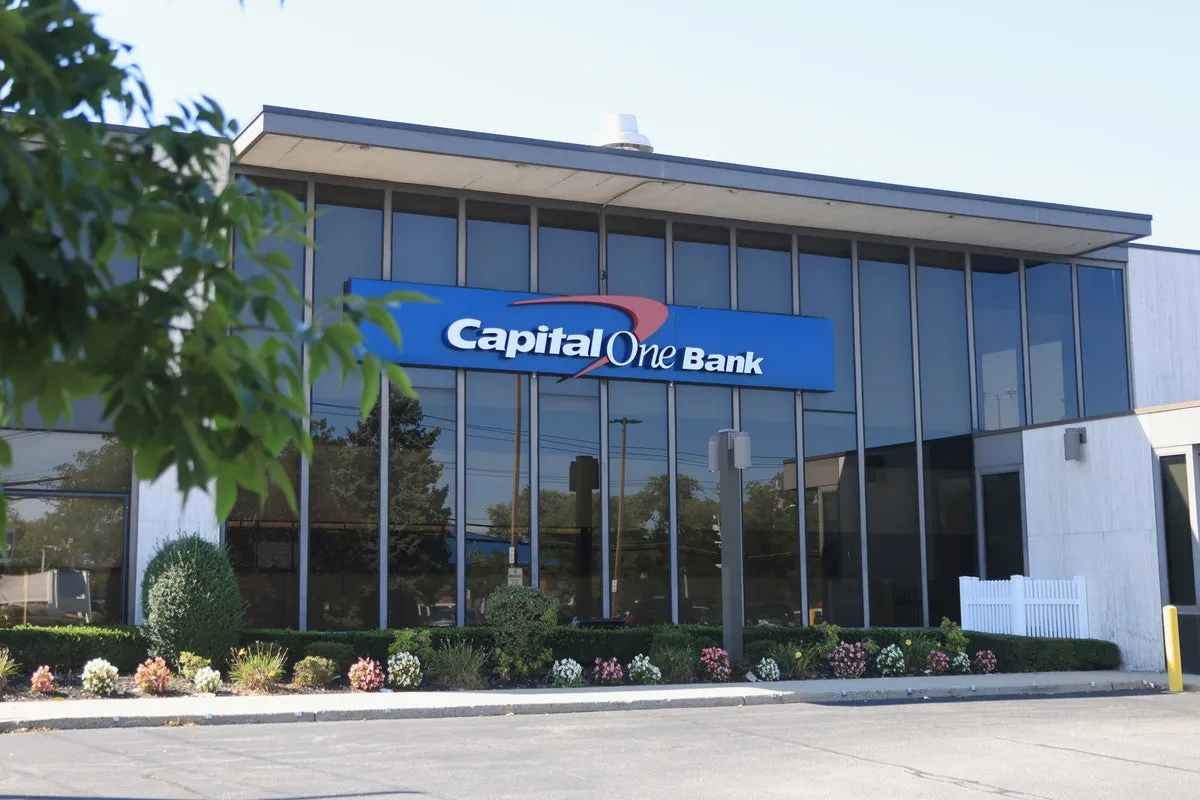
A federal judge granted final approval of a $425 million settlement in a lawsuit against Capital One. The case centered around allegations that the bank misled customers about its savings account offerings. Specifically, the lawsuit claimed that Capital One deceived holders of its 360 Savings account when it transitioned to the 360 Performance Savings account.
The 360 Performance Savings account, introduced in 2019, offered a higher interest rate than its predecessor. In 2019, the annual percentage yield (APY) for the 360 Savings account was just 1 percent, while the new account boasted an APY of 1.9 percent. According to court documents, many customers were left unaware of this change.
As of midday Tuesday, impacted Capital One customers are automatically eligible to receive payments from the settlement. Those who had a 360 Savings account between September 18, 2019, and June 16, 2025, will receive checks in the mail if their payment is worth $5 or more.
The initial settlement proposal was for less than $300 million, but it was rejected by federal prosecutors. They argued that the amount was insufficient given the scale of the alleged misconduct. Capital One has denied any wrongdoing throughout this process.
Wolf Popper LLP, representing affected customers, stated, “The lawsuit alleged that Capital One acted deceptively regarding the marketing and payment of interest on its 360 Savings account product.” They further emphasized that many customers were not informed about the substantial differences between the two accounts.
The approved settlement also mandates that Capital One must match interest rates on deposits for both savings accounts. Additionally, the bank is required to maintain and service both account types for at least two years following the settlement.
Observers note that millions of current and former Capital One customers are now in line for payouts after this significant ruling. Yet, details remain unconfirmed regarding how quickly checks will be distributed.
This development marks a pivotal moment for financial accountability in banking practices. Customers deserve transparency—especially when it comes to their money.
