As the government shutdown entered its third month, the Department of Homeland Security (DHS) took a decisive step on April 10 by recalling thousands of furloughed employees. This directive comes after a prolonged period of uncertainty that began on February 14, when the shutdown first took effect.
La’ Toya Prieur, DHS Chief Human Capital Officer, announced that all DHS employees are being returned to a work and paid status. This move affects over 35,000 employees across various agencies, including FEMA and CISA, who had been working without pay for weeks.
Despite the recall, the situation remains precarious. Employees are barred from overtime and must limit their work to excepted functions, as the DHS utilizes available funds to ensure that employees receive their paychecks. Prieur emphasized the importance of this recall, stating that it aims to stabilize core functions and improve disaster response readiness.
However, the recall raises significant legal and budgetary questions, particularly concerning the Antideficiency Act. The implications of this action are still unclear, as future checks for DHS employees depend entirely on lawmakers’ actions regarding funding.
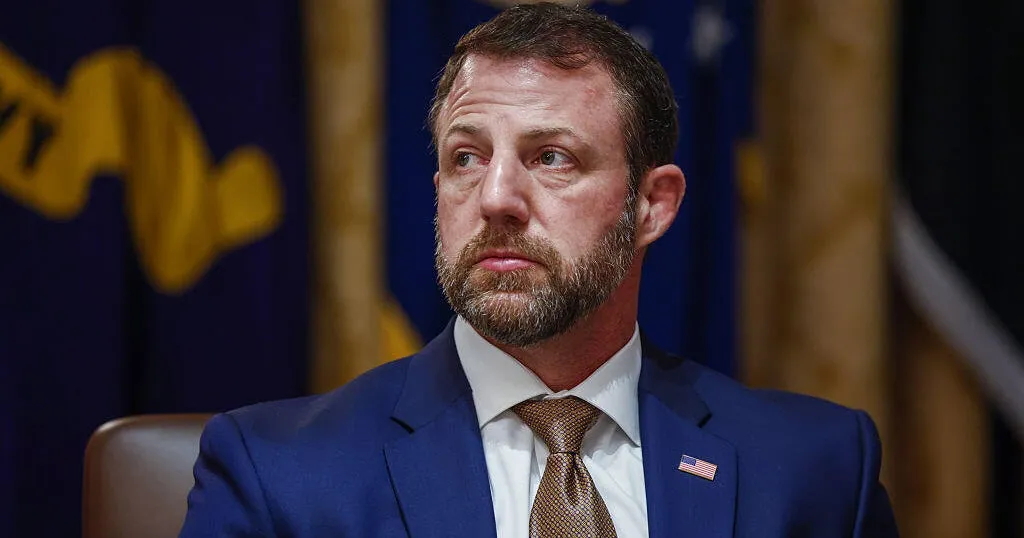
Markwayne Mullin, a key figure in the negotiations, indicated that “the majority of everybody will be paid by then,” referring to a potential reconciliation bill due by June 1. Yet, the timeline for a resolution on Capitol Hill remains uncertain.
Employees have been warned that failure to report for duty as directed may result in administrative or disciplinary action. This adds pressure on those recalled to comply with the directive amidst ongoing discussions about the funding crisis.
Historically, during lapses in federal funding, only excepted employees continue working, usually without pay. This recall marks a significant departure from that norm, as DHS seeks to ensure operational continuity.
As the situation develops, details remain unconfirmed regarding the long-term funding solutions for DHS. The recall is viewed as a stopgap measure rather than a comprehensive resolution to the ongoing funding dilemma.
