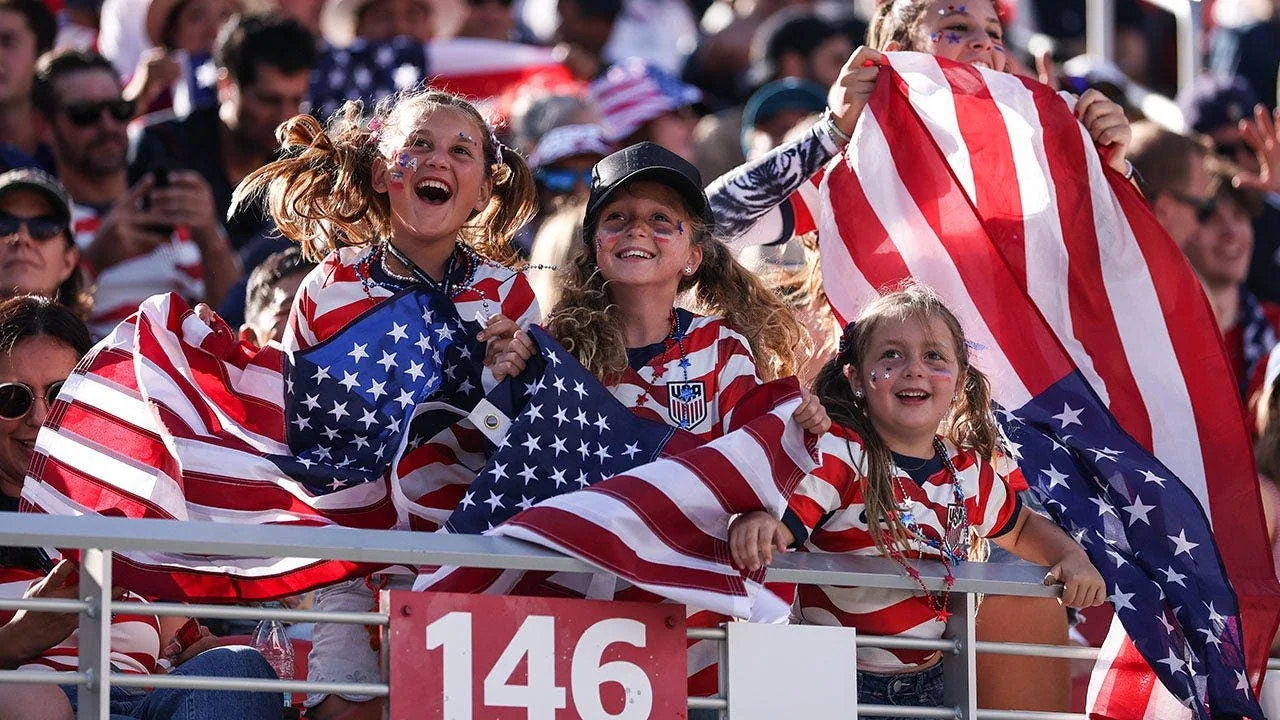
North America’s World Cup Experience
The recent World Cup, co-hosted across North America, was widely seen as a significant event, shifting perceptions and fostering connections among international visitors and Americans alike. Initial concerns about potential issues, including a lengthy US government shutdown impacting municipal preparations, a perceived toxic political environment deterring visitors, and reports of price gouging, had created apprehension for some enthusiasts.
However, from the opening match in Mexico City to the final whistle in the New Jersey Meadowlands, the tournament unfolded as a major celebration. The event fostered unexpected camaraderie, with instances such as South Koreans and Mexicans bonding, Scottish fans engaging with Boston, Norwegians exploring various surfaces, and large groups of Brazilians, Argentines, and Colombians taking over cities. Tourists also discovered American cultural elements like Buc-ee’s and Waffle House.
The tournament also saw moments where the US Men’s National Team inspired belief in their potential as contenders after two initial wins. Beyond the games, the event highlighted local communities, with Algeria’s team finding strong support in Lawrence, Kansas, and Atlanta’s fanfest becoming a popular attraction.
Politics and the Pitch
Despite the celebratory atmosphere, the World Cup’s 39-day duration was not entirely free from political undertones. The treatment of the Iranian team by FIFA and the US government drew criticism, as the team was forced to relocate its training base and faced restrictions on travel into and out of the US, limiting preparation and recovery time. Additionally, a referee was reportedly denied entry into the country due to his nationality, and other nations experienced visa difficulties.
An incident involving President Donald Trump’s reported intrusion into a situation concerning Folarin Balogun briefly raised questions about the tournament’s integrity. However, the focus quickly returned to the sport itself. A day after this event, Lionel Messi and Argentina staged a notable comeback, overcoming a 2-0 deficit against Egypt to secure a 3-2 victory, which was described as one of the tournament’s most incredible matches.
This match served as a reminder that the on-field action often overshadowed any attempts to politicize the tournament, allowing fans to concentrate on the competition.
Lasting Impressions and Community Spirit
The impact of the World Cup is expected to be analyzed for a long time, particularly regarding the economic benefits for host cities and the overall value of hosting such large-scale events. Beyond the quantifiable aspects, the tournament revealed a significant, less tangible effect: the hospitality and kindness of everyday Americans.
Many international visitors shared experiences that contradicted their preconceived notions of the US, often formed by media portrayals. For example, a German fan named Sebastian, initially apprehensive about visiting the US due to negative headlines, recounted how a local man named Bob helped him when he was stranded in Boston after a match. Sebastian’s account of this kindness, shared in a widely viewed video, highlighted a positive aspect of American interactions.
Social media platforms were filled with videos from visitors documenting their positive experiences, praising the hospitality, diversity, national parks, food, and culture. These interactions included dancing in the streets with strangers, singing together, and exploring landmarks like the Grand Canyon. The tournament provided a platform for people from diverse backgrounds to connect and celebrate, fostering a sense of unity.
For 39 days, the event allowed for a period of shared joy and connection, as people from various nationalities supported their teams and created lasting memories. With only the championship match remaining, social media has been flooded with videos from international visitors documenting what they’ve found here.
Read Also
Source: cnn.com
