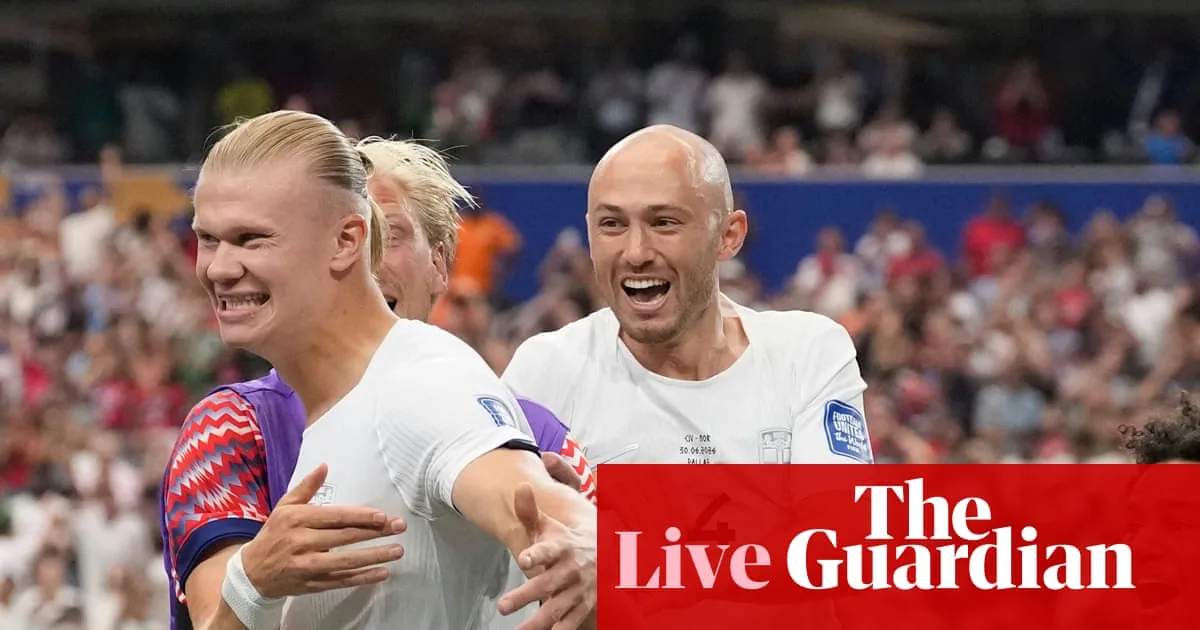
Norway secured a 2-1 victory over Ivory Coast in Dallas, advancing to the last 16 of the World Cup. The win sets up a match against Brazil at MetLife Stadium in New Jersey on July 5. The decisive goal came late in the game from Erling Haaland, who scored in the 86th minute.
The match saw Norway take the lead in the 39th minute through a goal from Antonio Nusa. The 21-year-old RB Leipzig winger dribbled into the box and curled a shot into the top corner. Ivory Coast, however, created several opportunities throughout the game, particularly in the first half.
Ivory Coast found an equalizer in the 74th minute when substitute Amad scored. His goal, following a one-two and a dribble, appeared to send the match towards extra time. However, Haaland intervened late, converting a pass from Patrick Berg to secure the win for Norway.
Haaland’s Impact and Norway’s Strategy
Erling Haaland, despite a relatively quiet game for much of the match, demonstrated his ability to score crucial goals. His late winner was his 60th international goal in 53 games, making him the fastest player to reach this milestone. He also became the first player to score in his first three appearances at a World Cup.
Observers noted that Norway played a conservative game, with Haaland’s efforts appearing somewhat reined in, possibly under instructions from manager Stale Solbakken. The striker often waited for the opportune moment to strike. Earlier in the game, passes intended for Haaland from players like Martin Odegaard, Marcus Holmgren Pedersen, and Andreas Schjelderup did not connect effectively.
The winning goal came after Oscar Bobb’s pass opened up the Ivory Coast defense, leading to Berg’s assist. While the finish was not described as Haaland’s most assured, its importance for Norway’s World Cup progression was significant.
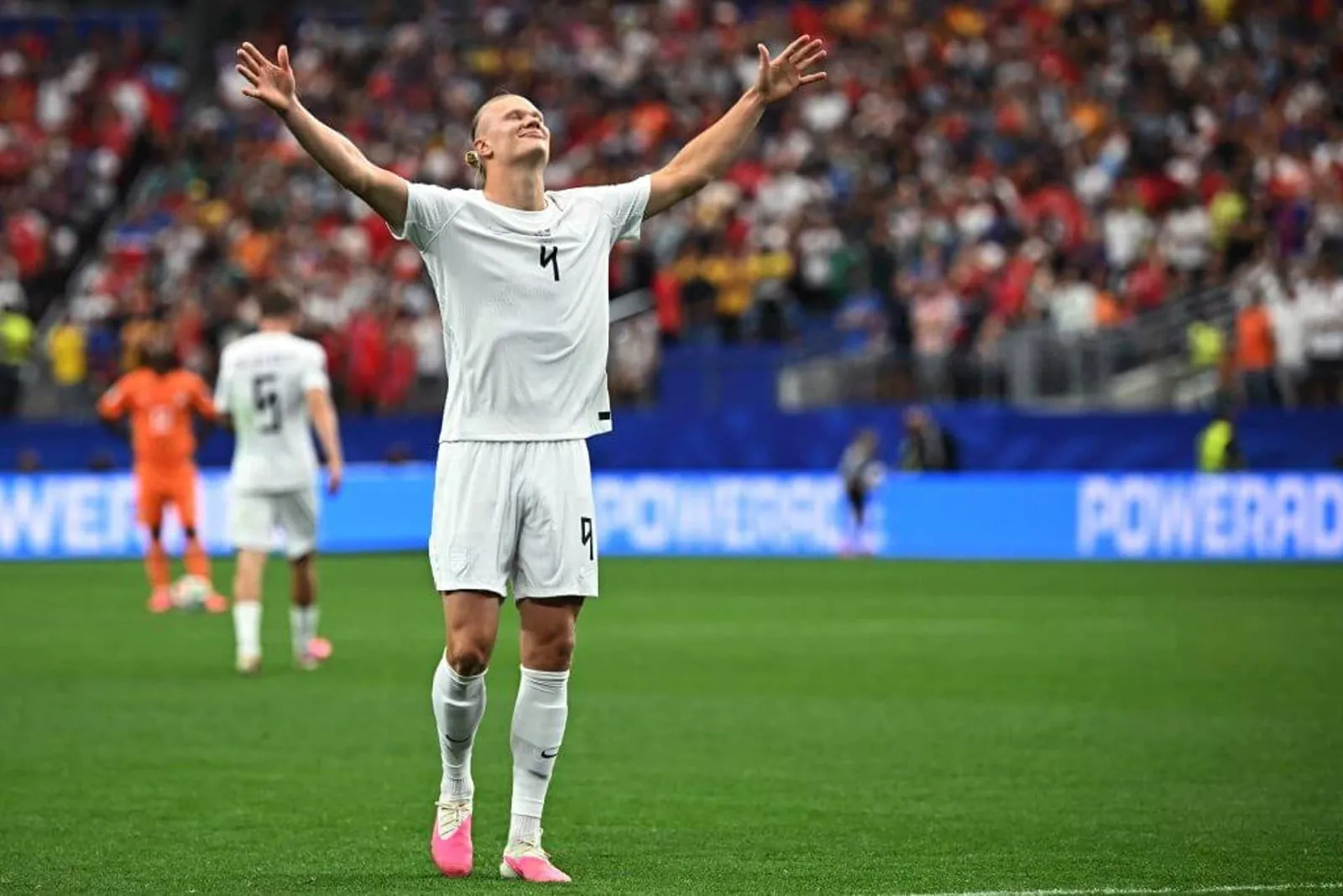
Norway’s team demonstrated that their threat extends beyond Haaland. Antonio Nusa’s goal highlighted the team’s diverse attacking capabilities. Nusa’s pace and skillful dribbling on the left wing complement the physical presence of Haaland and Alexander Sorloth in the forward line.
The impact of substitutes was also evident in the match. Amad’s equalizer for Ivory Coast came after his introduction, which saw a tactical shift from a 4-3-3 to a 4-2-3-1 formation. Similarly, Norway’s double change, bringing on Oscar Bobb and Andreas Schjelderup for Alexander Sorloth and Antonio Nusa, proved effective. Bobb was instrumental in setting up the winning goal for Haaland.
Looking Ahead to Brazil
Norway’s reward for their first win in the World Cup knockout stage is a challenging encounter with Brazil. Historically, Norway holds an unbeaten record against Brazil in men’s international football, with two wins and two draws in four matches, including a victory in the group stage of the 1998 World Cup.
The upcoming match is anticipated to feature a renewed rivalry between Haaland and Brazil’s Gabriel. The two players have had several clashes in the Premier League in recent seasons. One notable incident occurred in April, where Gabriel appeared to make contact with Haaland. Another instance in September 2024 saw Haaland throw the ball at Gabriel during a celebration.
While Brazil is expected to be the favorite, the match is not considered overwhelmingly one-sided. Both teams have shown moments of brilliance in tight games, and Norway’s goal-scoring threat in Haaland is a significant factor. The match against Brazil is scheduled for July 5.
Read Also
Source: nytimes.com
