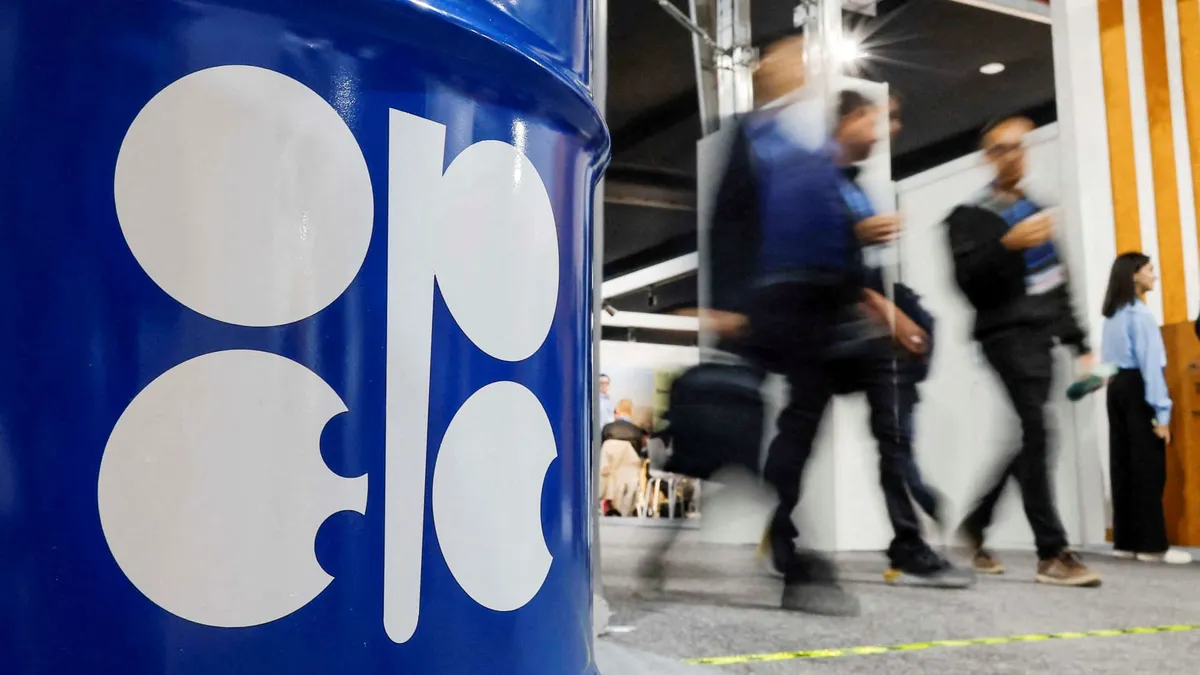
The United Arab Emirates is quitting OPEC, effective May 1, 2026. This marks a significant shift in the oil cartel’s dynamics and its capacity to influence global energy markets.
The UAE has been a member of OPEC since its establishment in 1971. Over nearly 60 years, it became one of the cartel’s key players.
As of early Tuesday, reports indicate that the UAE’s oil output ranks third within OPEC, following Saudi Arabia and Iraq. This departure allows the UAE greater flexibility to increase its oil production.
Officials have stated that the UAE’s decision stems from a ‘sovereign national decision’ focused on long-term economic priorities. However, no consultation occurred with other producers like Saudi Arabia before this announcement.
Analysts suggest that the UAE’s exit could weaken OPEC’s ability to control oil prices globally. Jorge Leon noted that this withdrawal signifies a major change for the organization.
UAE Energy Minister Suhail al-Mazrouei emphasized that being free from OPEC obligations will provide them with more operational flexibility.
This development comes at a time when global energy demand is fluctuating due to geopolitical tensions and economic shifts. The Strait of Hormuz remains a critical area for oil transport.
The impact of this decision on both OPEC and global energy markets will unfold over time as stakeholders adjust to these new dynamics.
