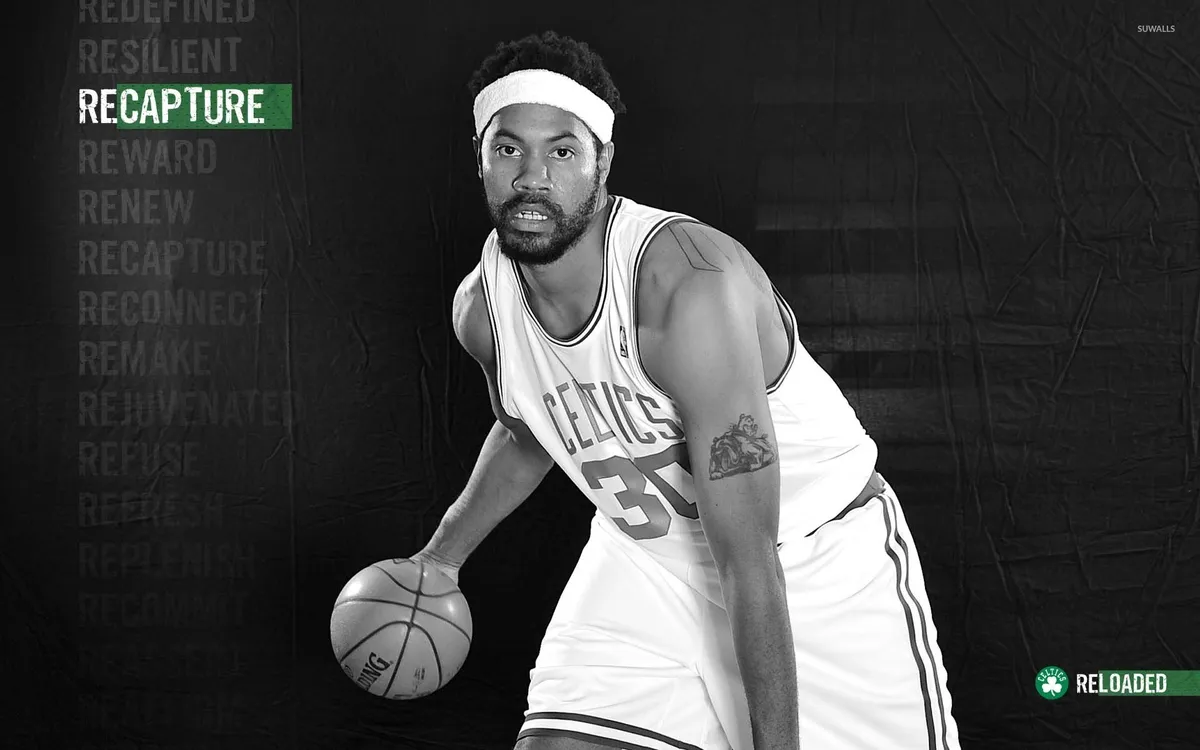
Before the release of Netflix’s Untold documentary, expectations surrounding Rasheed Wallace and the Portland Trail Blazers were largely shaped by the infamous reputation of the team during the early 2000s. Known as the “Jail Blazers,” this squad was characterized by its volatile mix of talent and controversy, with Wallace at the forefront. Fans and analysts alike had long debated the reasons behind the team’s failure to secure an NBA championship despite its star-studded lineup, which included notable players like Damon Stoudamire and Bonzi Wells.
However, the documentary directed by Sascha Gardner has shifted the narrative. It delves deep into the culture, race, and media narratives that defined the Jail Blazers, providing a fresh perspective on a team that was once viewed solely through the lens of its troubles. Wallace’s insights, particularly his candid reflections on being booed upon returning to Portland after his trade, highlight the complex relationship he had with the city and its fans. “When I went back to Portland after I was traded, I knew I was gonna get booed. I ain’t think I was gonna get booed like that,” Wallace stated, encapsulating the emotional weight of his departure and return.
The documentary not only chronicles the team’s struggles but also showcases the immense talent that was present. Wallace, a five-time NBA All-Star, played for the Blazers for ten seasons, contributing significantly to their competitive edge. His career statistics and achievements, including an estimated net worth of $100 million and a highest salary of $17 million in a single season, underscore the impact he had on the court. Yet, the film also addresses the darker aspects of the team’s legacy, illustrating how they became emblematic of a broader narrative about race and media portrayal in sports.
As the documentary unfolds, it reveals the direct effects on the parties involved, particularly the players who were part of that era. Wallace’s reflections on the team’s dynamics and the pressures they faced provide a nuanced understanding of their journey. The film asserts, “The documentary doesn’t erase controversy or excuse poor behavior, but it provides nuance missing from the ‘Jail Blazers’ brand narrative that persisted for decades.” This acknowledgment of complexity offers a more balanced view of a team that has often been oversimplified in public discourse.
Experts in sports history have noted that the Untold documentary serves as a critical examination of the cultural factors that shaped the Blazers’ identity. By exploring the intersection of race, media, and sports, it invites viewers to reconsider their perceptions of the team and its players. The documentary’s release comes at a time when discussions about representation and narrative in sports are more relevant than ever, making its insights particularly impactful.
In the aftermath of the documentary’s premiere, reactions from fans and former players have been mixed. While some celebrate the opportunity to see a more comprehensive portrayal of the Blazers, others remain skeptical about whether the film can truly change the long-standing perceptions of the team. As Wallace himself remarked, the documentary offers a chance to reflect on the past while acknowledging the mistakes made along the way. “I wake up to my wife hitting me, ‘What’d you do last night?'” he joked, highlighting the ongoing conversations about accountability and legacy.
As the narrative surrounding Rasheed Wallace and the Portland Trail Blazers continues to evolve, the documentary stands as a pivotal moment in reexamining a chapter of NBA history that has often been clouded by controversy. With its focus on the human stories behind the headlines, it challenges viewers to engage with the complexities of sports culture and the individuals who shape it. The impact of this documentary will likely resonate within the basketball community and beyond, prompting further dialogue about the lessons learned from the Jail Blazers era.
