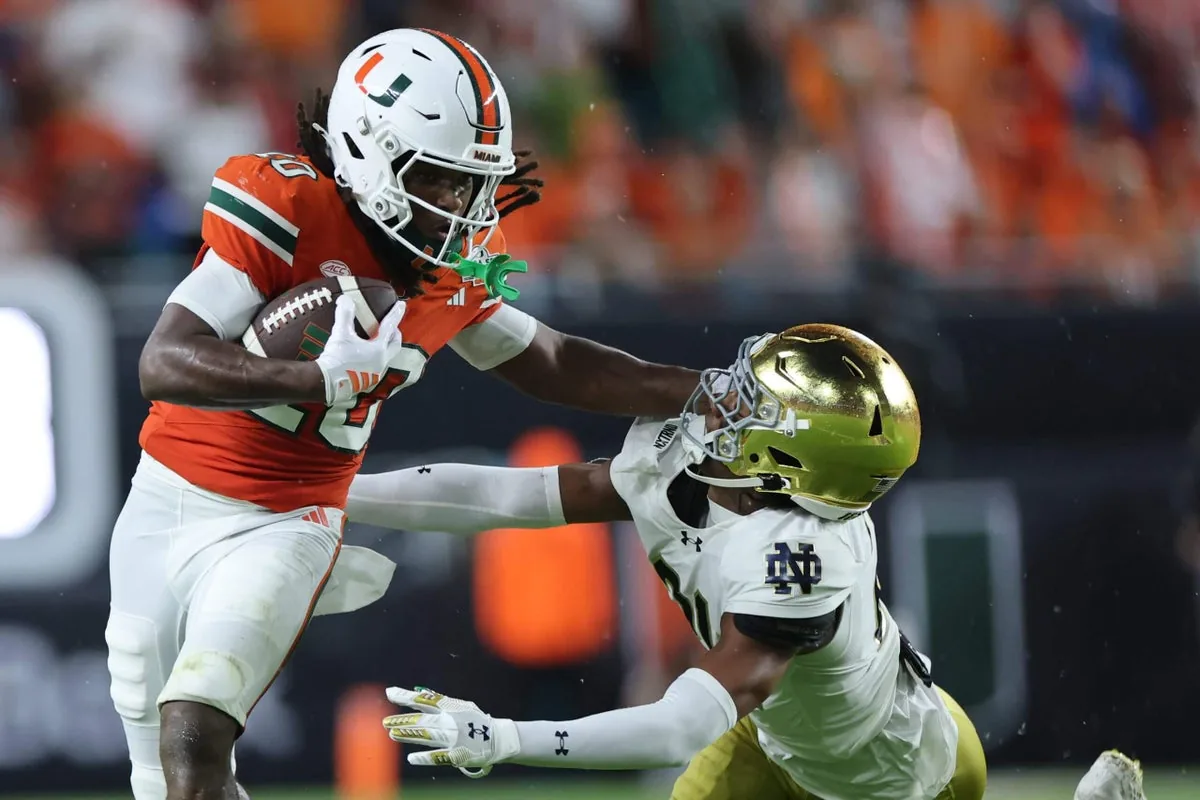
The Protect College Sports Act faced a late-night Senate session that concluded without a vote, pushing consideration of the bill to September. Despite a push from President Donald Trump and efforts by senators, the legislation did not secure enough support for a vote before the August recess.
Senators Ted Cruz (R-Texas), Maria Cantwell (D-Wash.), and Eric Schmitt (R-Mo) were among those working to advance the bill. They expressed disappointment that a unanimous consent agreement was not reached this week but confirmed a guaranteed vote in September. The senators indicated that the bill has significant momentum, with support from various conferences, Historically Black Colleges and Universities (HBCUs), and the Olympic sports committee.
Legislative Challenges and Amendments
The path to a vote was complicated by numerous amendments and objections. On Friday, several amendments were filed by senators aiming to enhance the bill. One notable amendment, introduced by Senator Ashley Moody (R-FL), addressed a provision that would require Power 4 teams to operate as independents for five years before joining a new conference. This specific clause has been a point of discussion among the ACC and Big 12 conferences.
Senator Moody’s amendment proposed a 180-day window for schools to opt out of their current conferences before the law takes effect, potentially allowing institutions like Florida State or Miami to avoid the five-year independent period. This provision could enable schools to transition to new conferences without penalty, an issue that has previously led to legal challenges, such as those initiated by Florida State and Clemson against the ACC in 2023 regarding their ‘Grant of Rights’ and television contracts.
The legislation also faced pushback regarding its implications for the NCAA and women’s sports. Senator John Kennedy (R-LA) voiced concerns about the bill potentially absolving the NCAA of liability. Additionally, concerns were raised by Riley Gaines and the National Black Caucus, with Gaines arguing that the bill, in its current form, has a ‘fatal flaw’ that could provide transgender athletes with legal grounds to challenge state eligibility rules. However, White House counsel released a letter stating the act would not preempt state laws prohibiting men from competing in women’s sports.
Impact on Conference Realignment
The latest version of the Protect College Sports Act includes provisions that would cap the number of member schools in the Big Ten, SEC, ACC, and Big 12 at 19 each. This represents a change from earlier iterations of the bill. The requirement for a Power 4 team to be an independent for five years before joining another Power 4 league has been described by some administrators as ‘conference purgatory’. However, Group of 6 teams would be able to move up freely.
The potential for conference realignment has led to speculation about which teams might join expanded leagues. For instance, the Big Ten, with one spot potentially available, might consider adding Notre Dame, given its academic and athletic profile and geographic proximity. Other schools like North Carolina, Virginia, Georgia Tech, Florida State, Clemson, and Miami have also been discussed as potential candidates for the Big Ten or SEC, based on factors such as academic prestige, athletic performance, and media market value.
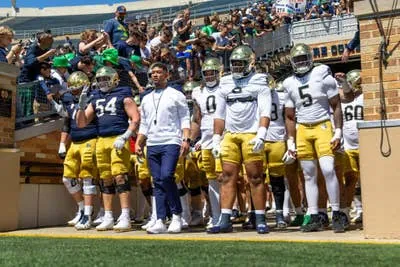
The SEC could have three spots open, with North Carolina, Virginia, Florida State, Clemson, and Miami being considered. The ACC, potentially with two to five spots available depending on departures, might look at schools like UConn, Tulane, South Florida, Memphis, or even Army and Navy, prioritizing academic value and broad athletic success. The ongoing issues and proposed amendments mean that the legislative process will continue into September and potentially beyond, coinciding with the college football season.
Source: foxnews.com
