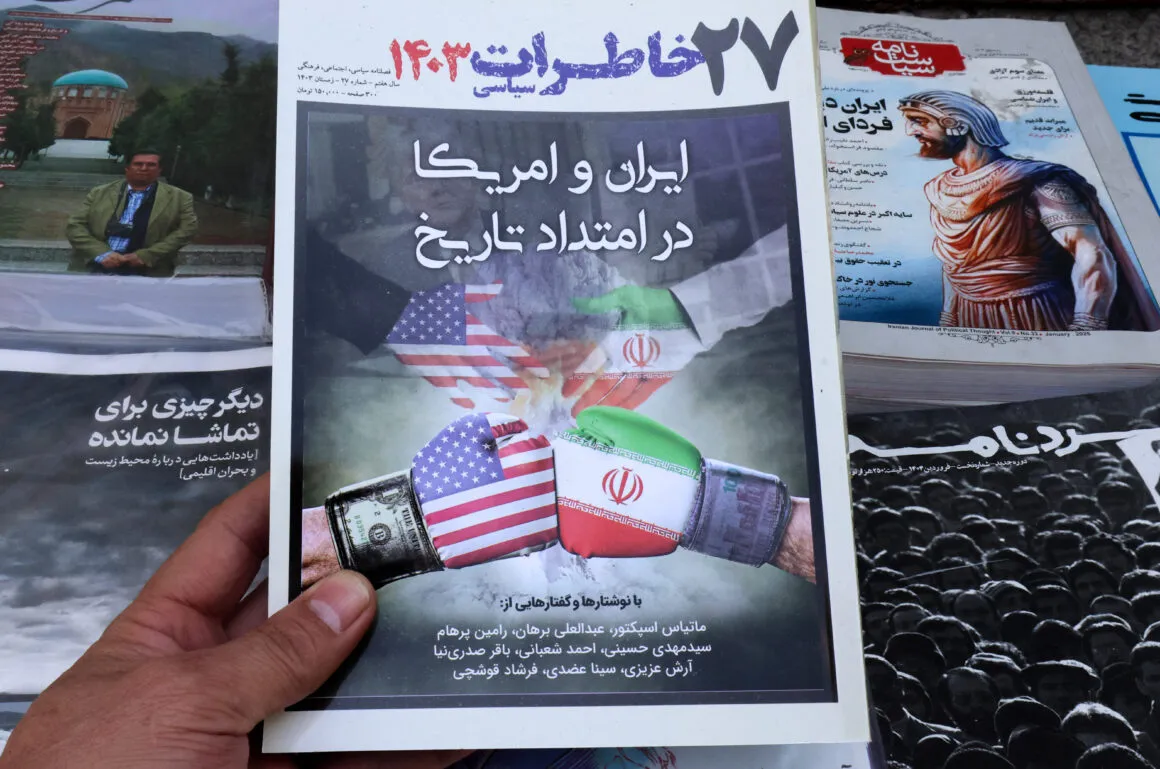
The US-Iran war, which began on February 28, 2026, has led to a standoff with no resolution in sight. As oil prices surge—Brent crude hit $126 a barrel—China is closely monitoring the situation. This analysis aims to assess America’s military capabilities, potentially affecting China’s approach to Taiwan.
Despite ideological differences, China maintains a friendly relationship with Iran. The ongoing conflict has severely impacted the Iranian economy. President Trump emphasized that the US naval blockade of Iranian ports will persist. He stated, “Their economy is crashing; the blockade is incredible.”
As of midday, Trump has indicated that he wants to end the Iran war but not under Tehran’s proposed terms. An administration official noted that for War Powers Resolution purposes, the hostilities that began on February 28 have terminated.
Key developments include:
- Trump’s commitment to continue the naval blockade against Iran.
- A ceasefire was agreed upon on April 7, 2026.
- The US faces a 60-day deadline under the War Powers Resolution regarding military action in Iran.
China’s strategic observation is crucial. Experts like James Palmer have stated, “China’s watching this war very closely.” The implications of this conflict extend beyond the Middle East and into Asia, particularly concerning stability in the Taiwan Strait.
