The Supreme Court has ruled that Louisiana can enact a new congressional map, significantly narrowing the protections of the Voting Rights Act. This decision allows states to draw electoral maps that may be racially discriminatory with little oversight.
On April 29, 2026, the court delivered a 6-3 ruling in the case of Louisiana v. Callais. Justice Samuel Alito stated that while the court was not entirely striking down Section 2 of the Voting Rights Act, it requires proof of intentional discrimination.
Justice Elena Kagan dissented, arguing that this ruling eviscerates protections established in the Voting Rights Act. She emphasized that it effectively invalidates Section 2 as understood for four decades.
The ruling follows four years of litigation regarding Louisiana’s congressional map. The Supreme Court’s decision allows for the dismantling of majority-Black districts currently held by Democrats.
Key implications:
- The ruling could lead to a redistricting wave benefiting Republicans.
- It may allow states to redraw district lines undermining minority voting power.
- Section 2 has long been a crucial defense against discriminatory voting systems.
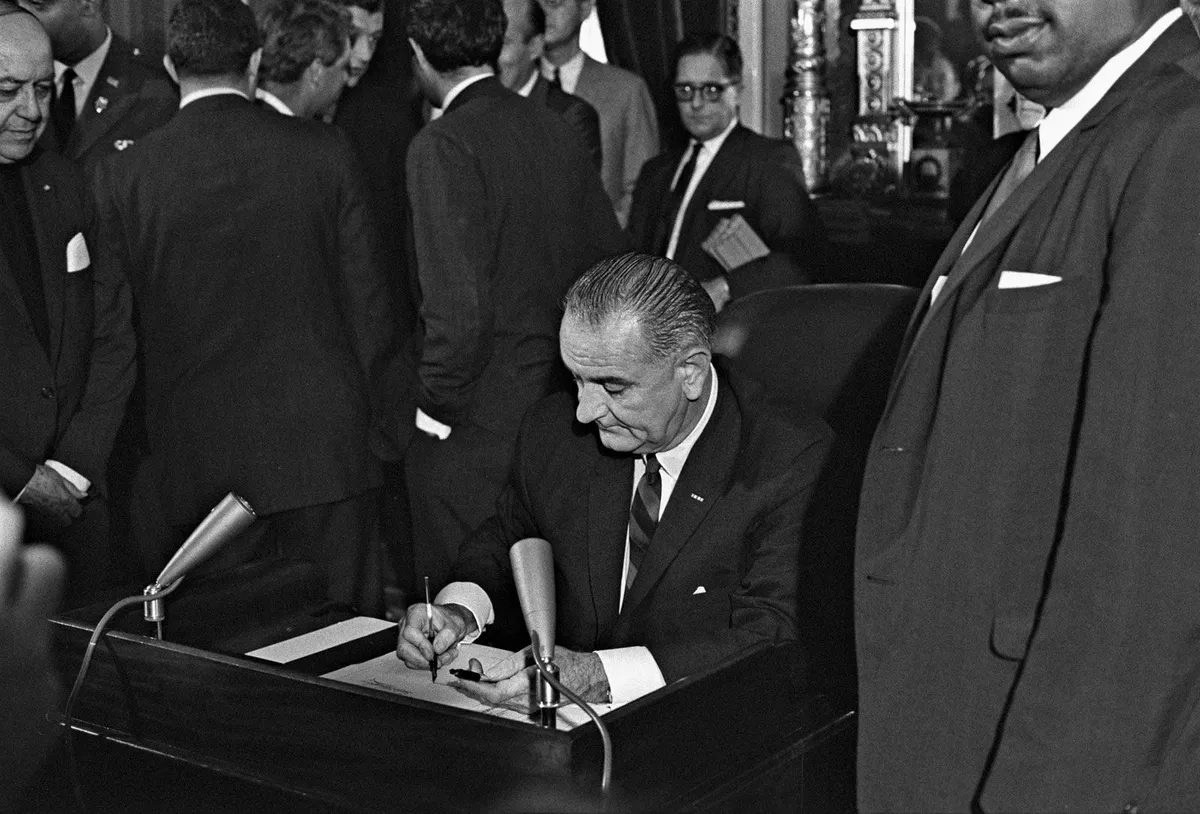
This judgement recalls historical struggles for civil rights—the Voting Rights Act was enacted after brutal events in Selma, Alabama. The court’s decision mirrors its earlier ruling in Shelby County v. Holder, which eliminated preclearance requirements.
Derrick Johnson from the NAACP called it “a devastating blow” to voting rights, suggesting it grants politicians a license to manipulate electoral systems. Legal experts warn that this shift could reshape American politics dramatically.
