Post-Match Reflections and Tactical Debates
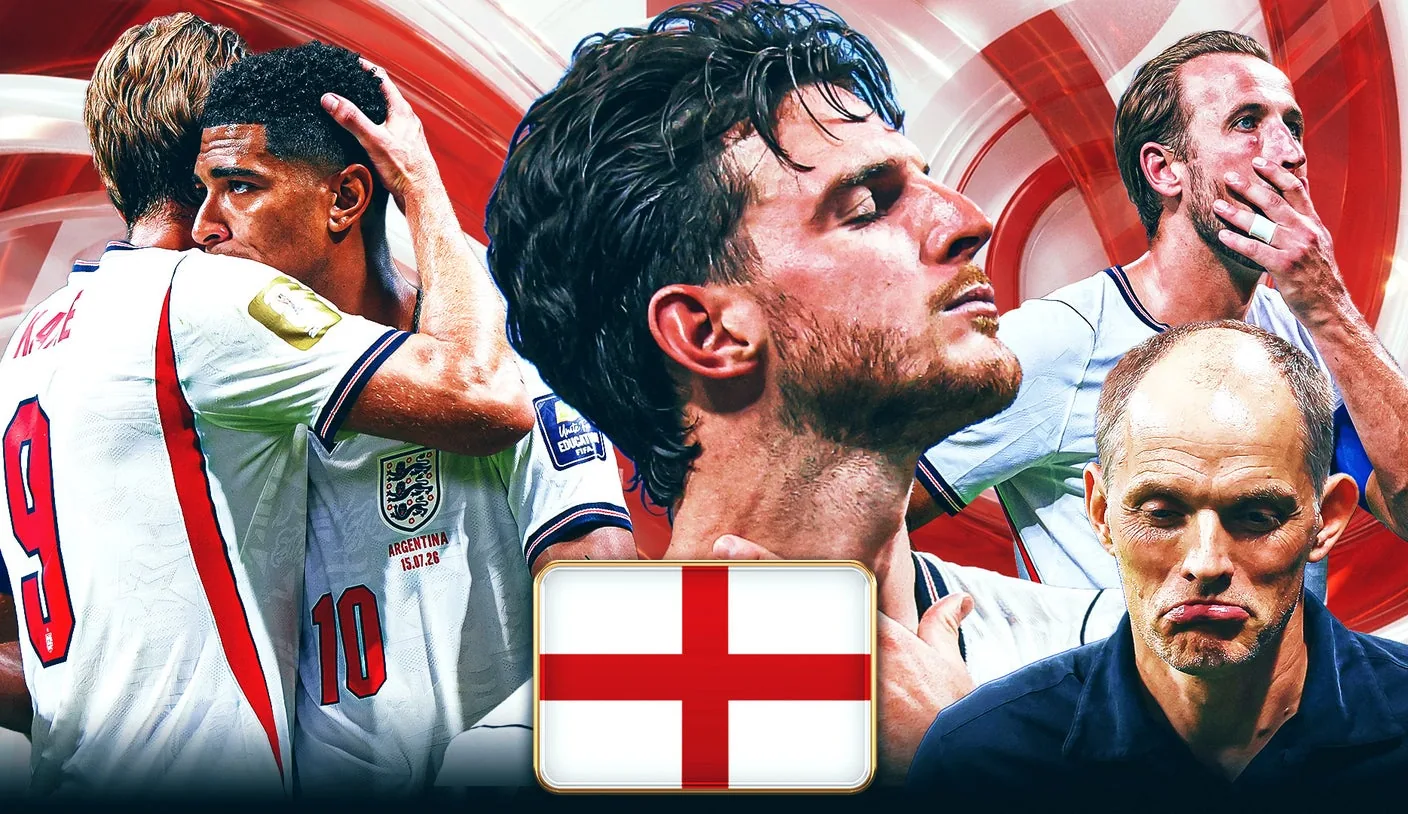
Following England‘s recent World Cup semifinal defeat against Argentina, discussions have emerged regarding the team’s performance and tactical approach. The loss has led to scrutiny of decisions made during the match, particularly after Anthony Gordon scored.
The match saw England under pressure from Argentina, with moments including corners, crosses, and a save by Jordan Pickford from a Nicolás González header. Despite these moments, some argue that the pressure was not extraordinary. An early opportunity for England arose when Lisandro Martínez miscontrolled the ball, allowing Morgan Rogers to gain possession, though Harry Kane could not control the subsequent pass.
By the 61st minute, England had pushed Argentina back into their own third. In the minutes that followed, both Kane and Declan Rice attempted long-range shots. The period between the second hydration break and Argentina‘s second goal saw England with limited possession and few completed passes.
Tuchel’s Strategy Under Scrutiny
Thomas Tuchel‘s coaching decisions during the semifinal have drawn considerable attention. After the match, Tuchel stated that “Ball possession is not in our DNA like it is in the Spanish DNA or the Argentinian or Brazilian DNA.” This comment has been met with differing views, with some suggesting it is at best arguable and at worst a misrepresentation of the current English players’ capabilities.
Players like Rice, Bukayo Saka, Kobbie Mainoo, Elliot Anderson, Eberechi Eze, Reece James, and John Stones are known for their ball-retention skills at club level. Reports from the England camp suggest that players were dissatisfied with Tuchel‘s cautious approach, which they felt limited their attacking options.
Some observers question whether Tuchel maintained the belief in the team’s attacking potential that he displayed earlier in the tournament. During the opening game against Croatia, Tuchel reportedly encouraged his players to “If we lose, we lose in our way,” a philosophy that led to some of England‘s most dynamic football in a major tournament.
The decision to keep Kane on the field, despite appearing fatigued, has also been debated. Alternatives such as bringing on Ollie Watkins to lead the press or Bukayo Saka for his defensive skills and ability to dribble out of pressure were suggested as potentially more optimistic and effective responses. Other players like Kobbie Mainoo, Eberechi Eze, and Noni Madueke remained unused on the bench, while Cole Palmer, Phil Foden, Trent Alexander-Arnold, Adam Wharton, and Morgan Gibbs-White were not part of the squad.
England’s Performance and Future Outlook
The outcome has led to a broader discussion about England‘s consistent performance in major international tournaments. Despite having players like Jude Bellingham and Harry Kane, who are considered top-tier talents, the team’s overall standing is compared to elite national teams such as France, Spain, and Argentina.
Argentina, led by Lionel Messi, will face Spain in the World Cup final. The match between Spain and France in the other semifinal saw Spain maintain possession for the majority of the game after taking the lead. In contrast, England had 36 percent possession against Argentina in a match that was level for over an hour.
Kane indicated that the team’s message after taking the lead was to continue pushing for another goal, but they struggled to maintain possession. Tuchel highlighted the cultural difference in ball possession, noting its crucial role in South American teams, where it is taught from a young age. He emphasized the need for courage and precise decision-making to dispossess such teams under pressure.
Some argue that England‘s football culture, while strong in physicality, still lags behind in technical ball skills compared to the game’s true elites. This perspective suggests that until this aspect of the game is addressed, winning major international trophies will remain a challenge. England will play France in the bronze-medal match.
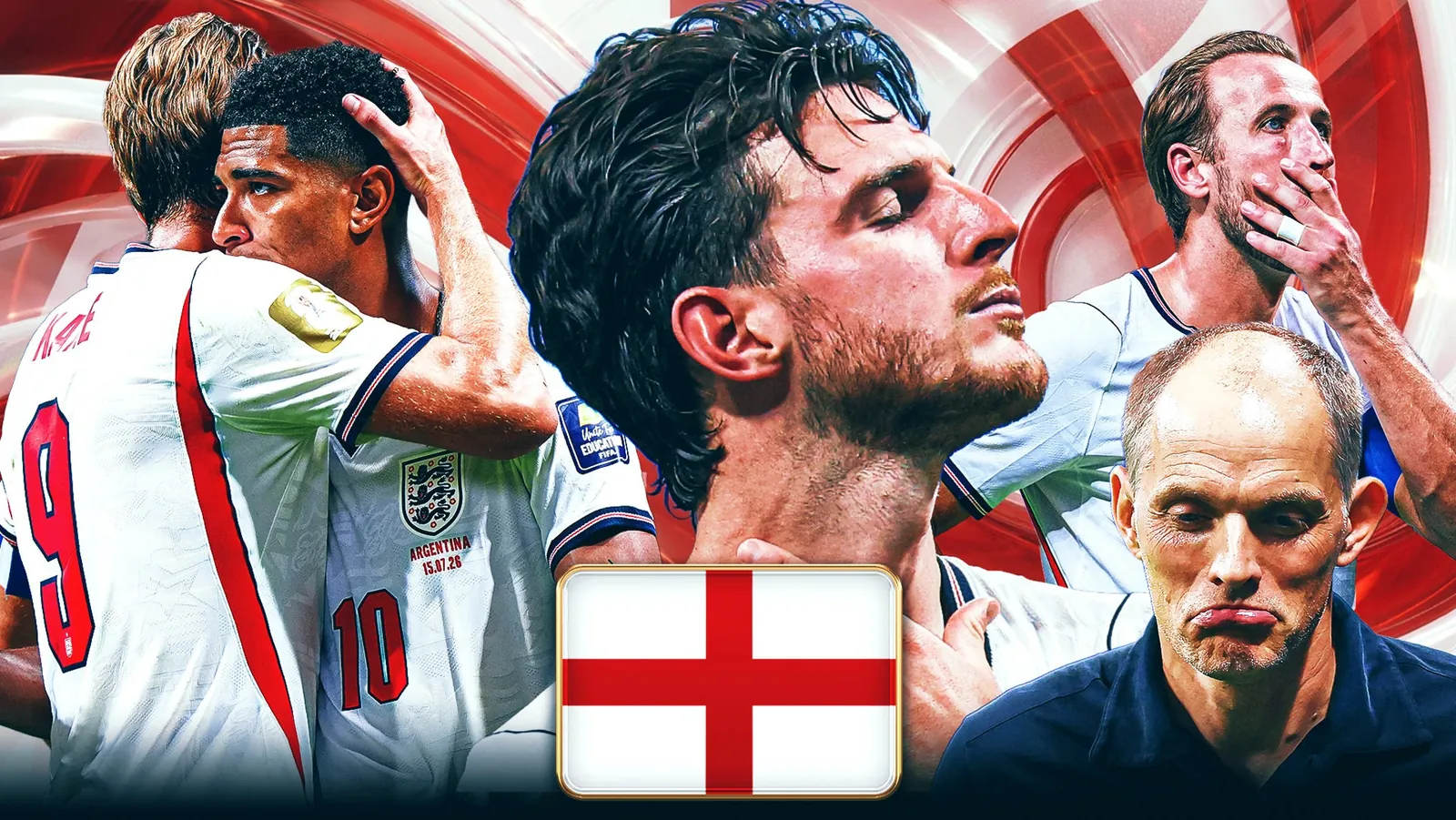
The debate extends to whether changing the coach at this juncture is a rational decision or an emotional one, especially given the existence of a lucrative contract. However, for a coach hired to navigate critical moments, the semifinal result is seen by some as a significant misstep. The discussion also touches on the perceived lack of ambition and a tendency to undervalue the potential of English football talent.
The semifinal defeat has intensified the conversation around England‘s football identity and the path forward for the national team.
Read Also
Source: theguardian.com
