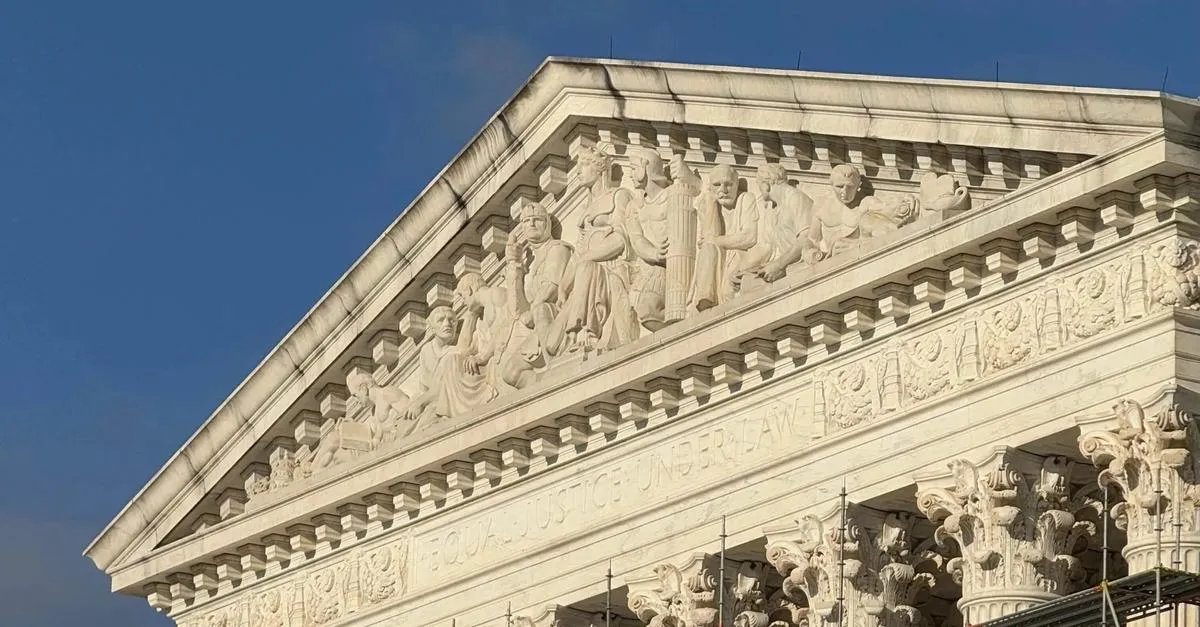
The U.S. Supreme Court ruled on April 29, 2026, in the case of Louisiana v. Callais, significantly weakening the Voting Rights Act.
This decision allows states to implement discriminatory voting maps and laws. It struck down a congressional map that enabled Black voters in Louisiana to elect candidates of their choice.
As a result, the ruling raises new evidentiary hurdles for voters challenging racially discriminatory maps. Experts warn this could lead to the elimination of majority-minority districts across southern states.
Key facts:
- The Supreme Court issued a 6-3 decision.
- The ruling allows for more gerrymandering and racial discrimination in voting.
- This decision could potentially oust up to 12 Democrats due to redistricting changes.
Justice Elena Kagan emphasized that the Voting Rights Act brought the nation closer to fulfilling ideals of democracy and racial equality. However, Chris Kieser argues that majority-minority districts conflict with democratic principles.
This ruling marks a significant setback for protections against racial discrimination in voting, which have been upheld by the Voting Rights Act for over six decades.
Looking ahead:
Congress may enact new protections against racial and partisan discrimination in redistricting. and States could create their own voting rights protections to combat these changes.
The implications of this ruling are profound and may reshape the political landscape, particularly for Black voters and their representation in Congress.
